Laugh Now: Banksy’s Most Enduring Alter Ego
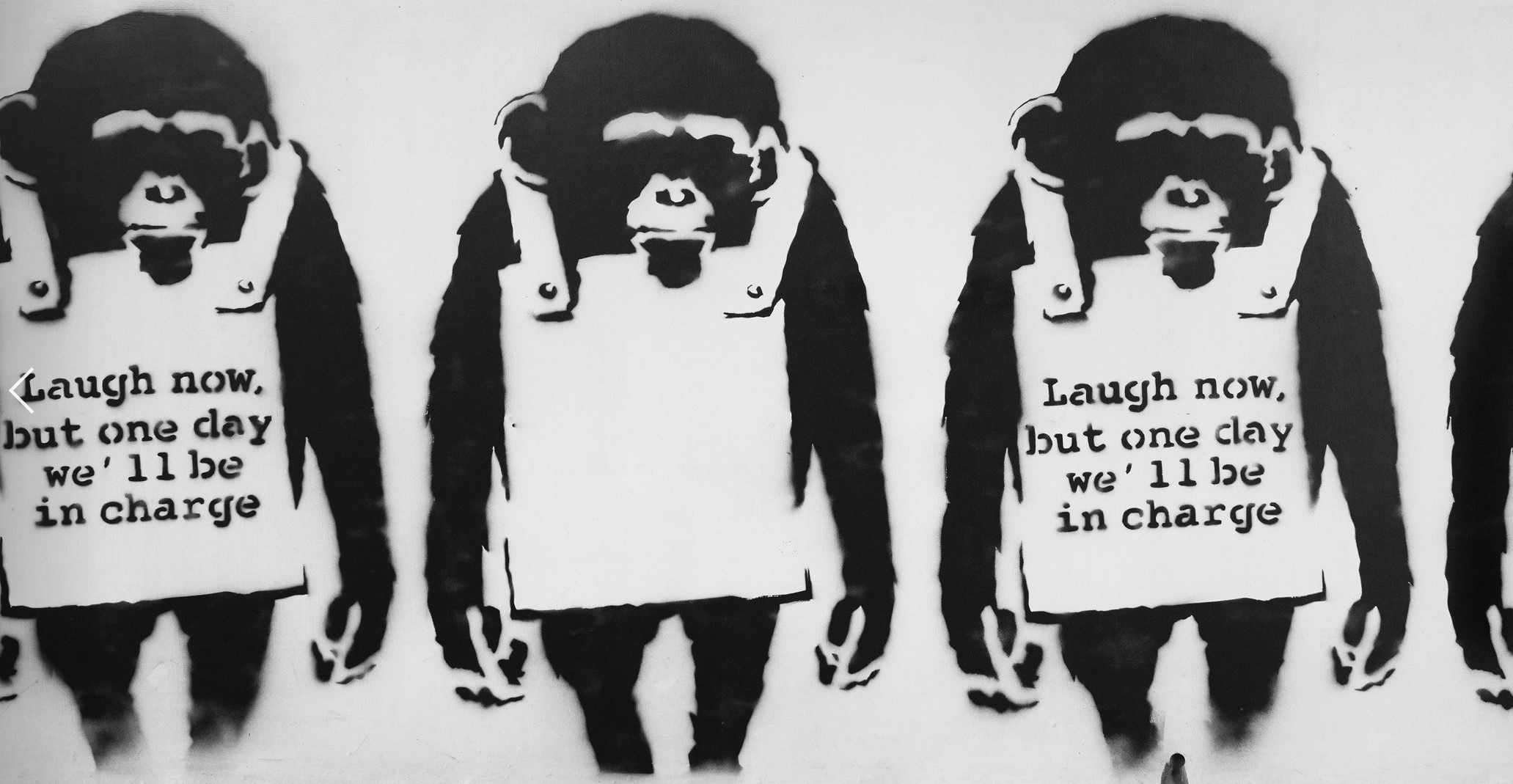
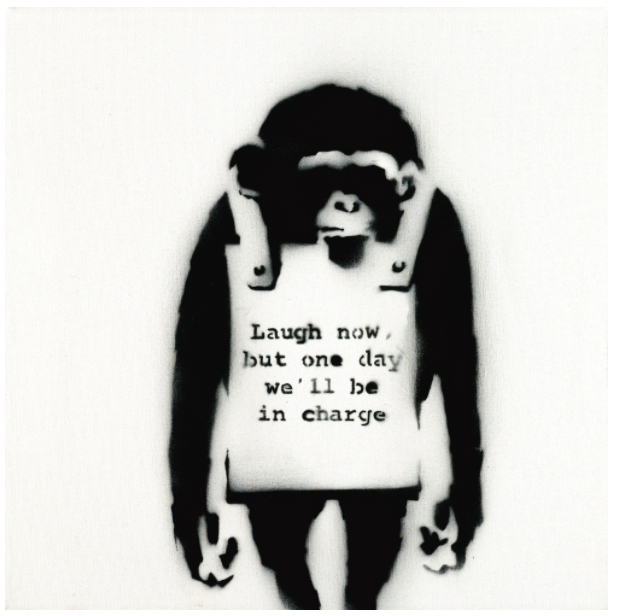
Among the many images that define Banksy’s visual universe, none has achieved the universal recognition of Laugh Now. First appearing in 2002 as a commission for the Ocean Rooms nightclub in Brighton, the melancholy chimpanzee carrying the now-famous placard reading “Laugh now, but one day we’ll be in charge” rapidly evolved from a single mural into one of the most important and enduring motifs of the artist’s career. Over the following years, Banksy would revisit the composition repeatedly, producing a remarkable series of original paintings on canvas, plywood, cardboard, steel and other unconventional supports, each offering subtle variations while preserving the extraordinary simplicity of the original idea.
At first glance, the image appears almost disarmingly straightforward. A solitary monkey stands quietly before us, shoulders slightly bowed beneath the weight of a crude sandwich board. There is no dramatic action, no elaborate setting and almost no colour. Yet this radical economy is precisely what gives the work its extraordinary force. Banksy reduces the composition to its absolute essentials, allowing the relationship between image and text to carry the entire narrative. Few works in contemporary art communicate so much with so little.
The genius of Laugh Now lies in its ambiguity. Is the monkey a victim or a revolutionary? A clown or a prophet? A stand-in for the working class, for graffiti artists, for humanity itself, or perhaps even for Banksy? More than two decades after its creation, the image continues to resist any definitive interpretation. Instead, it invites each generation to project its own anxieties onto the silent figure, ensuring its relevance long after many more overtly political works have faded into history.
This remarkable openness explains why Laugh Now occupies such a central place within Banksy’s oeuvre. More than a successful stencil or a memorable slogan, it represents the birth of one of contemporary art’s most compelling allegories—an image capable of addressing questions of power, authority, exclusion and social change with extraordinary clarity and surprising emotional depth. Like all great works of art, its apparent simplicity conceals an inexhaustible richness of meaning.
The following pages trace the evolution of Laugh Now from its origins as a mural in Brighton to the extraordinary series of original paintings that followed. Through their varying supports, scales and compositions, these works reveal not only the development of one of Banksy’s greatest artistic inventions but also the transformation of street art itself from an ephemeral act of rebellion into one of the defining artistic movements of the twenty-first century.
The Birth of an Icon (2002)
Like many of Banksy’s most celebrated images, Laugh Now was born not within the walls of a gallery but on the streets. In 2002, the artist received a commission from the Ocean Rooms, a popular nightclub in Brighton, to decorate the venue with a series of murals. Among the various stencilled monkeys that adorned the walls, one image immediately stood apart. It depicted a solitary chimpanzee carrying a simple placard bearing a message that was at once humorous, unsettling and strangely prophetic: “Laugh now, but one day we’ll be in charge.”

At the time, neither Banksy nor street art enjoyed the cultural legitimacy they would later achieve. Graffiti remained largely dismissed as vandalism, and anonymous stencil artists operated on the fringes of the established art world. Against this backdrop, the monkey’s message acquired a quietly autobiographical dimension. Like its creator, the animal occupied society’s margins, underestimated and ridiculed, yet quietly suggesting that history had not yet reached its conclusion.
The commission itself proved remarkably significant. Although conceived for a commercial interior rather than a public wall, the Ocean Rooms murals retained all the characteristics of Banksy’s street practice: rapid execution, bold stencilling, minimal colour and an immediate visual impact designed to communicate with viewers in an instant. The nightclub became an unlikely laboratory in which one of Banksy’s most enduring artistic inventions first emerged.
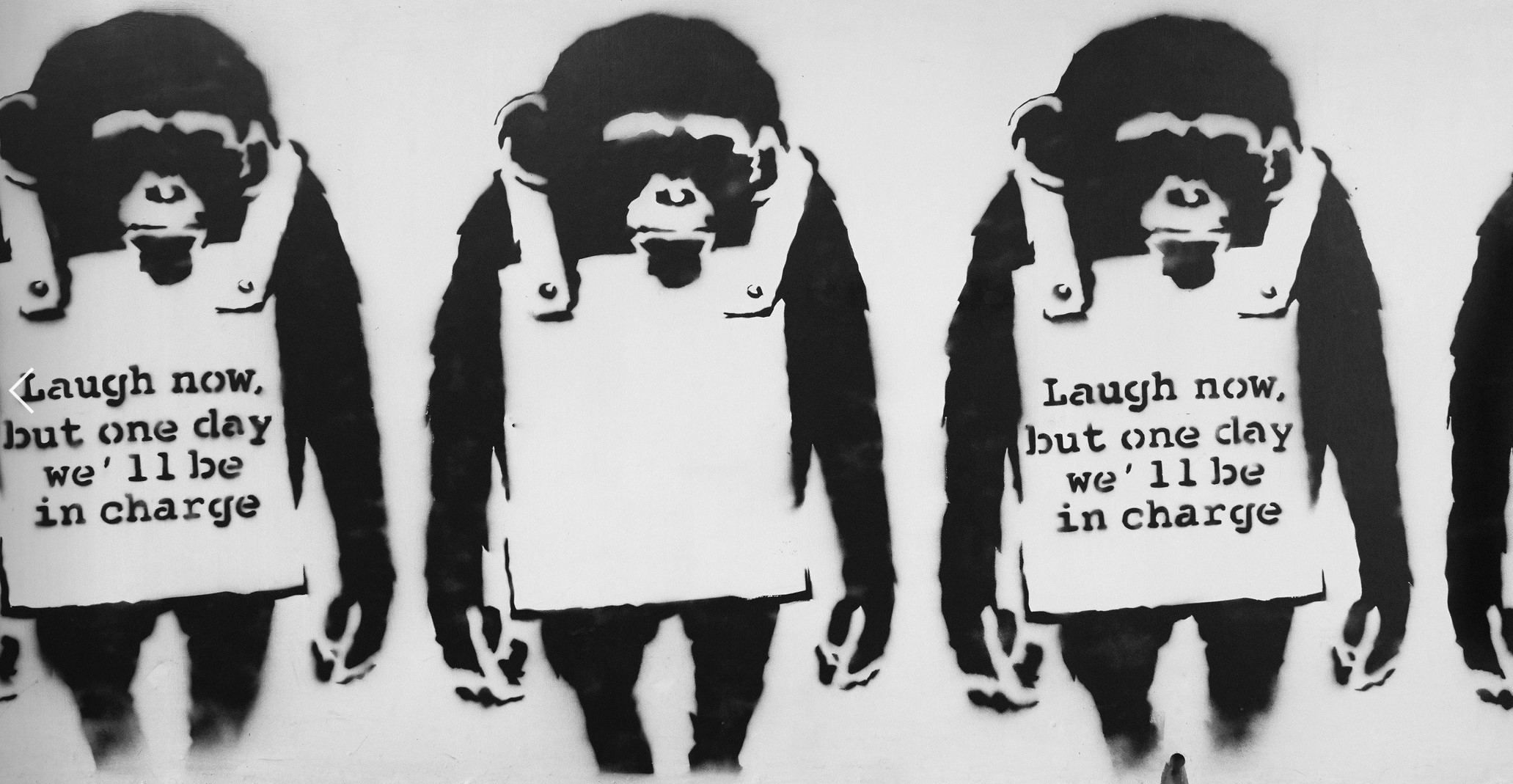
Photographs of the original installation reveal a composition remarkably close to the versions that would follow. The monkey’s slightly stooped posture, the oversized feet, the blank expression and the crudely painted placard were already fully formed. Unlike many artists who spend years refining an idea through successive revisions, Banksy seemed to arrive almost immediately at the image’s definitive form. Subsequent paintings would vary in scale, support and execution, but the essential architecture of the composition remained astonishingly consistent.
Few could have predicted that this modest nightclub mural would become one of the defining images of contemporary art. Today, the original Ocean Rooms commission is regarded as a landmark in Banksy’s career, marking the moment when a single stencil transcended its immediate context to become an enduring cultural symbol.
“Laugh Now, But One Day We’ll Be in Charge”
If the monkey captures our attention, it is the sentence that transforms the image into something unforgettable.
At first reading, the slogan appears almost playful. It carries the rhythm of a joke, inviting the viewer to smile at the absurdity of a chimpanzee calmly predicting its future domination over humanity. Yet the humor quickly gives way to something more ambiguous. The sentence is not merely comic; it is quietly threatening, deeply ironic and surprisingly philosophical. Like the finest aphorisms, its meaning expands the longer one contemplates it.
The phrase is built upon a simple reversal of power. The monkey occupies the lowest position within the social hierarchy. It is laughed at precisely because it appears powerless. Yet the placard suggests that today’s hierarchy is neither natural nor permanent. Those who are mocked today may become tomorrow’s rulers. History, Banksy reminds us, is a succession of reversals. Every established order eventually gives way to another.
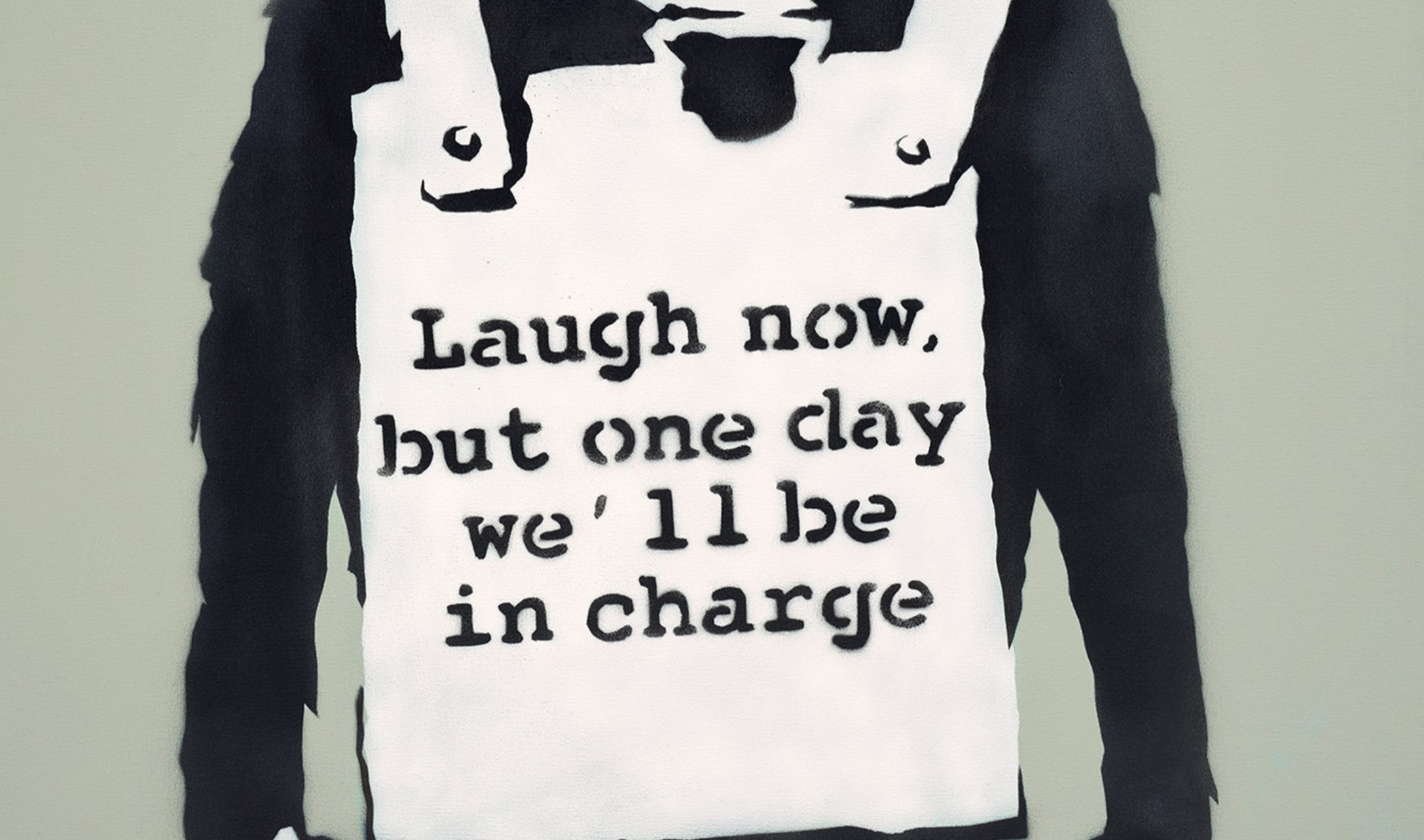
Importantly, the monkey makes no attempt to seize power. It issues no demands, no manifesto and no revolutionary call to arms. It simply waits. This extraordinary restraint is what gives the image its unsettling quality. The prediction is delivered without anger or triumphalism, as though the outcome were inevitable. The monkey does not promise revenge; it merely suggests that change is one of history’s few certainties.
This ambiguity allows the image to transcend any single political reading. The monkey may represent the working classes challenging entrenched elites, marginalized communities seeking recognition, artists dismissed by the cultural establishment, or humanity itself confronting its own arrogance. Equally, it may be read as Banksy’s own quiet declaration of intent. In 2002, he remained an anonymous graffiti artist working outside the conventional art world. Few collectors, curators or museums took street art seriously. Looking back from today’s perspective—where Banksy’s works command millions of dollars and hang in the world’s leading institutions—the monkey’s prophecy appears remarkably prescient.
Perhaps this is the true brilliance of Laugh Now. Rather than predicting a specific political revolution, it captures a universal truth about power itself. Those who are ignored, underestimated or ridiculed are often the very individuals who reshape the future. The monkey’s placard therefore functions not merely as a joke or a protest, but as a timeless reminder that history has a habit of laughing last.
Why a Monkey?
The extraordinary success of Laugh Now owes much to Banksy’s choice of protagonist. Had the artist depicted a politician, a businessman or an anonymous labourer, the image would have been tied to a particular social or political context. By choosing a monkey instead, Banksy created a symbol whose meaning remains deliberately fluid, allowing each viewer to bring their own interpretation to the work.

David Teniers the Younger, The Monkey Painter, 1805, Prado, Madrid. Image: Bridgeman Images
Throughout the history of Western art, monkeys have occupied a curious position. Simultaneously familiar and alien, they have long been used to expose the absurdities of human behaviour. During the Renaissance and Baroque periods, artists frequently painted monkeys dressed in human clothing, drinking, gambling or imitating aristocratic manners in a genre known as the Singerie. These humorous scenes were never really about animals. They were satirical portraits of humanity itself, using the monkey as a mirror through which our own vanities and follies became more visible.

Antoine Watteau, The Monkey Sculptor, circa 1710
Collection of Musée des Beaux-Arts d’Orléans
Banksy knowingly inherits this centuries-old tradition while radically simplifying it. His chimpanzee wears no costume and performs no theatrical gesture. It simply stands before us, silent and motionless, allowing the placard to carry the entire narrative. In doing so, Banksy strips away anecdote and leaves only the essential question: what separates us from the monkey?
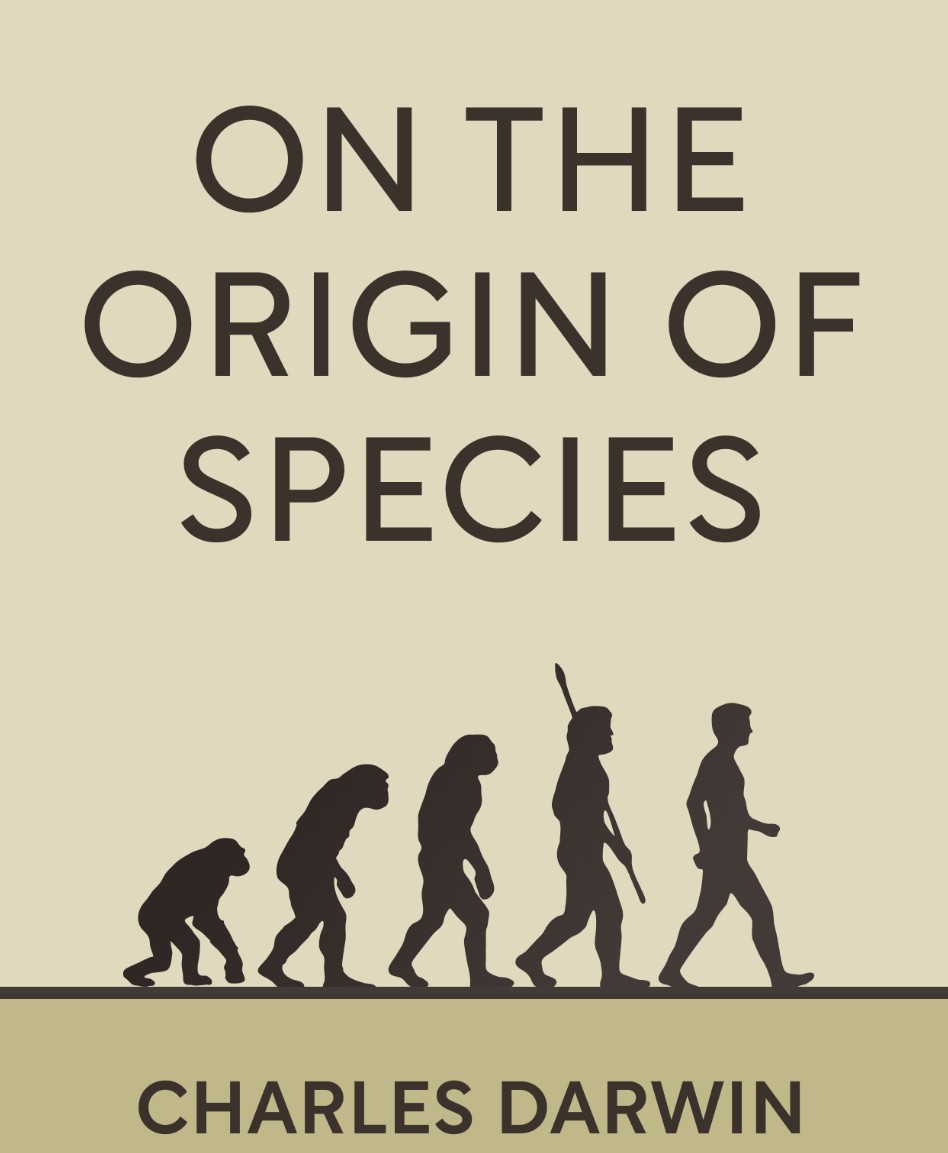
The answer is deliberately uncomfortable. Since Charles Darwin’s On the Origin of Species challenged conventional ideas about mankind’s place in nature, the ape has become an enduring reminder of our biological proximity to the animal kingdom. Civilization, Banksy suggests, may be far more fragile than we care to admit. The monkey is not an inferior creature but an unsettling reflection of ourselves, exposing the thin veneer separating reason from instinct, order from chaos, authority from absurdity.
Yet Laugh Now is not simply an evolutionary metaphor. The monkey also embodies the outsider. It is tolerated but rarely respected, observed but seldom listened to, laughed at rather than taken seriously. In this sense, the chimpanzee becomes an extraordinarily versatile symbol, capable of representing anyone relegated to the margins of society. It may stand for the working classes, for minorities, for political dissidents, or perhaps most convincingly, for artists themselves. When Banksy first painted Laugh Now in 2002, graffiti remained largely dismissed as vandalism rather than art. Anonymous stencil artists occupied the lowest rung of the cultural hierarchy, much like the monkey quietly carrying its humiliating placard.
It is difficult not to see a subtle autobiographical dimension within the image. Banksy himself was operating outside the institutions that traditionally conferred artistic legitimacy. He exhibited anonymously, worked illegally and was frequently dismissed by critics as little more than a talented vandal. Like the monkey, he existed on the periphery, underestimated precisely because he refused to play by the established rules. In retrospect, the placard reads almost like a quiet statement of intent. Without arrogance or self-promotion, it predicts a reversal that history would ultimately confirm.

Self-Portrait, 2000
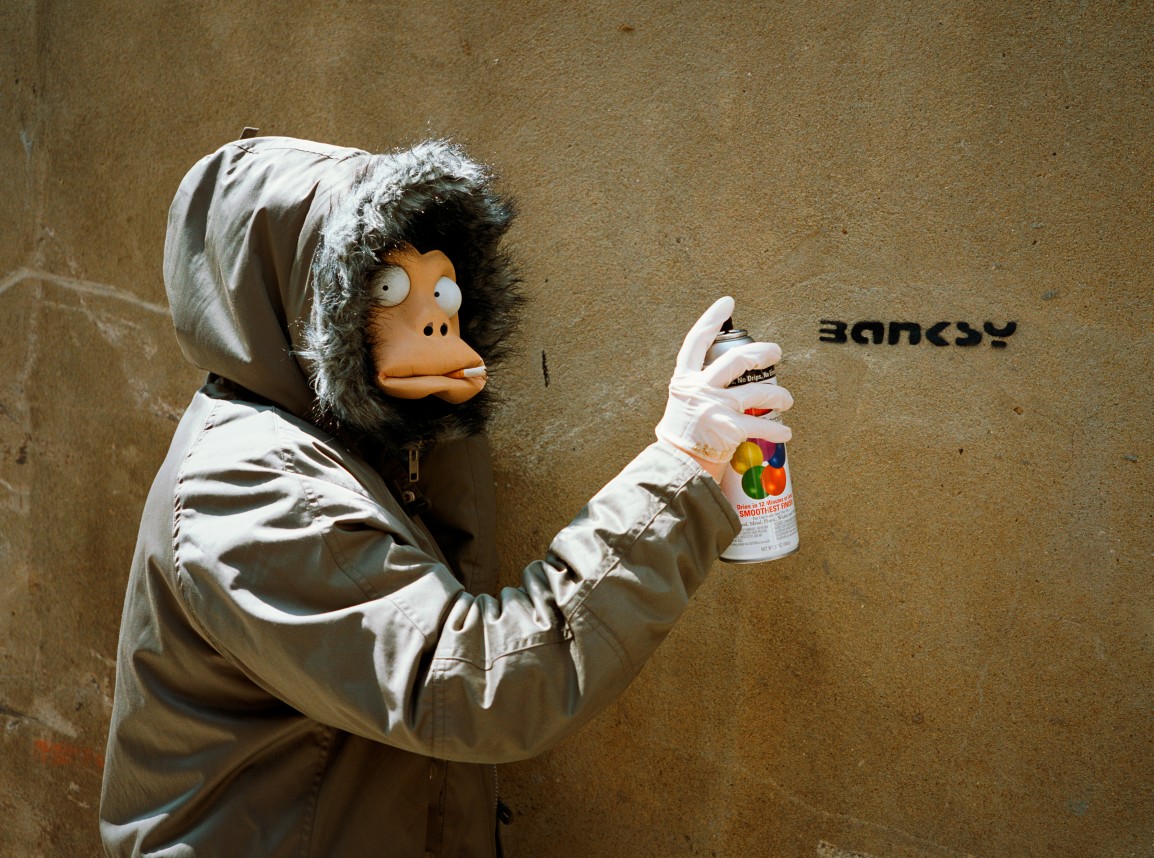
Seen as uncivilized by Darwinian evolutionary logic, the Monkey itself proves to be something of a cipher for the anonymous guerrilla artist, underscoring graffiti’s reputation as a crude and ‘untrained’ mode of art-making in the context of cultural elitism, classism, and definitions of ‘high art’. Banksy clearly made this identification at an early stage in his career, his Self-Portrait from 2000 featuring a monkey-headed figure wielding two spray cans, a disguise picked up again in the monkey mask adopted by the artist in the 2010 film Exit Through the Gift Shop.
Perhaps this explains why the monkey has remained one of Banksy’s most enduring symbols. It is not confined to a single political message or historical moment. Instead, it functions as a universal figure through which questions of exclusion, authority, identity and social hierarchy can continually be reinterpreted. The monkey is never merely an animal. It is humanity viewed from a slight distance—close enough to be recognizable, yet detached enough to expose the absurdities we often fail to perceive in ourselves.
 Still from Planet of the Apes, 1963
Simplicity as Perfection
One of the most remarkable qualities of Laugh Now is the extraordinary restraint of its composition. In an age increasingly dominated by visual excess, Banksy achieves a level of communicative power through reduction rather than accumulation. Every unnecessary element has been removed until only the essential remains.
The composition consists of just three components: a solitary monkey, a crudely painted sandwich board and a single sentence. There is no background, no architectural setting, no secondary figures and no decorative detail. The eye encounters the image immediately, without distraction or ambiguity. Within seconds, the viewer understands the scene. Yet understanding its meaning may take a lifetime.
This remarkable economy reflects one of Banksy’s greatest artistic strengths. Like the finest political cartoons, his images rely upon clarity rather than complexity. The visual language is instantly accessible, allowing the work to communicate across cultures, languages and social backgrounds. A passer-by needs no specialist knowledge of contemporary art to understand the emotional tension within Laugh Now. The monkey’s posture immediately evokes sympathy, while the placard introduces irony, humour and quiet menace in a single stroke.
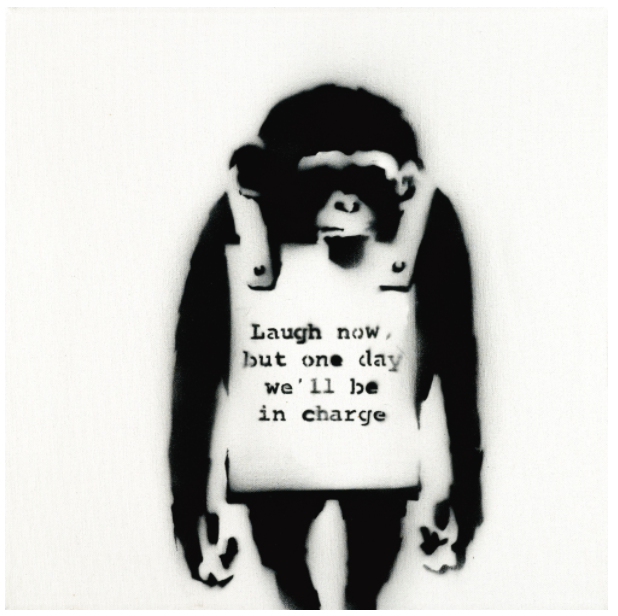
The composition is equally masterful from a formal perspective. Banksy positions the monkey almost frontally, encouraging a direct psychological encounter between figure and viewer. Its slightly slumped shoulders suggest resignation rather than aggression. The oversized feet anchor the figure firmly to the ground, while the elongated arms hang passively at its sides. Nothing in the animal’s body language appears confrontational. Instead, the monkey seems almost vulnerable, as though resigned to the ridicule it endures.
This emotional ambiguity is crucial to the work’s success. Before we have even read the placard, we instinctively empathize with the figure standing before us. Only afterwards does the sentence subtly alter our perception. The apparent victim suddenly becomes the bearer of a remarkable prediction. In this way, Banksy constructs a sophisticated psychological sequence. Our first response is compassion; our second is surprise; our third is reflection. Very few contemporary artists manipulate the viewer’s emotional journey with such precision.
The text itself functions as an integral part of the composition rather than a simple caption. Remove the monkey, and the sentence becomes little more than a slogan. Remove the placard, and the monkey becomes merely another animal. Together, however, image and language produce something far greater than the sum of their parts. Each completes the other. Banksy has often demonstrated an exceptional ability to fuse words and images into a single visual statement, but nowhere is this synthesis more perfectly balanced than in Laugh Now.
Perhaps this explains the image’s extraordinary longevity. Great works of art often possess a quality of inevitability, appearing so simple that they seem as though they could never have been otherwise. Laugh Now belongs to this rare category. Its elegance lies not in technical virtuosity or visual complexity, but in its ability to condense an astonishing range of political, philosophical and psychological ideas into one unforgettable silhouette. More than two decades after its creation, the monkey still stands silently before us, asking exactly the same question it posed in 2002: who, in the end, will have the last laugh?
From the Wall to the Canvas
One of the greatest achievements of Laugh Now lies in its extraordinary ability to move effortlessly between two seemingly incompatible worlds. Conceived as a piece of street art, the image retains all the immediacy, clarity and visual impact required of an urban intervention, yet it translates equally convincingly into monumental original paintings that now occupy museums, galleries and important private collections around the world.
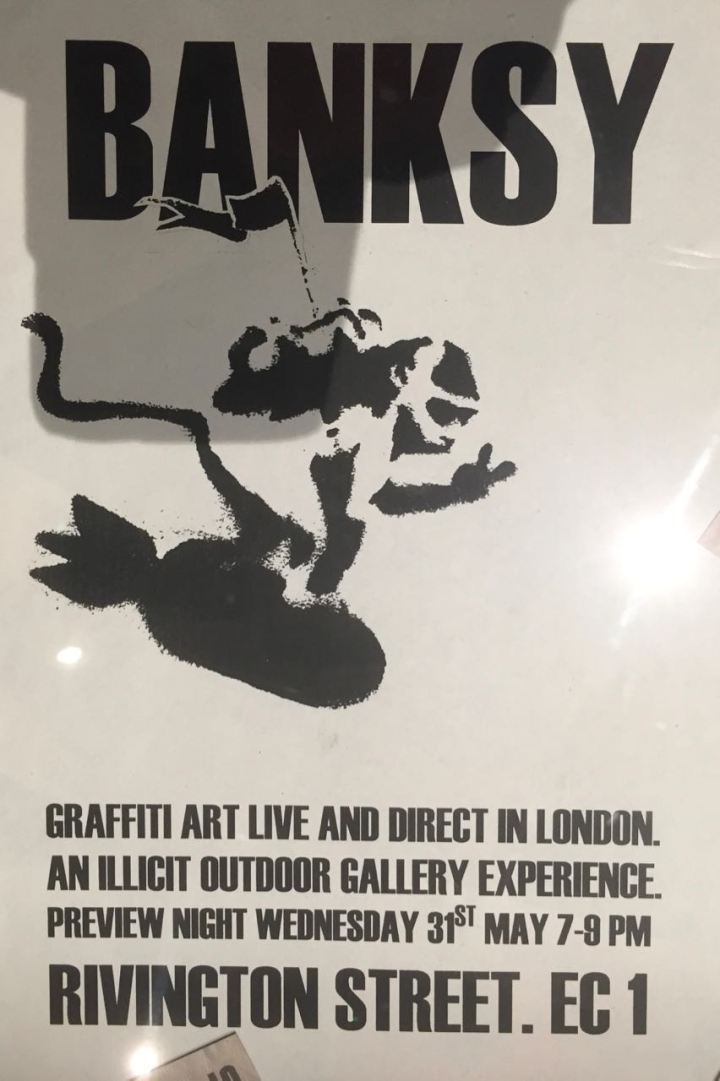
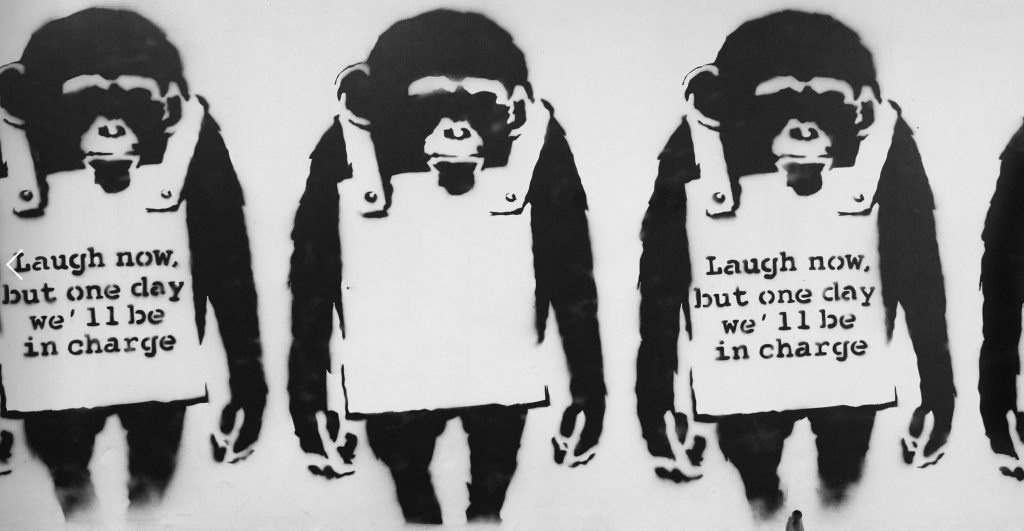
Staging what the flyer invitation described as ‘an illicit outdoor gallery experience’ Banksy populated Rivington Street in London’s Shoreditch area with twelve stencils, including an iteration of the present work featuring the titular slogan. Although no murals of the work now survive, it remains an enduring image of British counterculture and the thriving street art scene in the years leading up to the millennium.
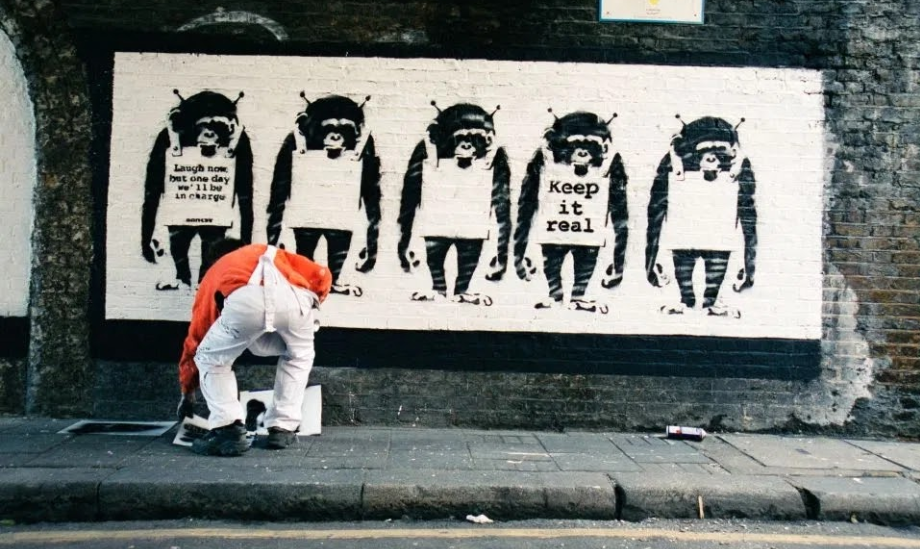
This remarkable versatility stems from the extraordinary economy of Banksy’s visual language. Like the finest examples of graffiti, Laugh Now was designed to communicate instantly. A passer-by needed only a brief glance to recognize the silhouette of the monkey before gradually discovering the sentence that transformed a seemingly humorous image into a profound reflection on power and social change. The work unfolds almost cinematically: first the figure, then the placard, and finally the realization that the joke is directed not at the monkey, but at ourselves.
Unlike many street artists whose work depends heavily upon its architectural setting, Banksy created an image capable of existing independently of the wall on which it first appeared. The monkey belongs to no specific place or historical event. It carries no political emblem, no geographical reference and no visual clues tying it to a particular moment in time. This deliberate universality explains why the composition has proved so adaptable, successfully evolving from an ephemeral stencil into one of the most sought-after bodies of original works in contemporary art.
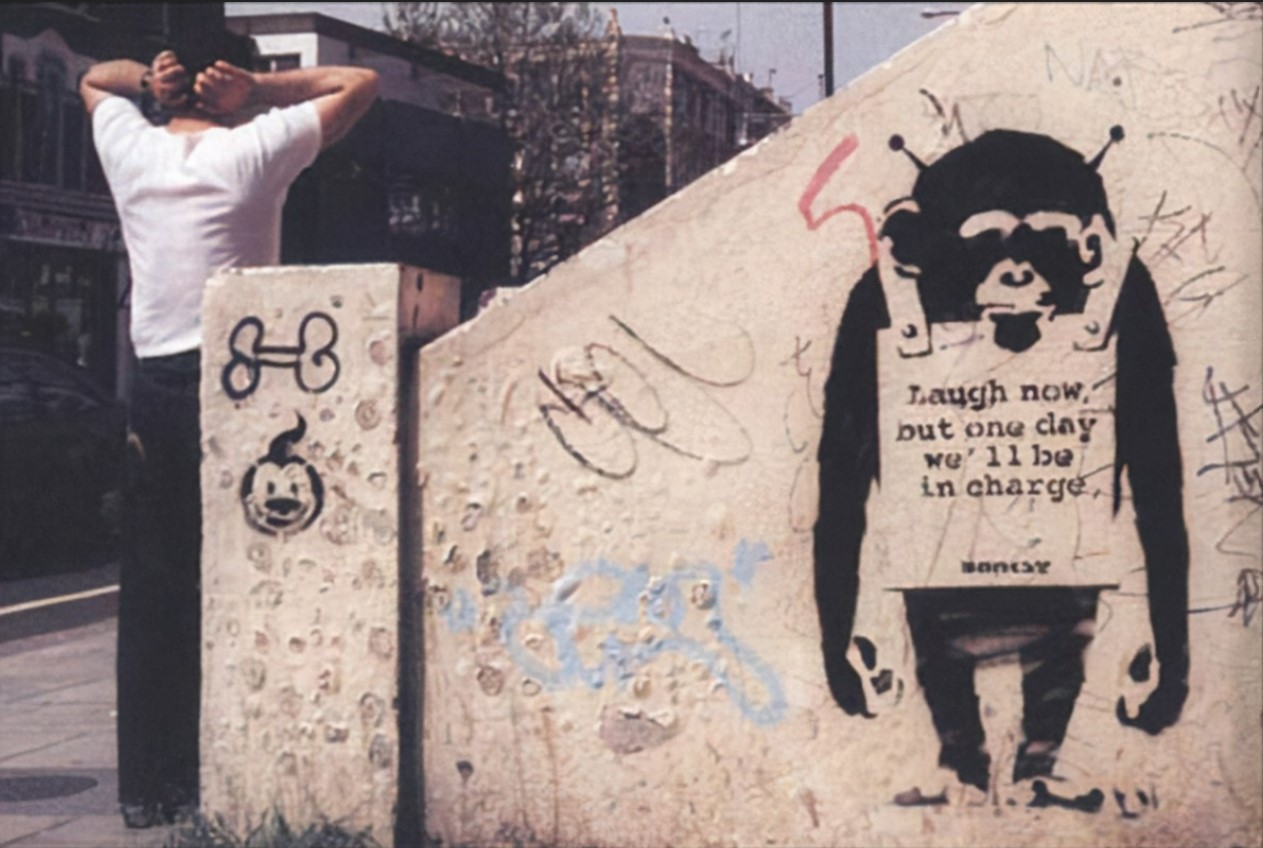
Rather than simply reproducing the mural, Banksy continually reinvented Laugh Now through an extraordinary variety of supports, formats and scales. Collectively, these works demonstrate that the artist was never interested in producing identical copies. Instead, each version explores a different relationship between the image and its material.
Canvas
The canvas examples are perhaps the closest to traditional painting. Their clean, uninterrupted surfaces place the viewer’s attention entirely upon the monkey and its message, emphasizing the remarkable simplicity and graphic strength of the composition.
Plywood
Executed on raw plywood, several examples deliberately evoke the temporary construction hoardings and boarded windows that formed the backdrop to much of Banksy’s early street practice. The natural grain and imperfections of the wood reinforce the work’s urban origins while introducing a warmth absent from the white canvas versions.
Cardboard
Among the most compelling iterations are those painted on cardboard. Here, the support becomes part of the message. Once used for packaging and destined to be discarded, cardboard embodies ideas of consumerism, fragility and disposability, echoing Banksy’s long-standing fascination with overlooked materials and marginalized subjects.
Steel and Industrial Supports
Banksy also explored metal panels and industrial materials, transforming the monkey into something more permanent and architectural. These works evoke the bridges, factory walls and urban infrastructure that define the contemporary city, while simultaneously questioning the paradox of preserving an art form originally conceived as temporary.
Monumental Works
The largest examples recover the physical presence of the original murals. Approaching life-size, the monkey ceases to function merely as an image and instead confronts the viewer as a silent protagonist. Scale fundamentally alters the psychological experience of the work, lending the figure an unexpected dignity and authority.
Unique Variations
Although the composition remains remarkably consistent, no two original Laugh Now paintings are entirely identical. Differences in scale, support, background, paint handling, drips and execution reveal Banksy’s continual willingness to reinterpret one of his defining images. Rather than weakening the series, these subtle variations enrich it, documenting the evolution of a single artistic idea across different contexts and materials.
Perhaps most remarkably, Banksy succeeded in translating an inherently ephemeral artistic practice into enduring works without sacrificing its authenticity. The visible stencil edges, overspray, paint drips and deliberate imperfections continue to celebrate the language of graffiti rather than conceal it beneath the conventions of traditional painting. Each original remains unmistakably rooted in the street, even as it enters the museum or the collector’s home.
Far from being simple reproductions of a celebrated mural, the original versions of Laugh Now constitute a remarkable body of work in their own right. Together they chart the evolution of one of Banksy’s most important artistic inventions, demonstrating how a single stencil could be continually reinterpreted through different materials, scales and contexts while preserving the extraordinary conceptual clarity that made it one of the defining images of contemporary art.
Laugh Now (Early canvas)

BANKSY
Untitled (Laugh Now…), 1998
Spray-paint stencil and acrylic on board
61 x 73.5 cm (24 x 28 1/2 inches)
Auction History
| Bonhams New-York Estimates Not Disclosed 13 May 2008 |
Price Realized
USD 252,000 |
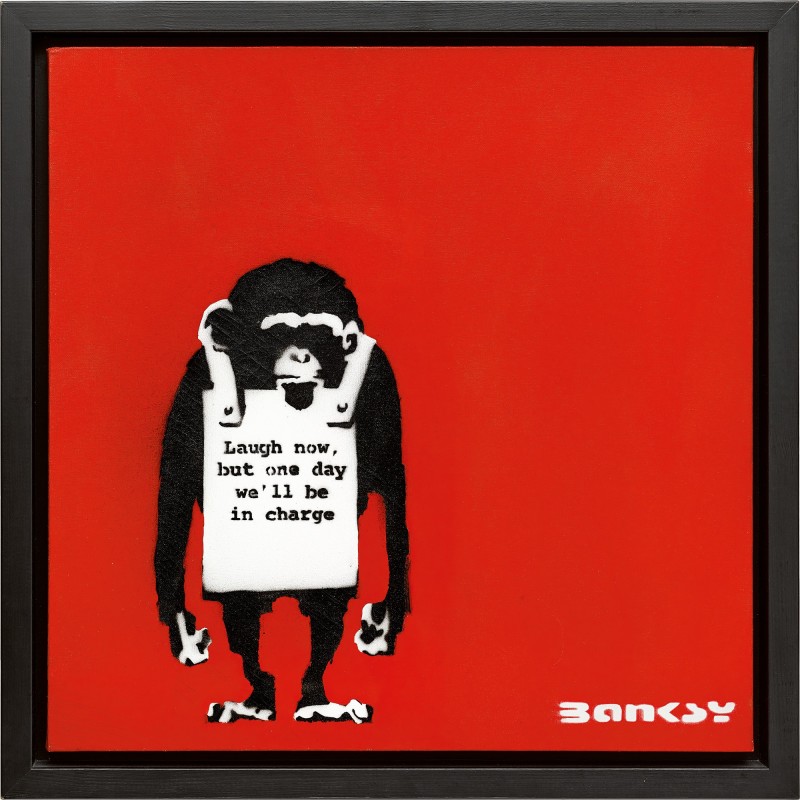
BANKSY
Laugh Now But One Day We’ll Be In Charge, 2000
Acrylic and stencil spray-paint on canvas
61×61 cm (24×24 inches)
Stencil-signed “BANKSY”, lower right
Auction History
| Sotheby’s Hong-Kong 18 June 2021 Est.: HKD 6,200,000 – 9,300,000 |
Price Realized |
REPEAT SALE
| Bonhams London 29 June 2017 Est.: GBP 120,000 – 180,000 |
Price Realized |
REPEAT SALE
| Sotheby’s London 15 October 2007 Est.: GBP 30,000 – 50,000 |
|

BANKSY
Laugh Now, 2000
Acrylic and spray paint on canvas
61.2 x 61 cm (24 1/8 x 24 inches)
This work is unique in its format
Auction History
| Christie’s London 14 October 2022 Est.: GBP 400,000 – 600,000 |
Price Realized GBP 529,200 / USD 598,080 BANKSY, Laugh Now | Christie’s |
Laugh Now (Ocean Rooms)

BANKSY
Laugh Now, 2002
Stencil spray paint on painted board, in 3 parts
107.5 x 604.5 cm (42 3/8 x 237 7/8 inches)
This work is unique
Auction History
| Phillips New-York 12 November 2013 Est.: USD 300,000 – 400,000 |
Price Realized |
REPEAT SALE
| Bonhams London 5 February 2008 Estimates Not Disclosed |
Price Realized |
Laugh Now Panel A

Laugh Now Panel A, 2002
Unique, From a series
Auction History
| Phillips Hong-Kong 8 June 2021 Est.: HKD 22,000,000 – 32,000,000 |
Price Realized |
Laugh Now (canvas)
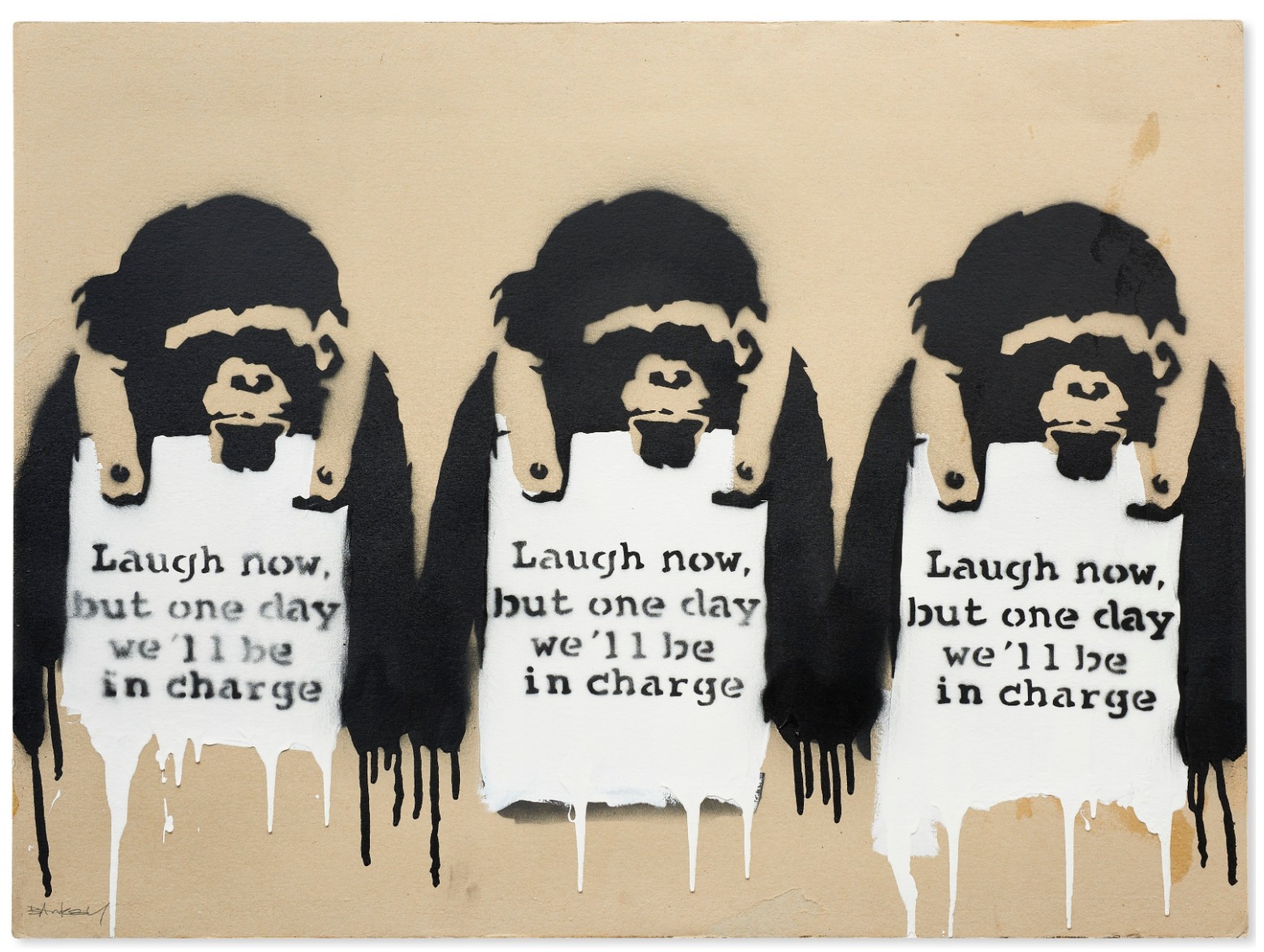
Laugh Now But One Day We’ll Be In Charge, 2002
Auction History
| Christie’s New-York 11 May 2021 Est.: USD 2,000,000 – 3,000,000 |
Price Realized USD 2,070,000 |

BANKSY
Laugh Now But One Day We’ll Be In Charge, 2002
Spray paint and emulsion on canvas
91×91 cm (35 7/8 x 35 7/8 inches)
This work is number 3 from an edition of 5 unique examples
Stenciled with the artist’s tag ‘BANKSY’ lower right
Signed, numbered and dated ‘BANKSY 03/05 2002’ on the stretcher
Auction History
| Phillips London 14 October 2022 Est.: GBP 1,000,000 – 1,500,000 |
Price Realized |

BANKSY
Laugh Now, 2002
Spray paint on canvas
30.5 x 30.5 cm (12×12 inches)
Stenciled with the artist’s signature on the overturn
Signed on the reverse
Auction History
| Sotheby’s London 13 April 2021 Est.: GBP 400,000 – 600,000 |
Price Realized |

Laugh Now, 2002
Spray-paint on canvas
43×43 cm (16 7/8 x 16 7/8 inches)
Stenciled with the artist’s name on the right overturn edge
Signed, numbered 4/5 and dated LA 2002 on the stretcher
Auction History
| Sotheby’s London 11 February 2015 Est.: GBP 35,000 – 45,000 |
Price Realized
GBP 87,500 / USD 133,850 |

BANKSY
Laugh Now, 2002
Acrylic and spray enamel on canvas
43.2 x 43.2 cm (17×17 inches)
Signed, dated 2002 and numbered 5/5 on the stretcher
Stenciled with the artist’s name on the right lateral edge
Auction History
| Sotheby’s New-York 14 November 2013 Est.: USD 50,000 – 70,000 |
Price Realized USD 137,000 |

stencil spray paint on canvas
60×50 cm (23 5/8 x 19 11/16 inches)
Stencil signature to overlap
Auction History
| Bonhams London 23 September 2009 Est.: GBP 25,000 – 35,000 |
Price Realized
GBP 46,800 / USD 61,365 |
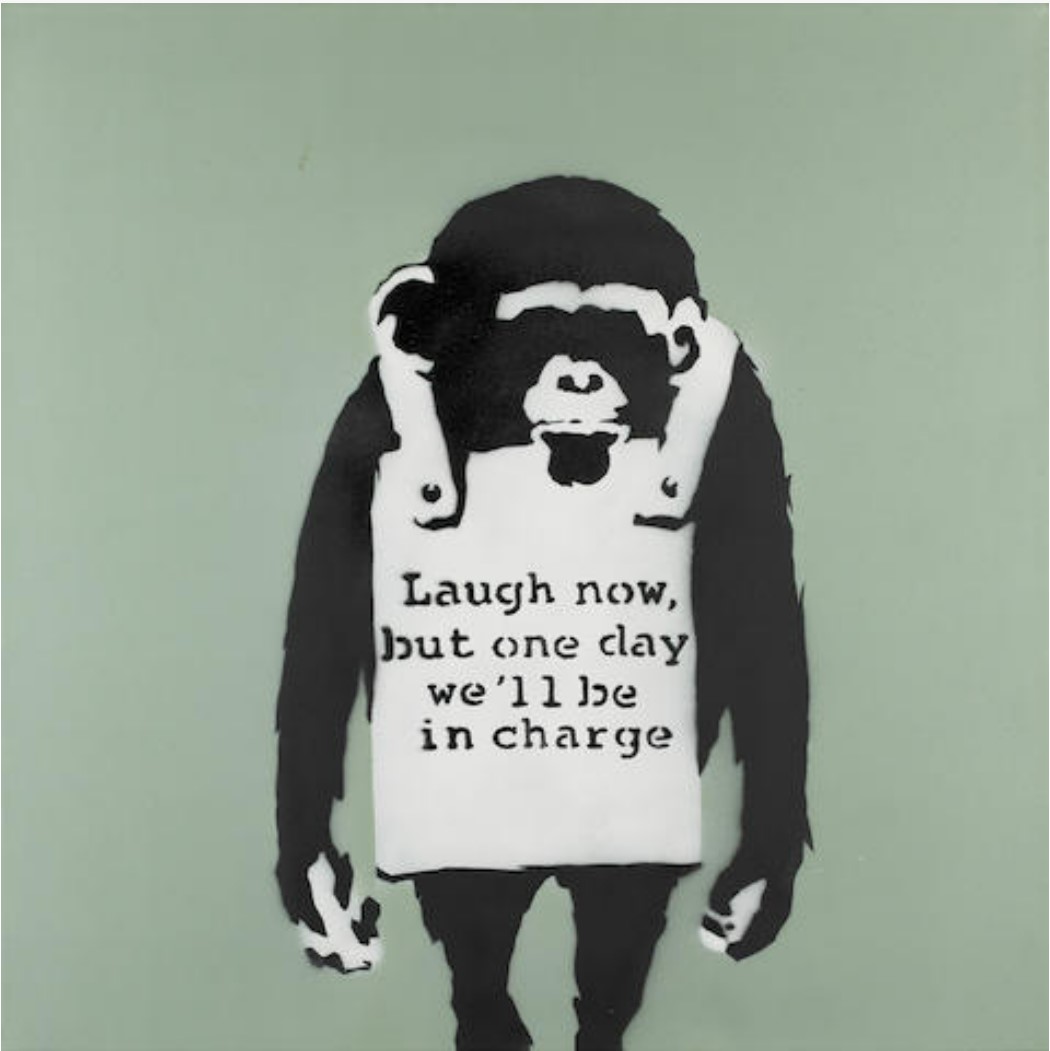
BANKSY
Laugh Now, 2002
Stencil spray-paint on canvas
76×76 cm (29 15/16 x 29 15/16 inches)
Stencil-signed “BANKSY” on the overlap
Auction History
| Bonhams London 23 October 2008 Est.: GBP 60,000 – 80,000 |
Price Realized
GBP 108,000 / USD 141,615 |
Laugh Now (Wood)
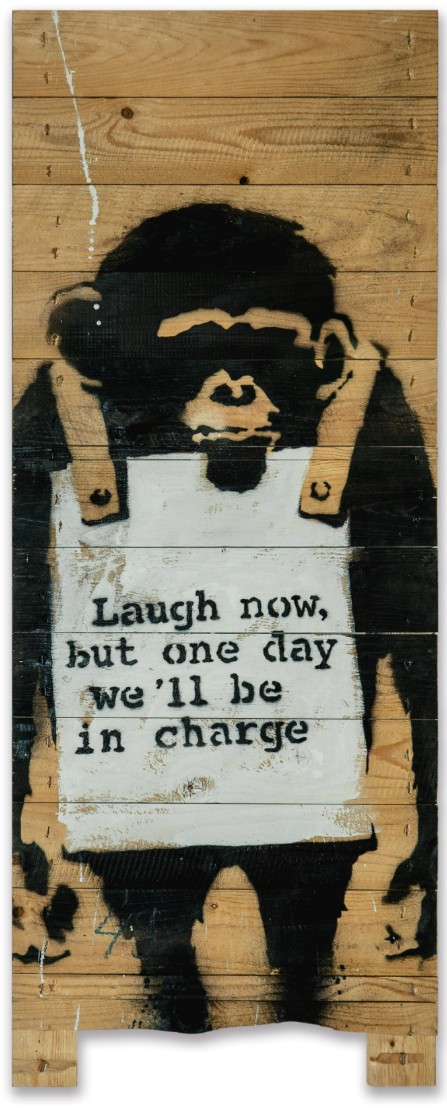
BANKSY
Laugh Now on Palette, 2005
Spraypaint on wooden palette
120×49 cm (47 1/4 x 19 1/4 inches)
Signed and dated 5/9/05 on the reverse
Auction History
| Sotheby’s New-York 15 November 2019 Est.: USD 350,000 – 450,000 |
Price Realized |

Stencil spray paint on board
91×64 cm (35 13/16 x 25 3/16 inches)
Auction History
| Bonhams London 16 April 2008 Est.: GBP 50,000 – 70,000 |
Price Realized |
Laugh Now (Plaster)
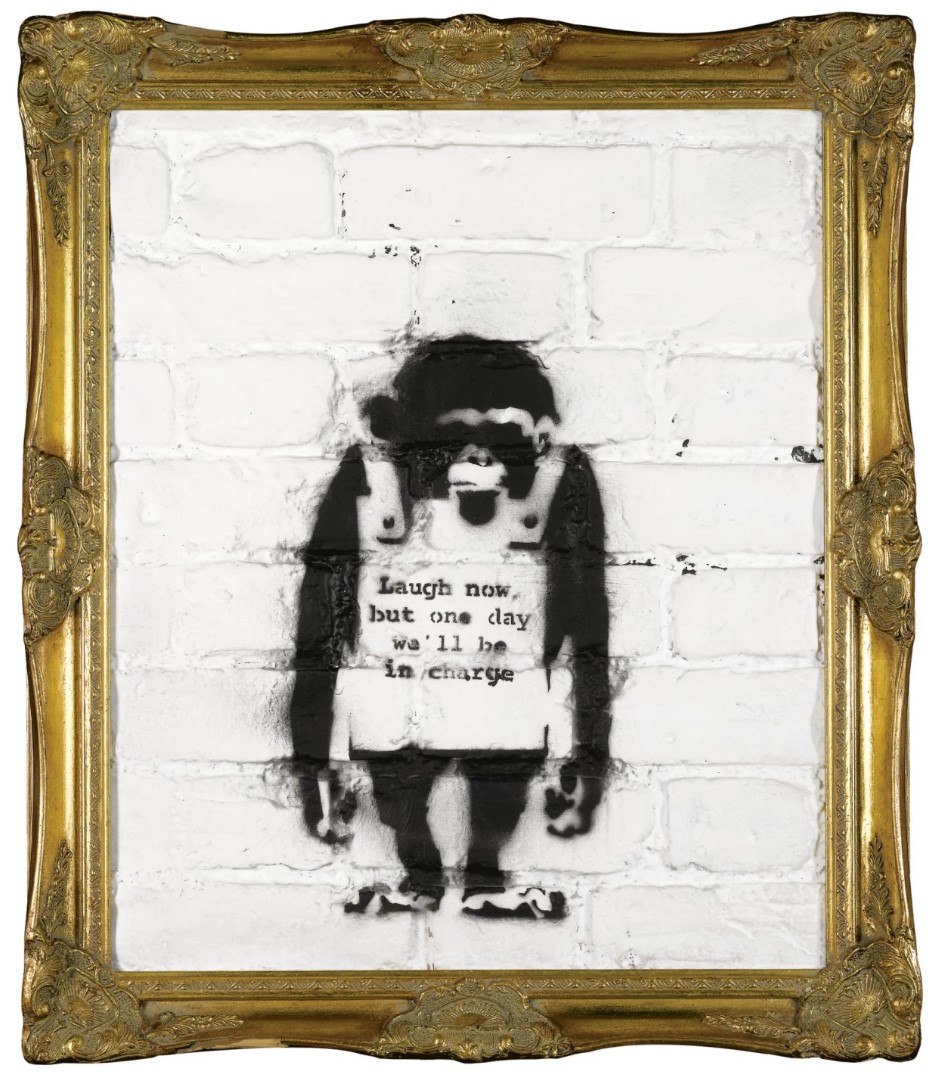
BANKSY
Laugh Now But One Day We’ll Be In Charge, circa 2002
Acrylic and spraypaint stencil on cast plaster on board in artist’s frame
61 x 50.7cm (24×20 inches)
Stenciled with the artist’s signature on the reverse
Auction History
| Sotheby’s London 20 October 2008 Est.: GBP 60,000 – 80,000 |
Price Realized |
Laugh Now (Metal)
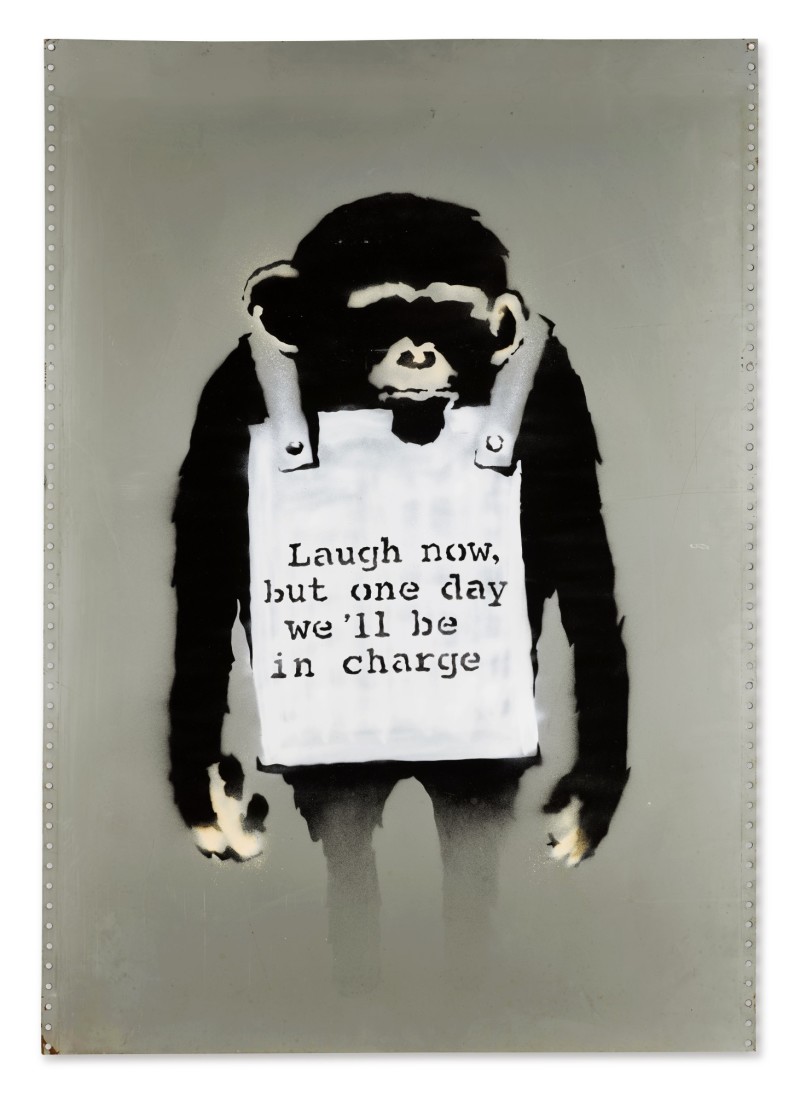
BANKSY
Laugh Now, 2006
Spray-paint on metal
129.5 x 91 cm (51 x 35 7/8 inches)
Unique in this format
Signed and dated “Aug 2006” on the reverse
Auction History
| Sotheby’s London 29 June 2021 Est.: GBP 2,500,000 – 3,500,000 |
Price Realized
GBP 2,435,000 / USD 3,370,000 |