#1
 View in catalogue →
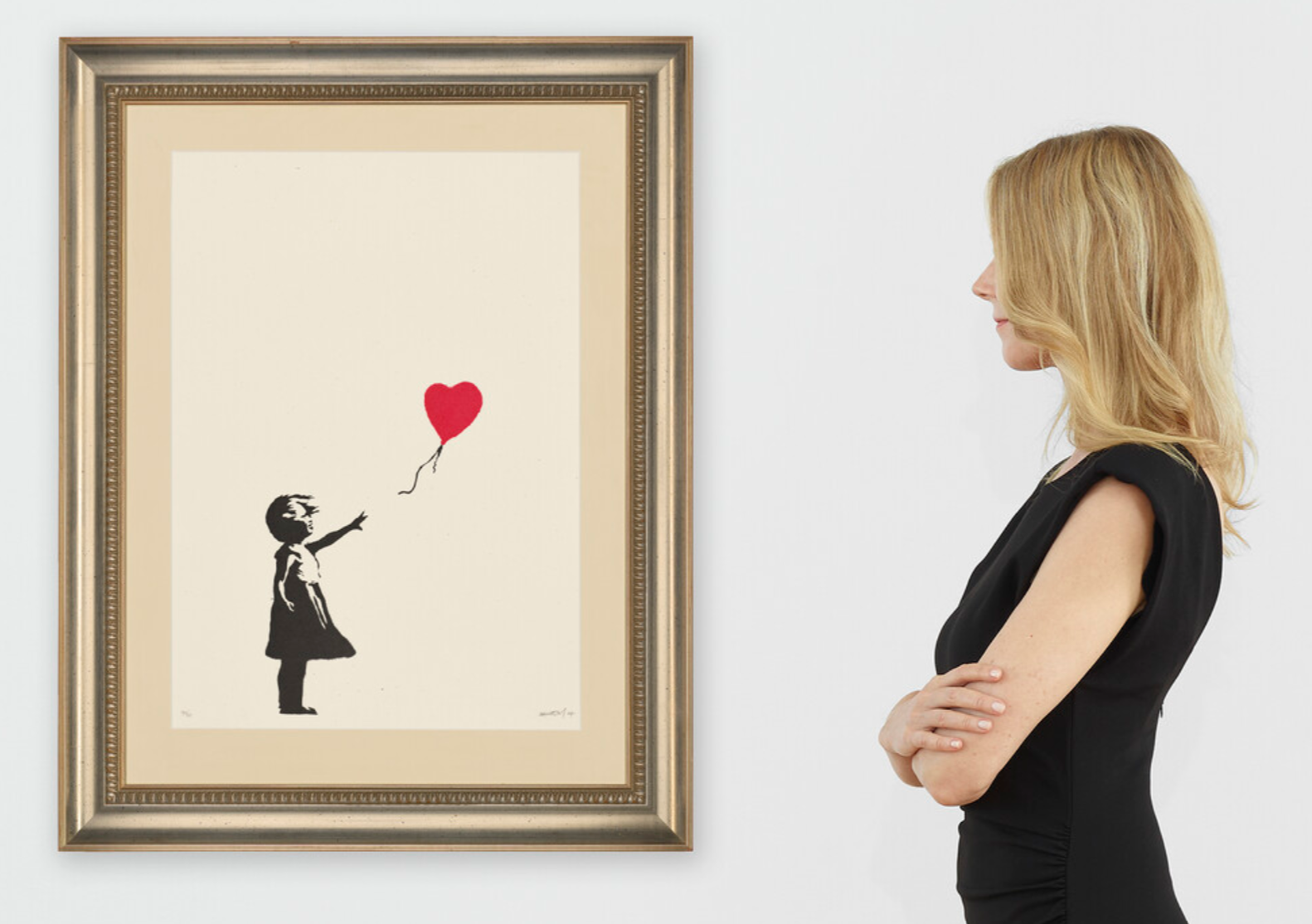
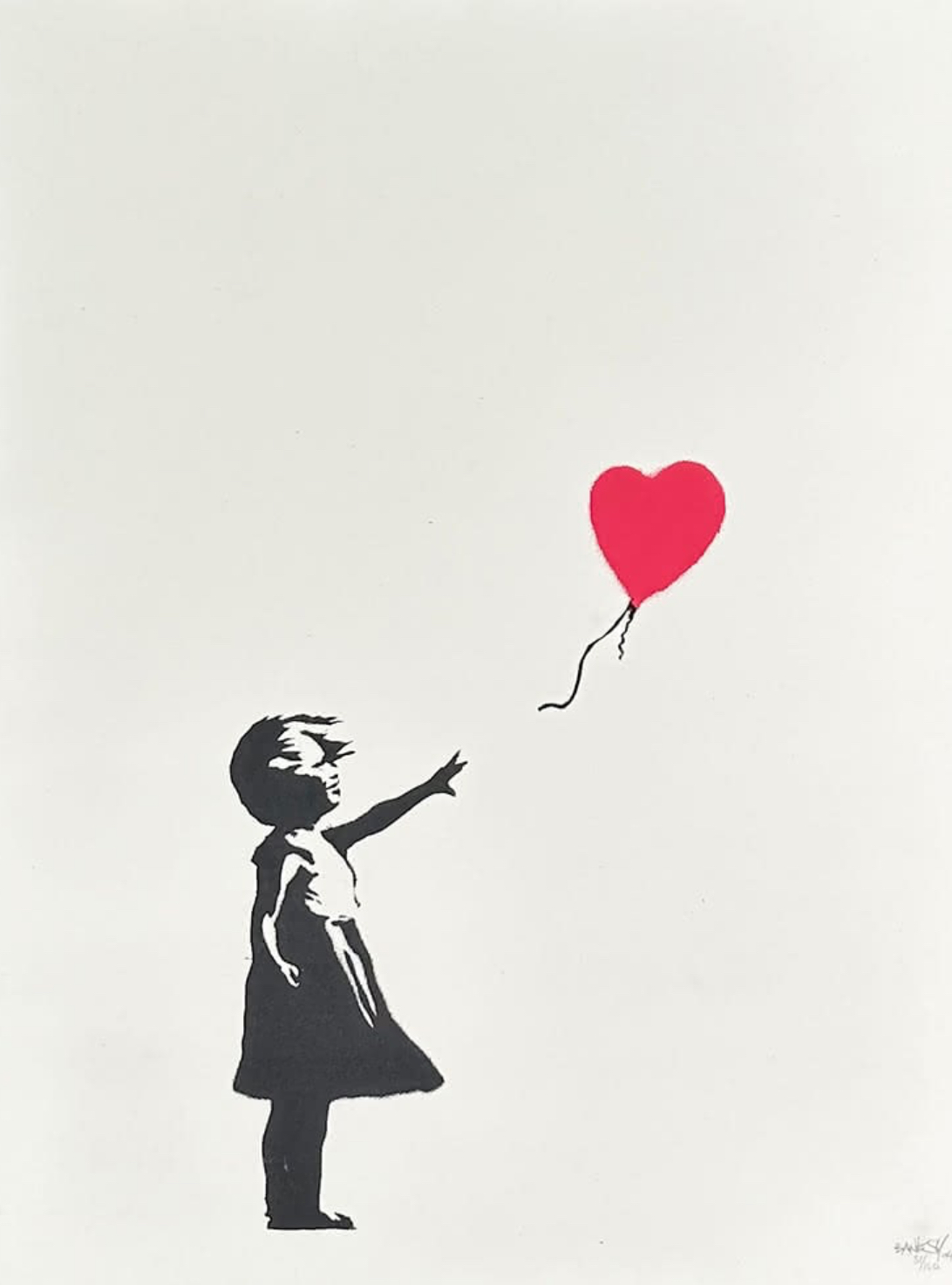
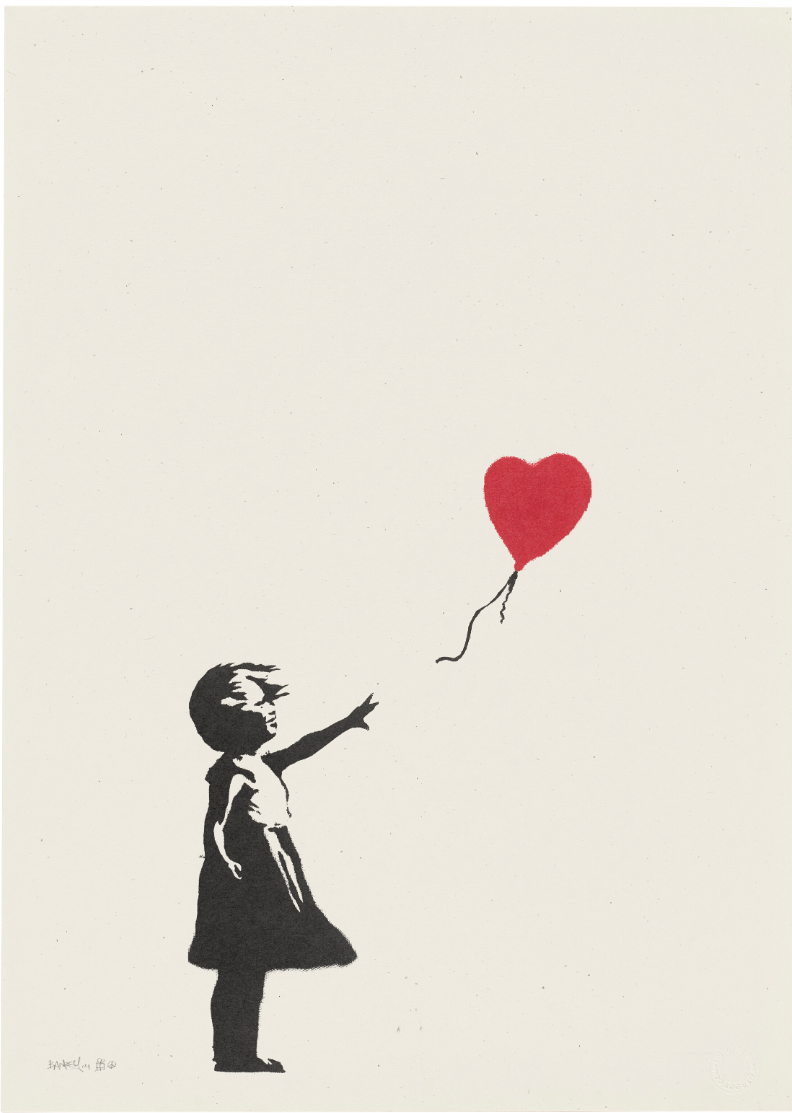
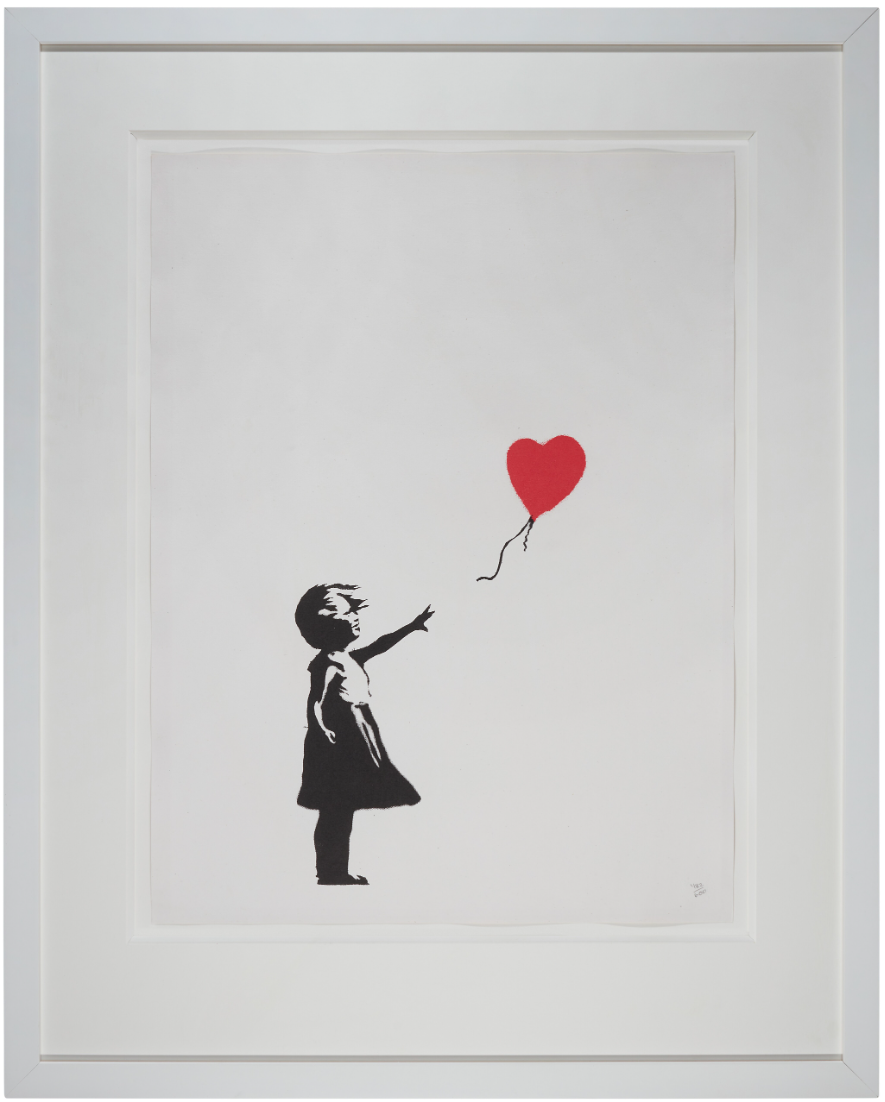
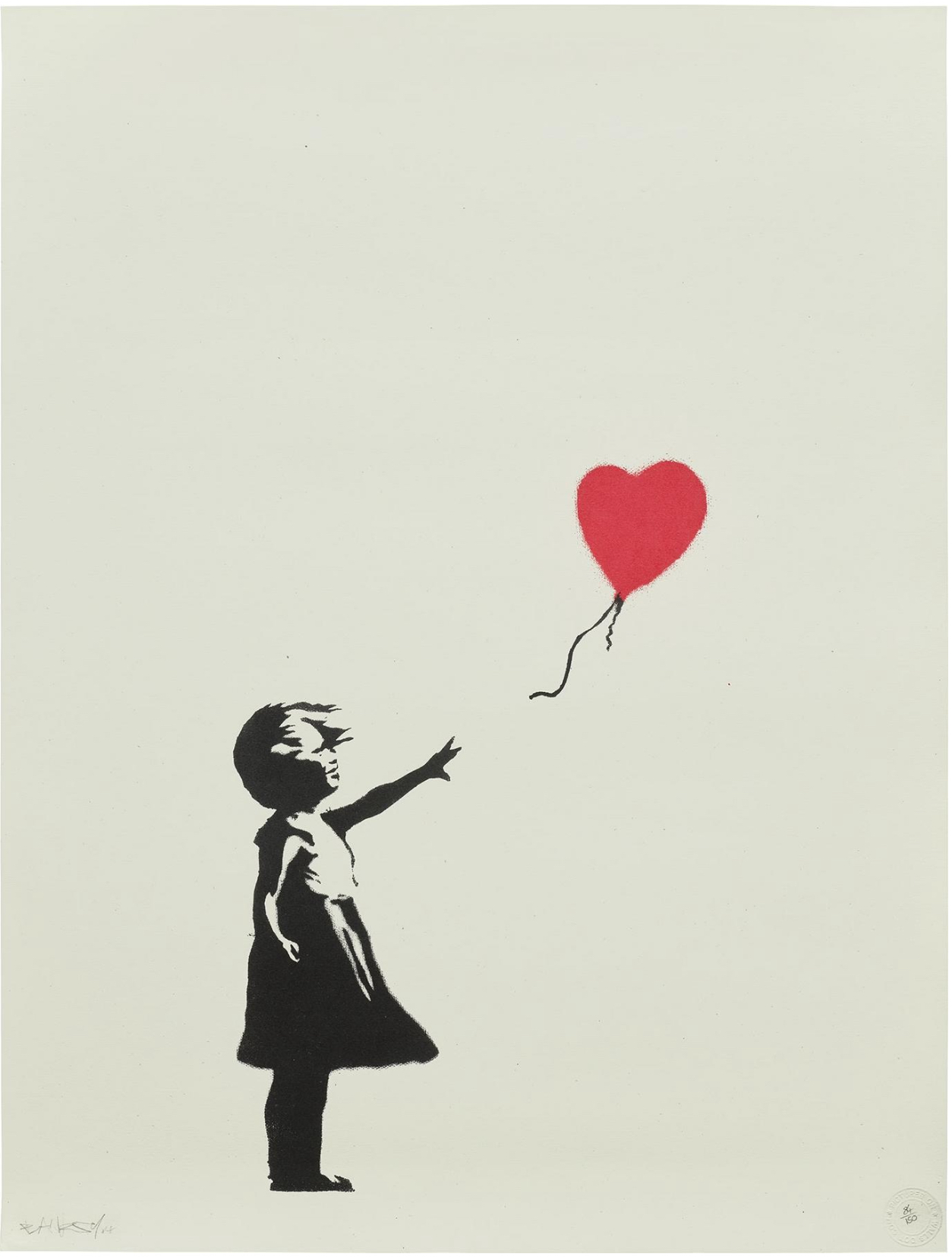
Girl with Balloon (signed), 2004
Edition: 78/150
From Expansion to Euphoria — and Back to Normality
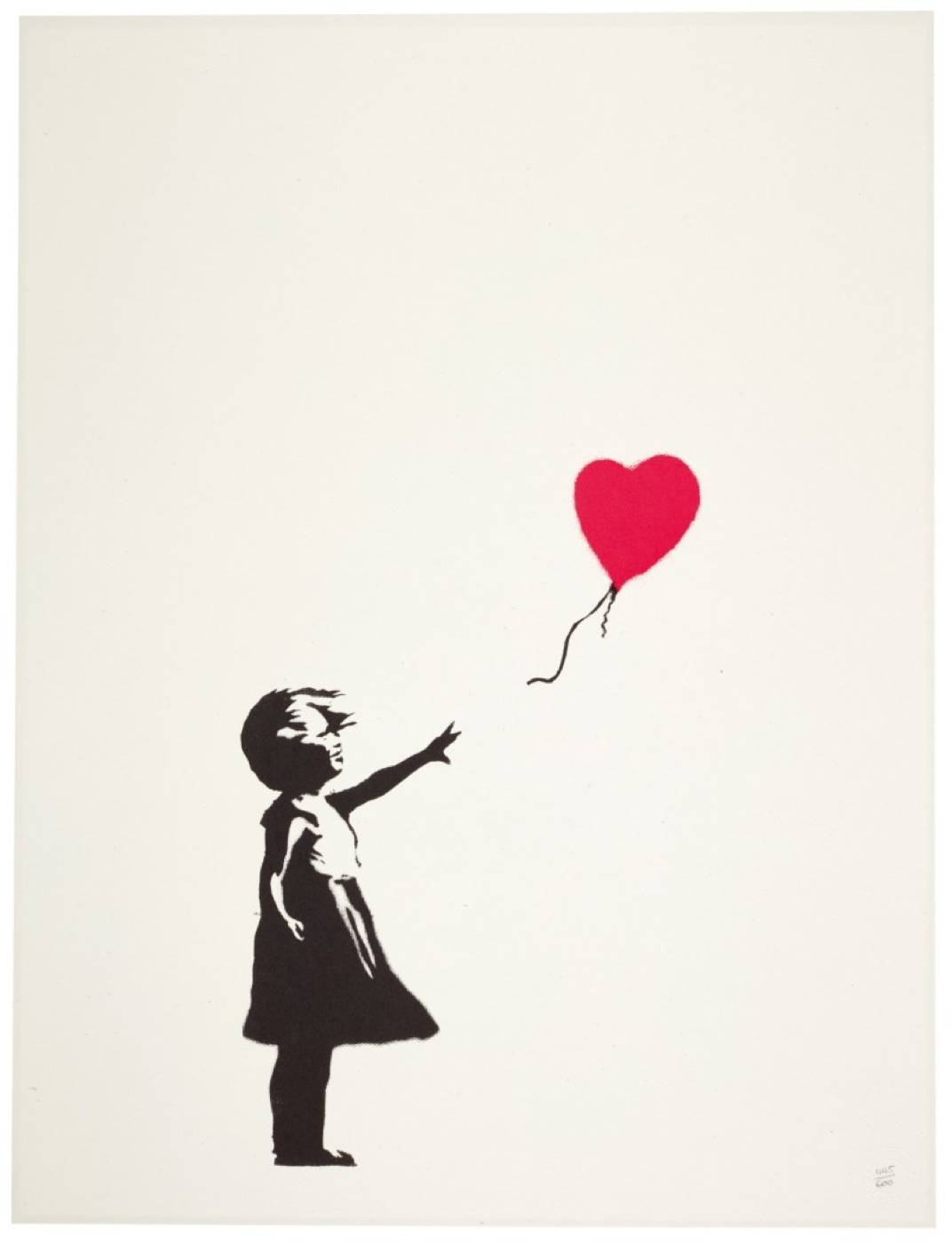
Between 2018 and 2025, the Banksy print market experienced one of the most dramatic cycles in the contemporary editions market. What began as a relatively established but still comparatively modest collecting category accelerated sharply in 2020, reached extraordinary levels of activity and valuation in 2021, and subsequently entered a prolonged correction. By 2025, prices had returned remarkably close to their pre-boom levels, while an active and increasingly international secondary market remained firmly in place.
The longer historical perspective is essential. Looking only at the correction since 2023 risks presenting the Banksy market as one experiencing a conventional decline. Looking from 2018 reveals something rather different: an exceptional expansion in both prices and transaction volume, followed by a substantial retracement as speculative demand subsided and collectors became considerably more selective.
The Banksy Explained database records 2,482 completed public auction sales of Banksy prints between 2018 and 2025, representing approximately $160 million in aggregate turnover. The database currently records completed transactions rather than every work offered at auction; consequently, the figures below measure sales and market activity rather than sell-through rates. Bought-in and unsold lots will be incorporated separately as the database is expanded.
Over these eight years, the market evolved from a relatively concentrated British and European collecting category into a genuinely international market involving specialist auction houses, the major international houses, online platforms and increasingly significant participation from the United States and Asia.
The expansion in transaction volume was remarkable. The database records 216 completed sales in 2018, rising to 292 in 2019 and 408 in 2020 before reaching 572 transactions in 2021. In only three years, the annual number of Banksy print transactions had increased by approximately 165%.
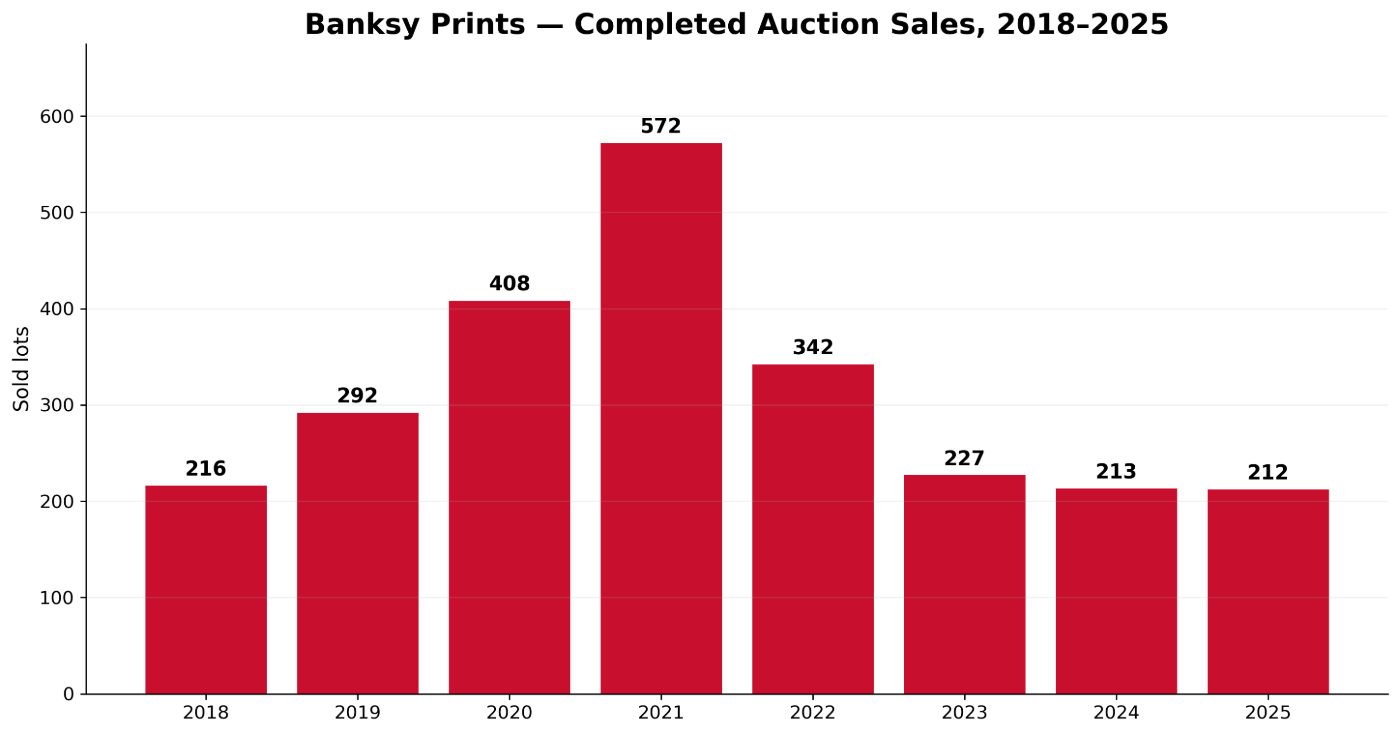
The reversal after 2021 was equally pronounced. Completed sales declined to 342 in 2022, 227 in 2023, 213 in 2024 and 212 in 2025. By 2025, transaction volume had therefore returned almost exactly to its 2018 level.
Price and turnover followed a much more dramatic trajectory. Total recorded auction turnover increased from approximately $5.9 million in 2018 and $8.8 million in 2019 to $34.2 million in 2020. It then reached an extraordinary $58.8 million in 2021, almost ten times the turnover recorded only three years earlier.
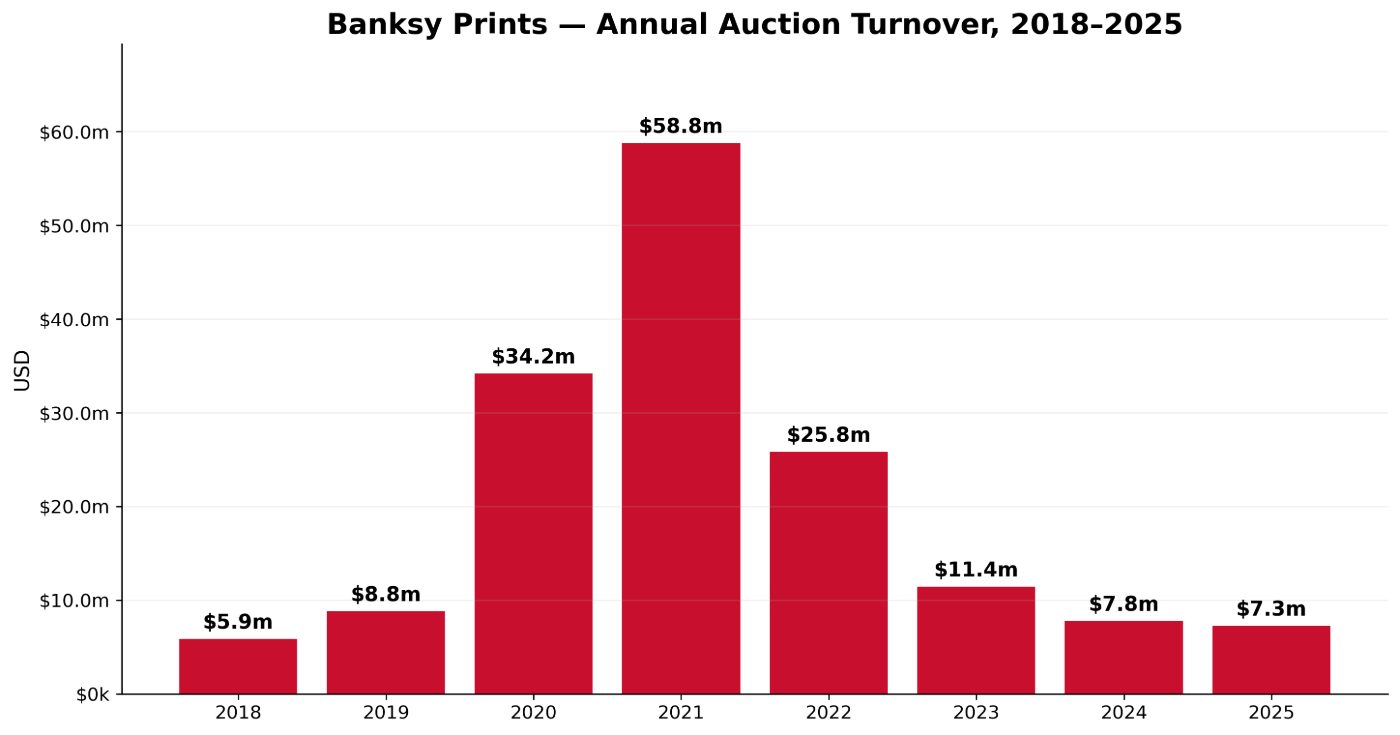
By 2022, turnover had fallen to $25.8 million, followed by $11.4 million in 2023, $7.8 million in 2024 and approximately $7.3 million in 2025. From the 2021 peak to 2025, annual turnover therefore contracted by approximately 88%.
Yet the comparison with 2018 is revealing. Despite the severity of the correction, 2025 turnover remained approximately 23% above 2018 while the number of completed transactions was almost identical. The market has therefore not disappeared. Rather, the exceptional pricing and trading intensity of 2020–2022 has largely unwound.
Median prices provide perhaps the clearest illustration of the cycle. The overall median Banksy print sold for approximately $21,528 in 2018 and $20,272 in 2019. It then increased dramatically to $61,977 in 2020 before reaching $73,560 in 2021.
The subsequent decline was persistent. The median fell to $51,012 in 2022, $34,890 in 2023, $24,000 in 2024 and approximately $20,495 in 2025.
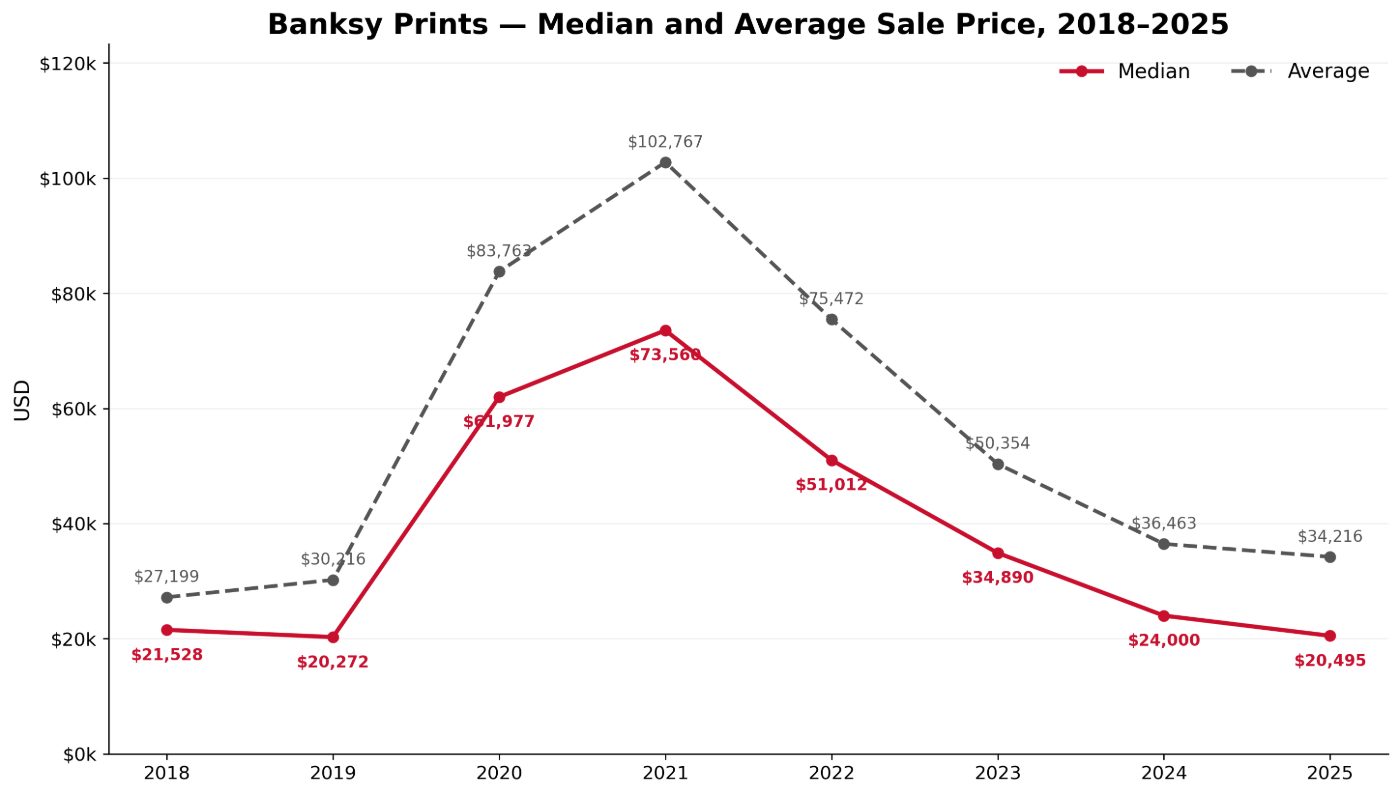
Measured from the 2021 peak, the median price therefore declined by approximately 72% by 2025. Yet measured across the complete cycle, the conclusion is considerably more nuanced: the 2025 median is almost identical to the level recorded in 2018 and 2019.
Average prices tell a similar story, rising from $27,199 in 2018 to a peak of $102,767 in 2021, before declining to $34,216 in 2025. Unlike the median, however, the 2025 average remained approximately 26% above its 2018 level, suggesting that the upper end of the market continues to support values above those prevailing before the boom.
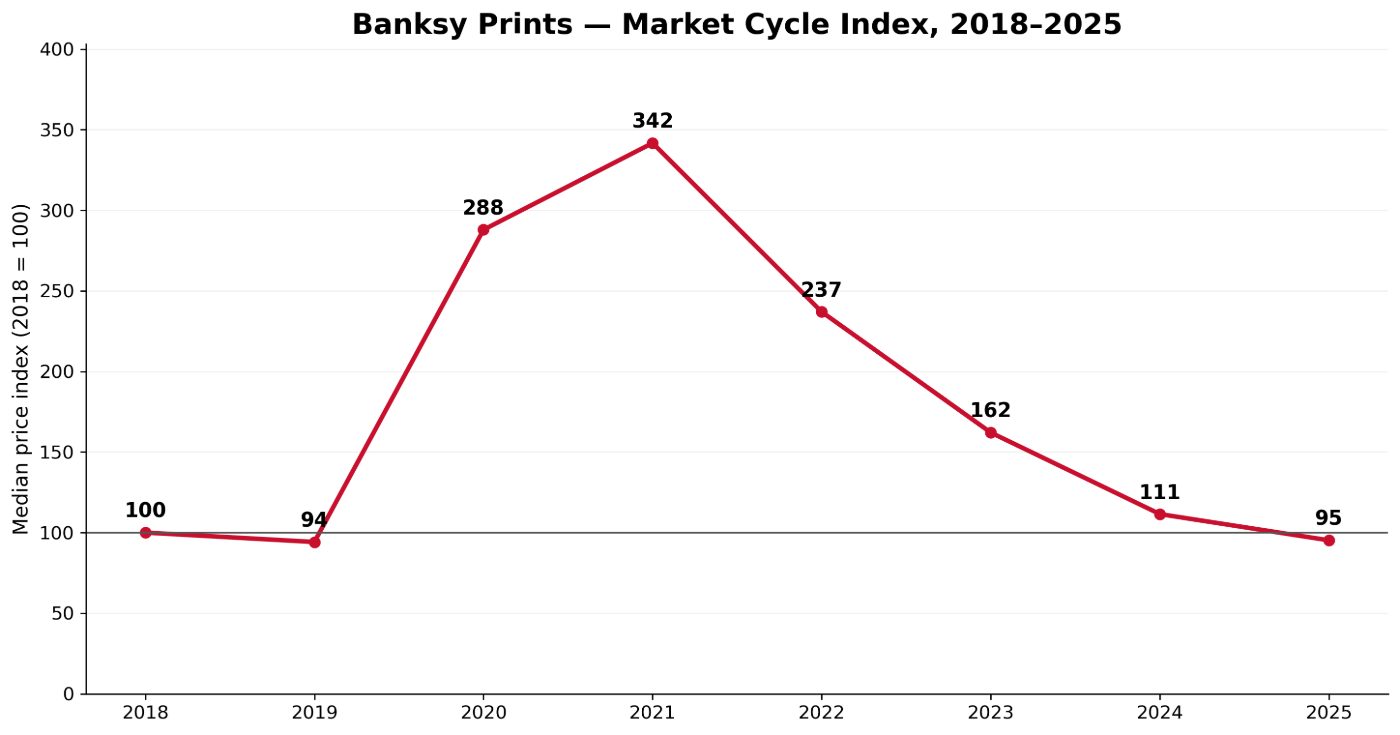
The historical picture is therefore not simply one of value destruction. The market experienced an extraordinary repricing between 2019 and 2021 that proved unsustainable. The correction since then has progressively returned valuations toward the levels from which that expansion began.
Aggregate figures conceal considerable differences between individual images. Banksy's print market is not homogeneous, and the correction has progressively reinforced distinctions between images that had temporarily become compressed during the boom.
During 2020 and 2021, demand expanded so rapidly that almost every established Banksy edition appreciated. Scarcity itself became valuable, while distinctions based on cultural importance, imagery, edition size and long-term collector demand were sometimes overwhelmed by the volume of capital entering the market.
The correction reversed this process. As speculative demand diminished, collectors became more discriminating. Iconic images, rare colorways and works with established cultural significance generally retained a greater proportion of their value, while many more secondary images returned much closer to pre-boom pricing.
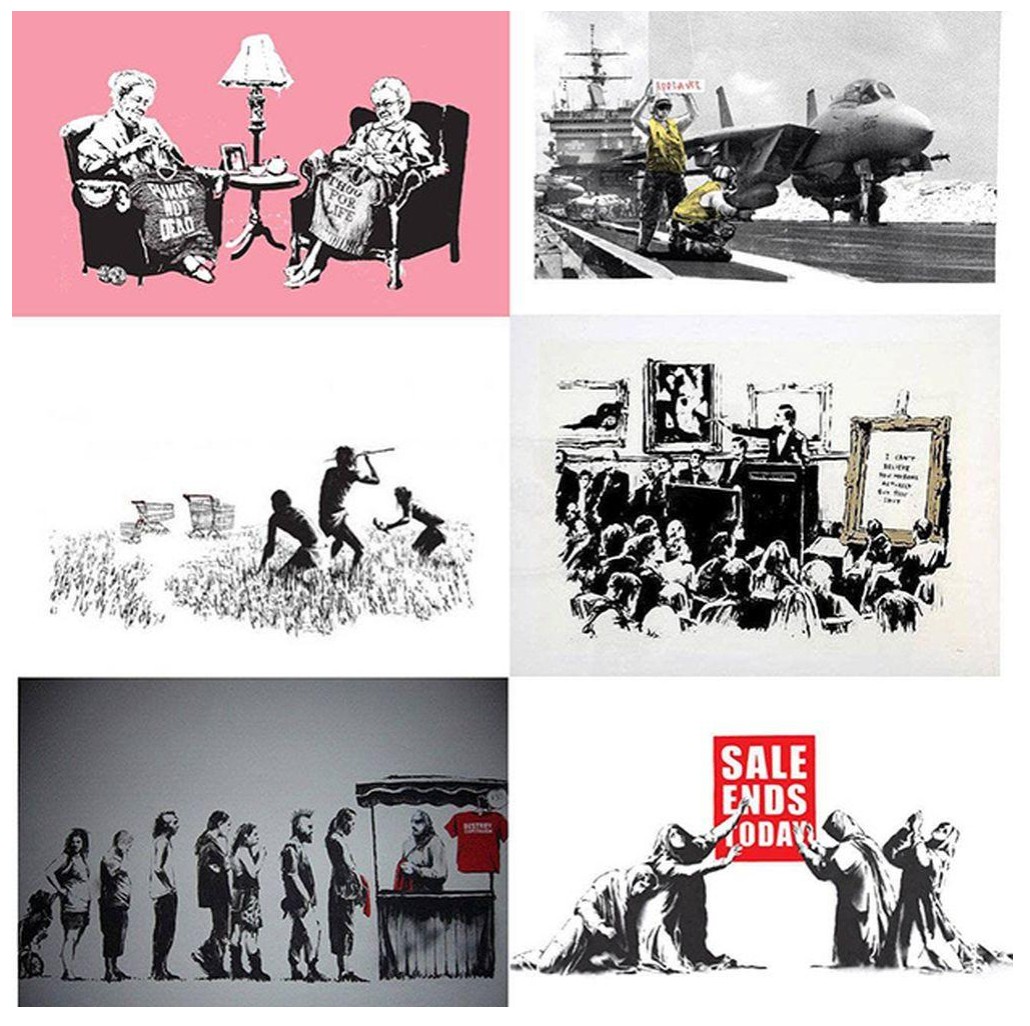
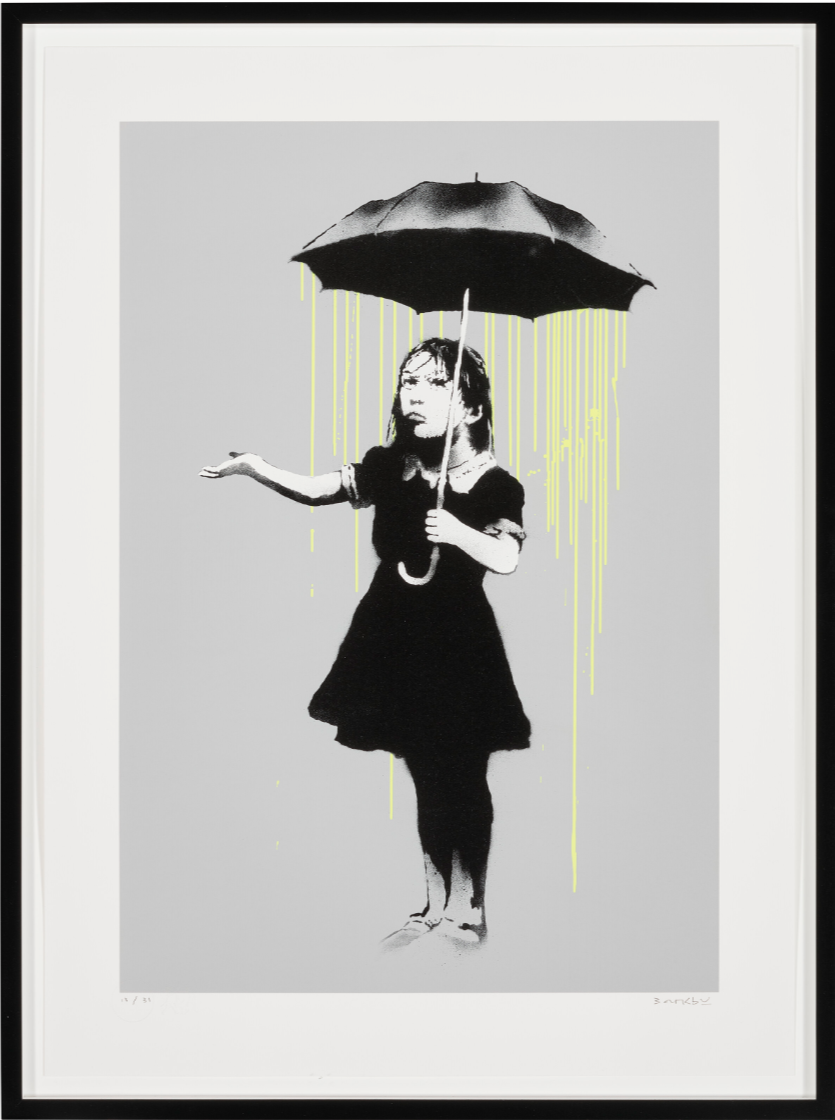
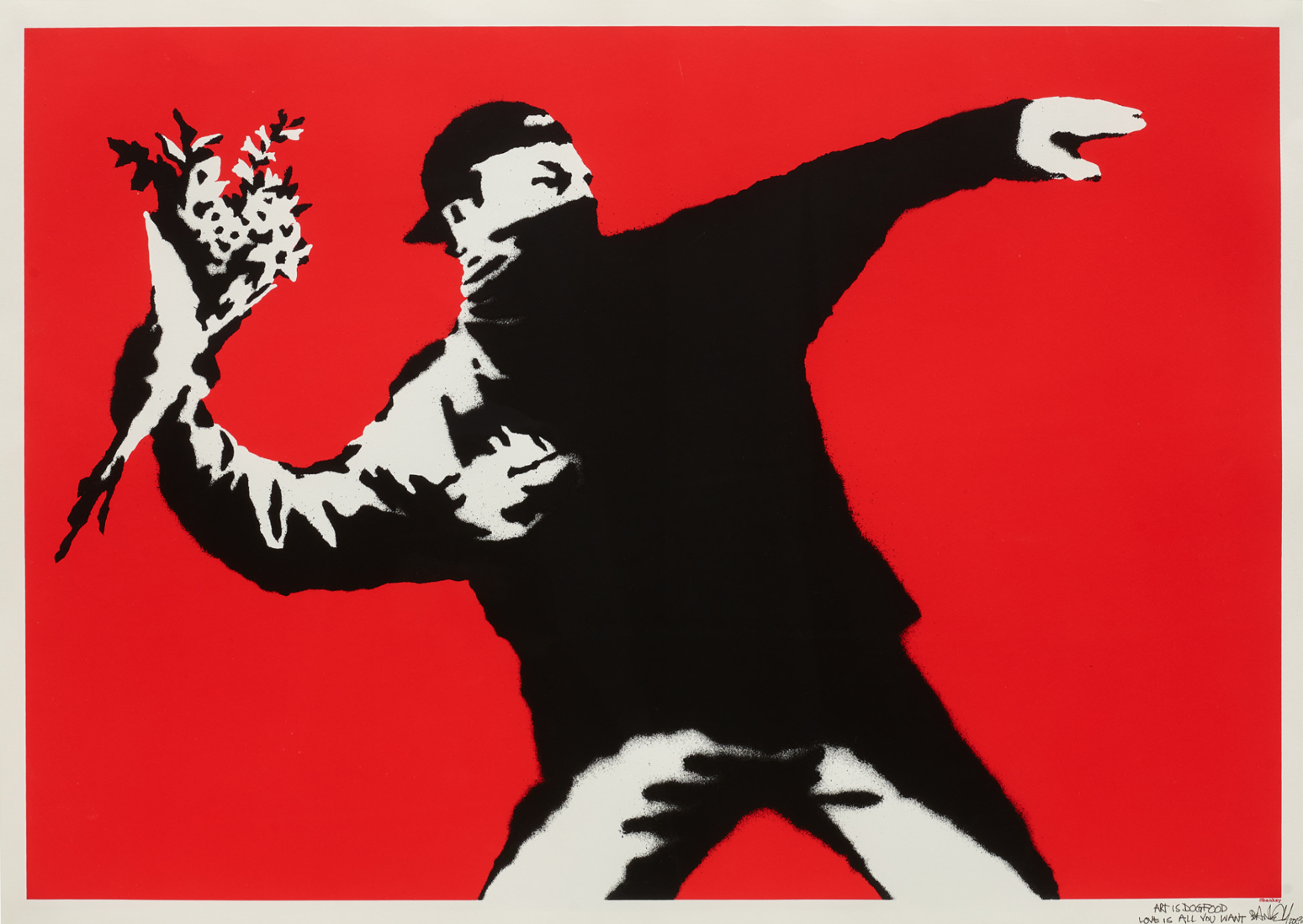
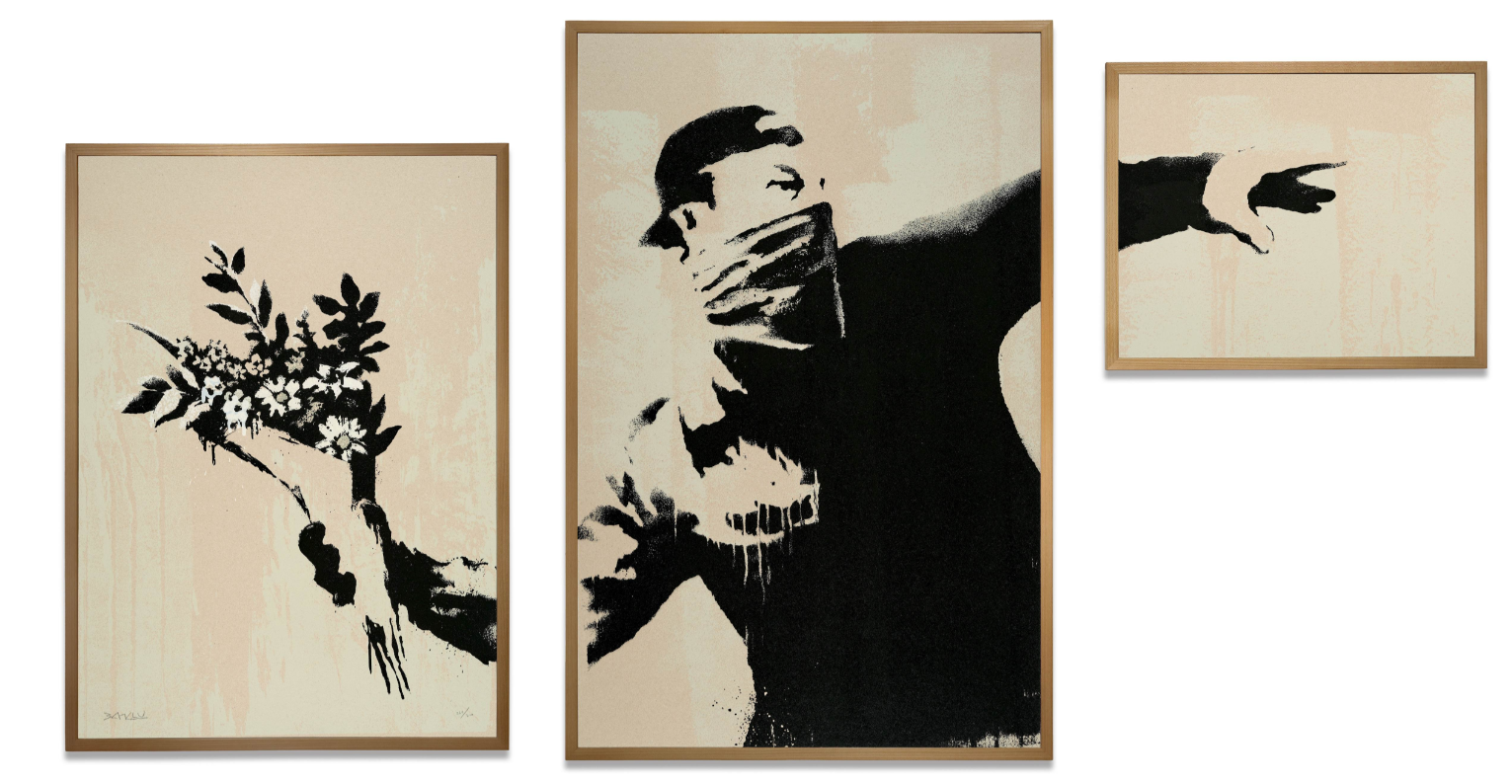
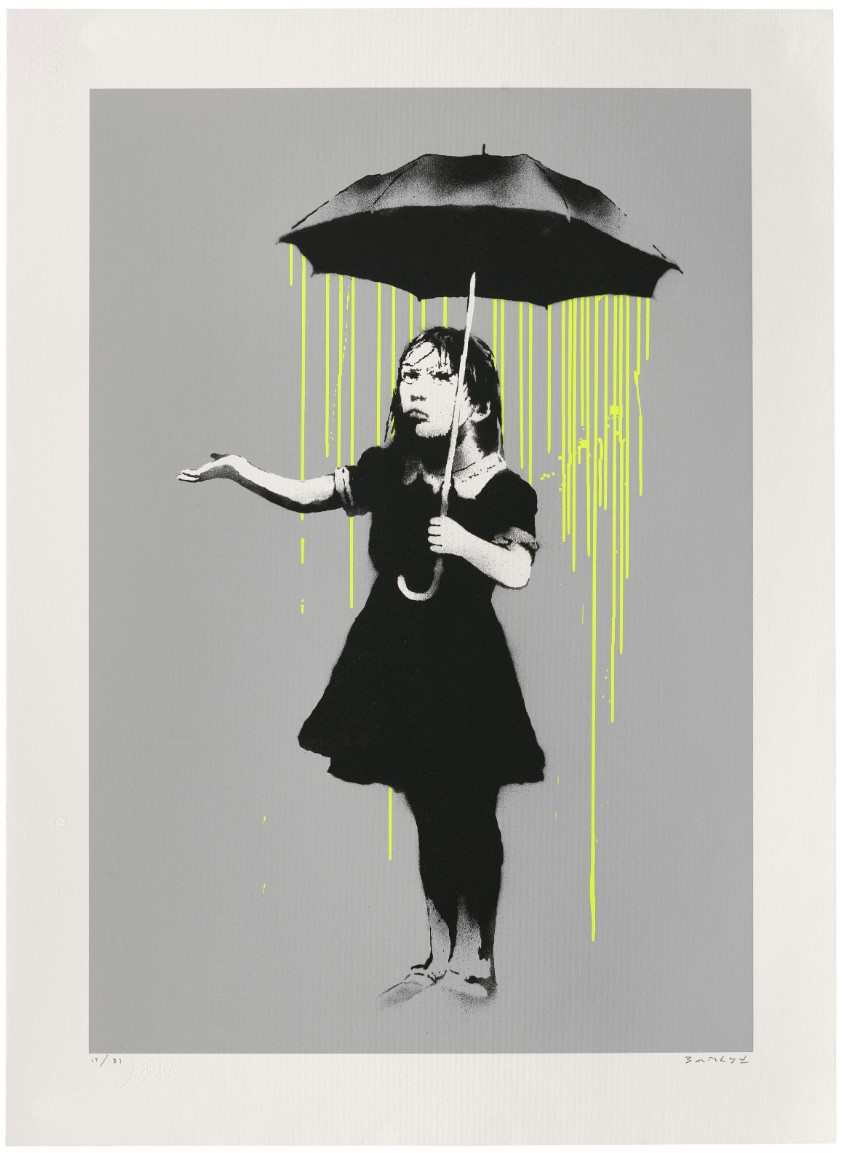
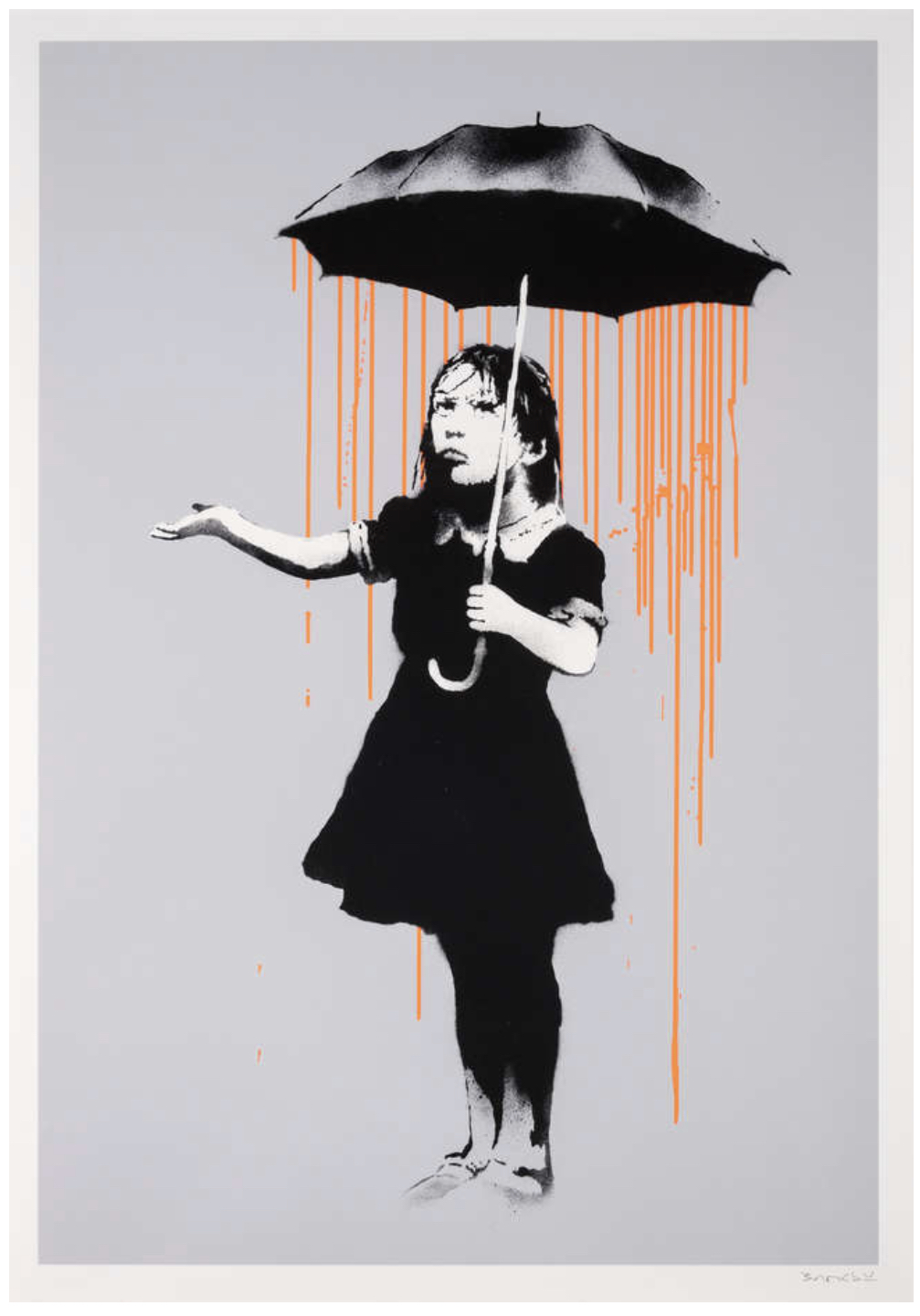
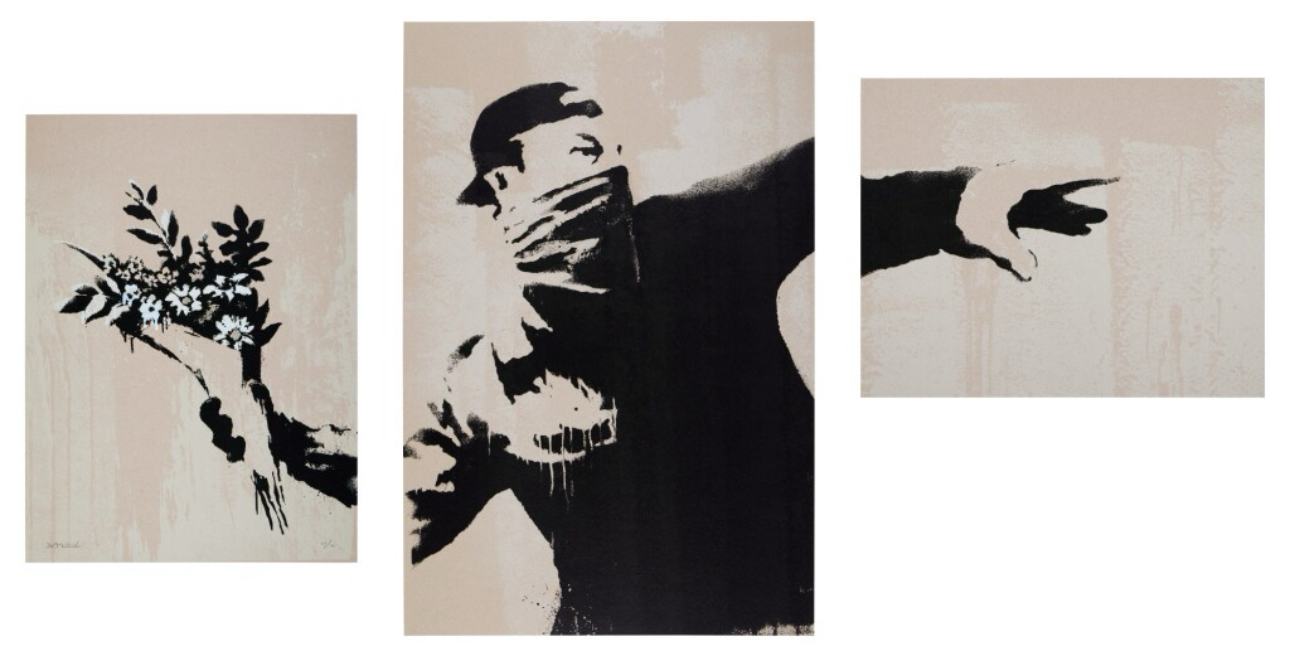
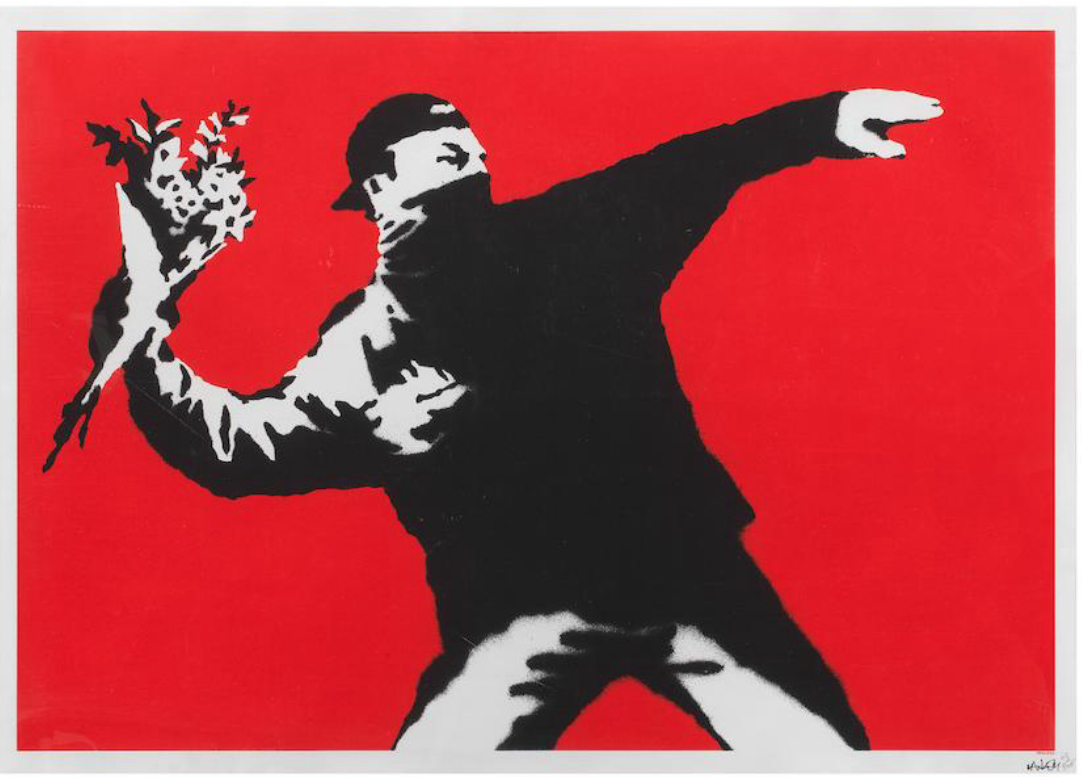
This distinction is critical when analysing Banksy prints. A general market index can describe the direction of the market, but it cannot adequately describe the relative behavior of Girl with Balloon, Love Is in the Air, Choose Your Weapon, Barcode, HMV, Napalm or the numerous rarer color variants and artist's proofs. Increasingly, the Banksy print market should be understood as a collection of individual sub-markets rather than a single uniform asset class.
The distinction between signed and unsigned impressions remains one of the defining characteristics of the Banksy editions market. Both segments participated fully in the expansion and both subsequently corrected, although their trajectories were not identical.
The median signed print sold for approximately $32,055 in 2018, rising to $36,460 in 2019, $81,032 in 2020 and a peak of approximately $108,838 in 2021. By 2022 the signed median had declined to $91,330, followed by $56,630 in 2023, $47,880 in 2024 and approximately $37,910 in 2025.
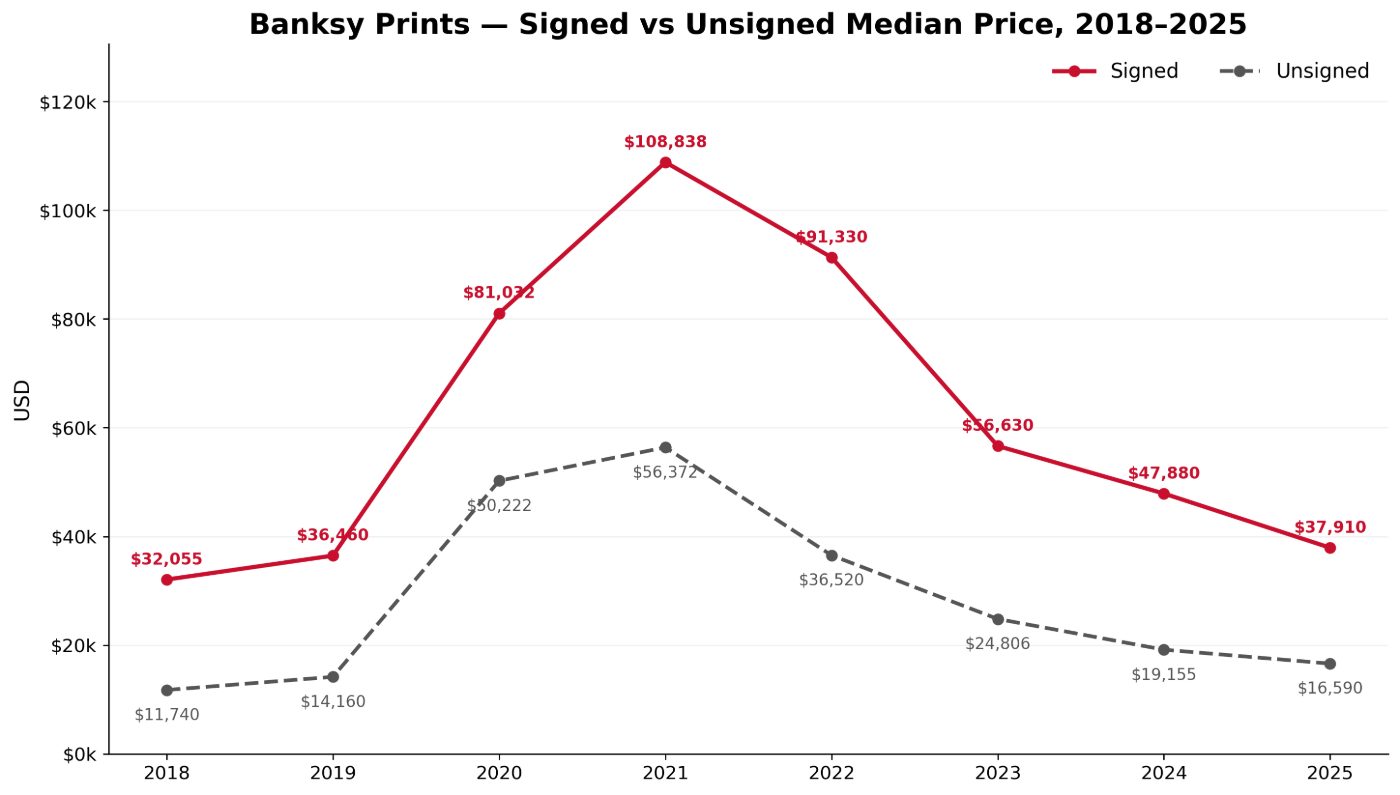
Unsigned prints followed an even more dramatic cycle. Their median increased from approximately $11,740 in 2018 and $14,160 in 2019 to $50,222 in 2020 and $56,372 in 2021. It subsequently declined to $36,520 in 2022, $24,806 in 2023, $19,155 in 2024 and approximately $16,590 in 2025.
From the 2021 peak to 2025, signed median prices therefore declined by approximately 65%, while unsigned median prices fell by approximately 71%. However, both remained above their respective 2018 medians in 2025. Signed prints were approximately 18% above 2018 levels and unsigned prints approximately 41% above them.
The longer history also shows how unusual the boom became. During the strongest phase of the market, rapidly rising demand for accessible Banksy works compressed the relative premium attached to signatures. As the market normalized, that hierarchy began to reassert itself. By 2025, the median signed print once again traded at well over twice the median value of an unsigned impression.
The severity of the post-2021 correction varies considerably by image. Among title-and-signature combinations with sufficient transactions to make comparison meaningful, some of the sharpest median declines between 2021 and 2025 occurred in Love Is in the Air unsigned, Napalm signed, Applause unsigned, Barcode unsigned, Queen Vic unsigned, Bomb Love unsigned, Police Kids, Flying Copper unsigned and Golf Sale unsigned.
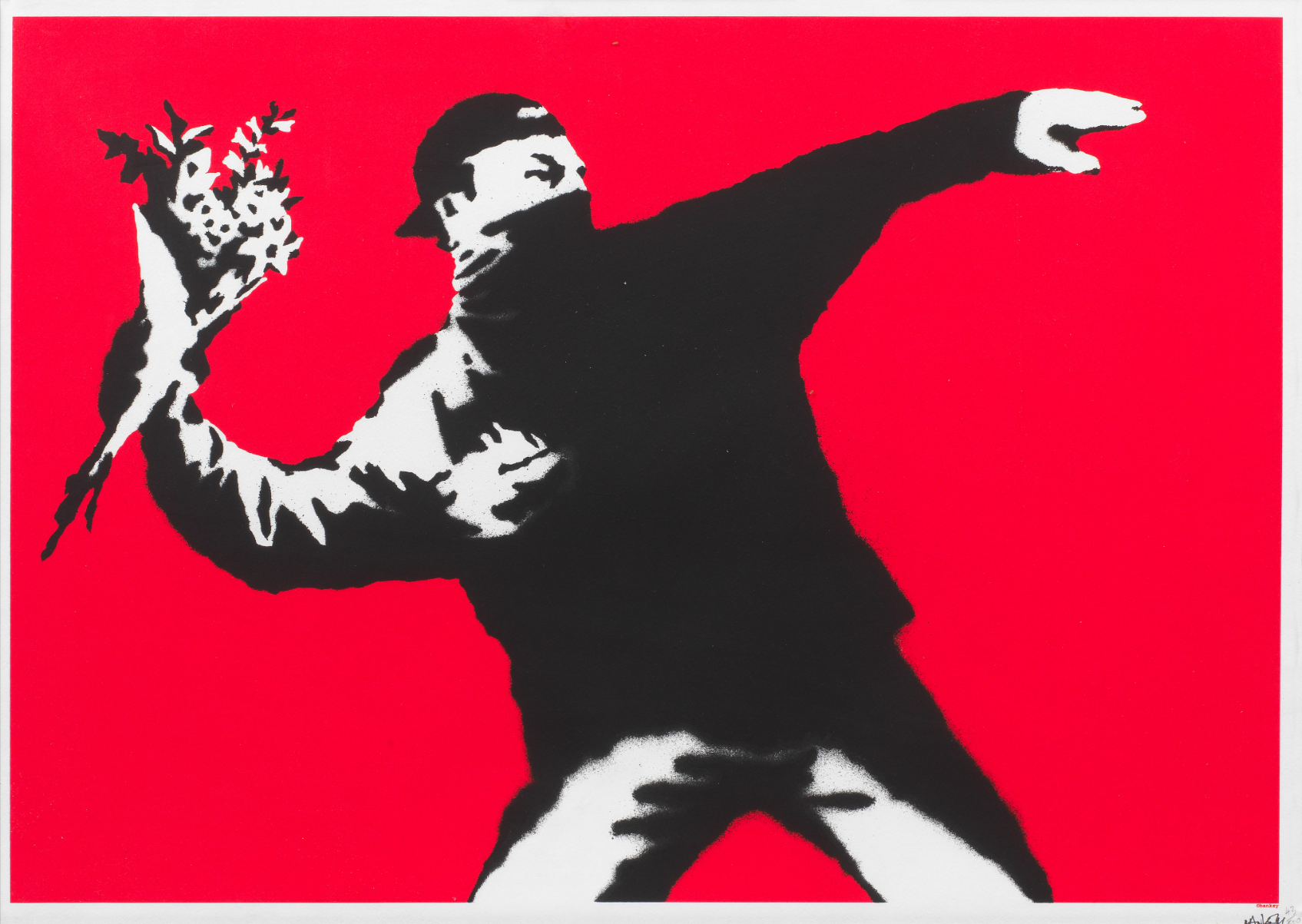
Several of these segments lost approximately three quarters or more of their 2021 median value. Love Is in the Air unsigned provides an extreme example within the dataset: its median fell from approximately $163,800 in 2021 to roughly $31,200 in 2025.
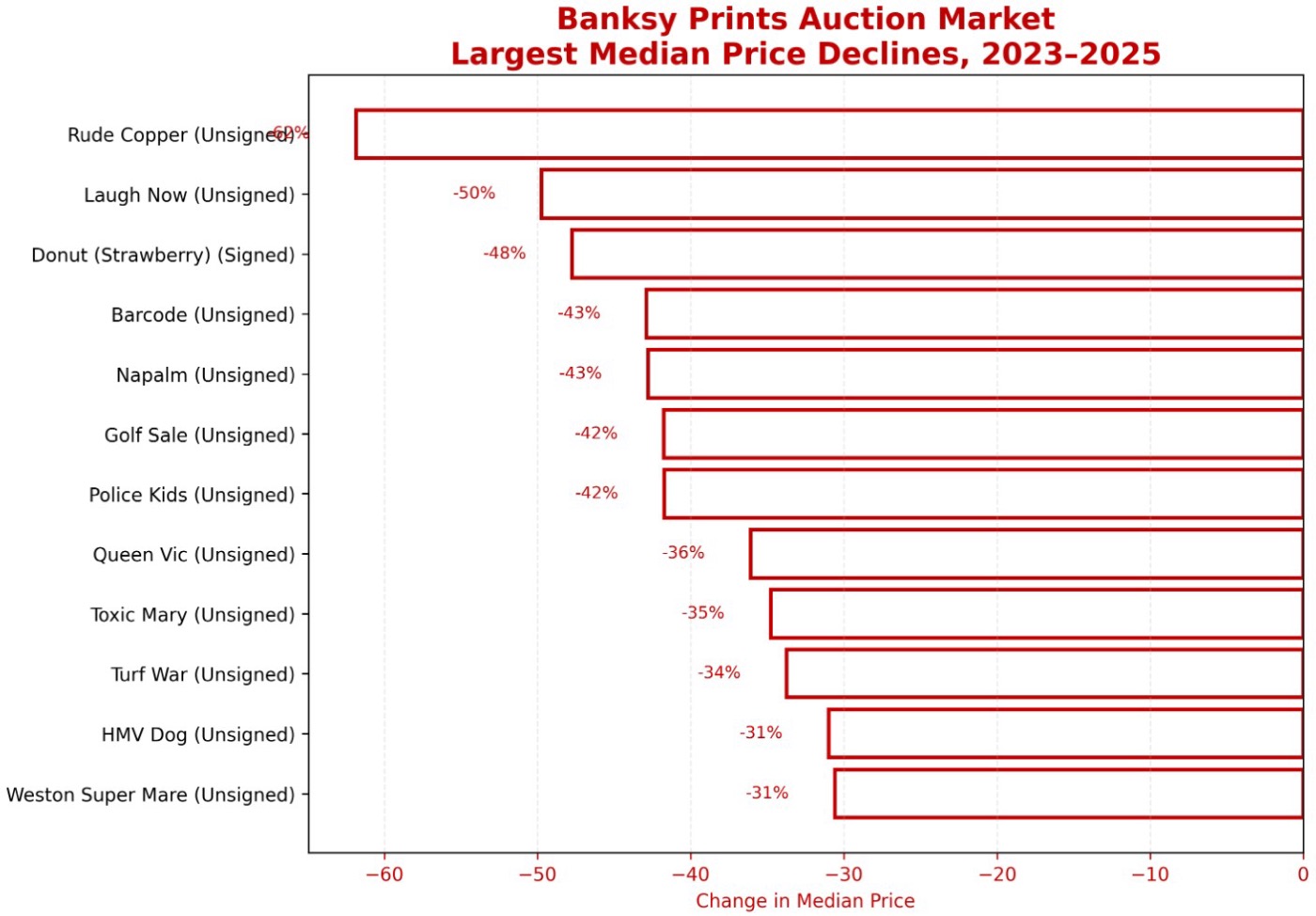
Such figures require careful interpretation. They do not necessarily indicate declining cultural relevance or weakness in the underlying image. Rather, they reveal how far certain prices had moved during the peak of the cycle. In 2021, demand frequently outran the historical pricing relationships between different editions. The subsequent correction has been as much about restoring those relationships as about a general withdrawal of demand.
The most severe percentage losses are therefore frequently found among works that experienced the greatest speculative repricing during 2020 and 2021.
Resilience in this context is relative. Very few sufficiently liquid Banksy print segments escaped the correction entirely. The more useful question is which works retained the greatest proportion of their 2021 valuations.
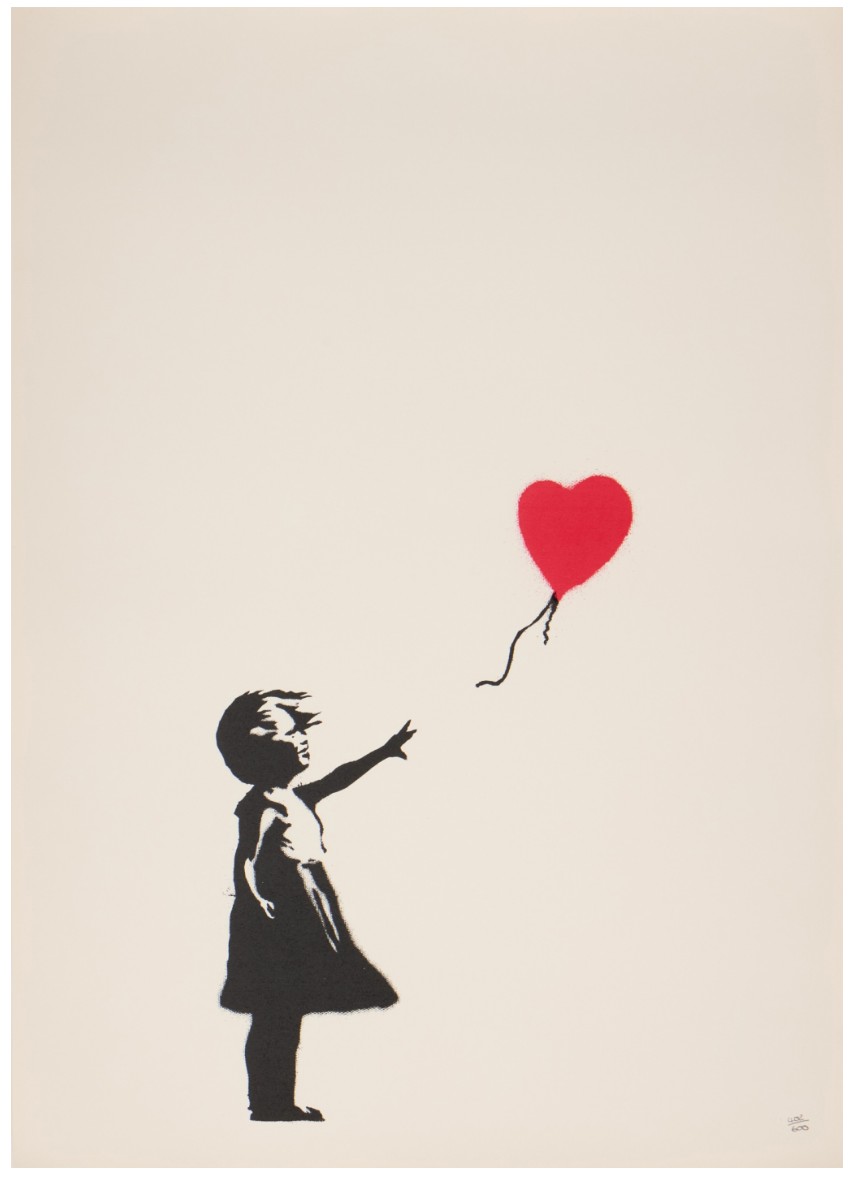
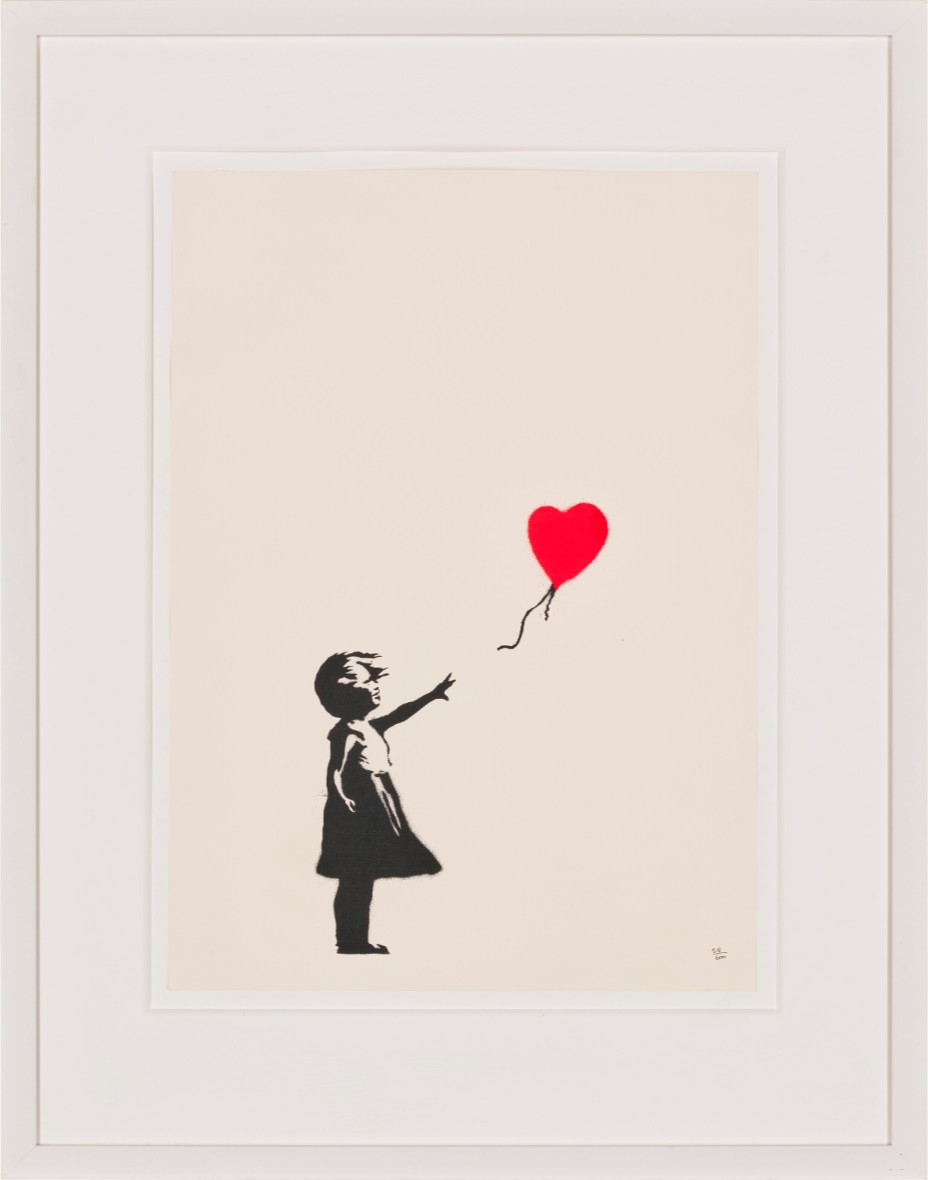
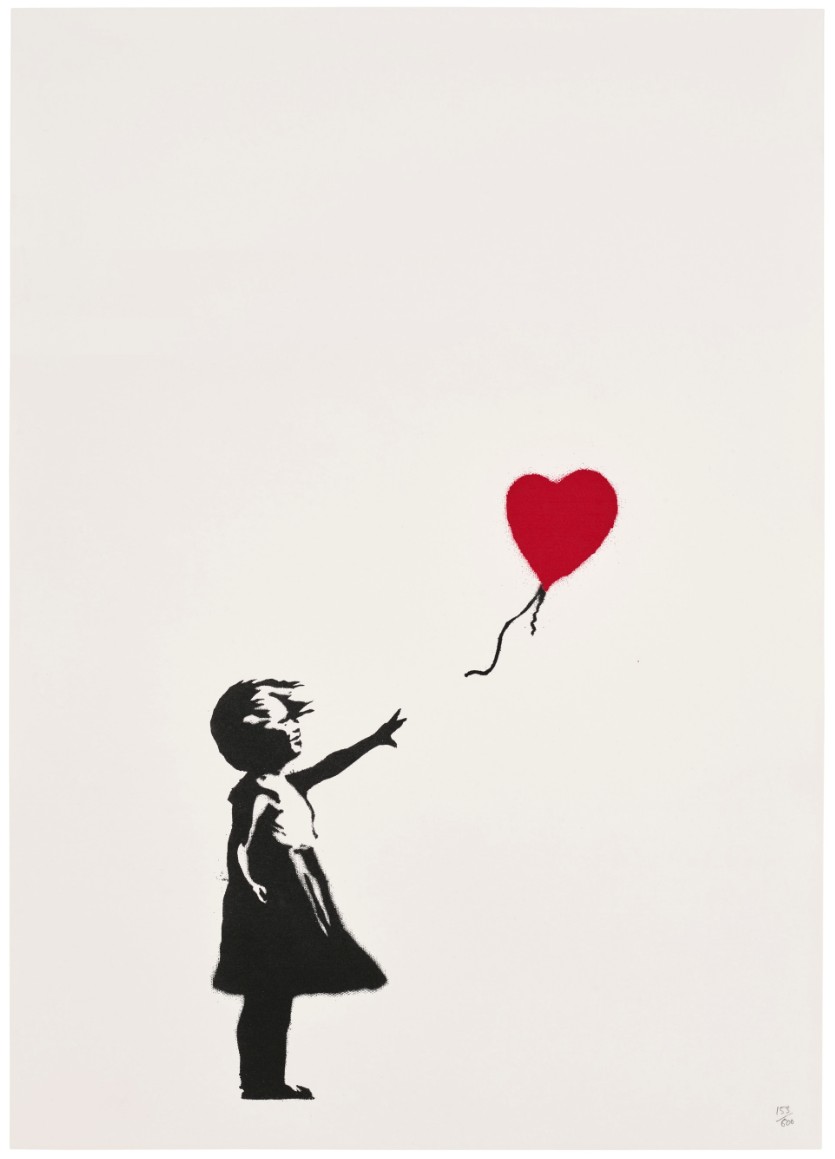
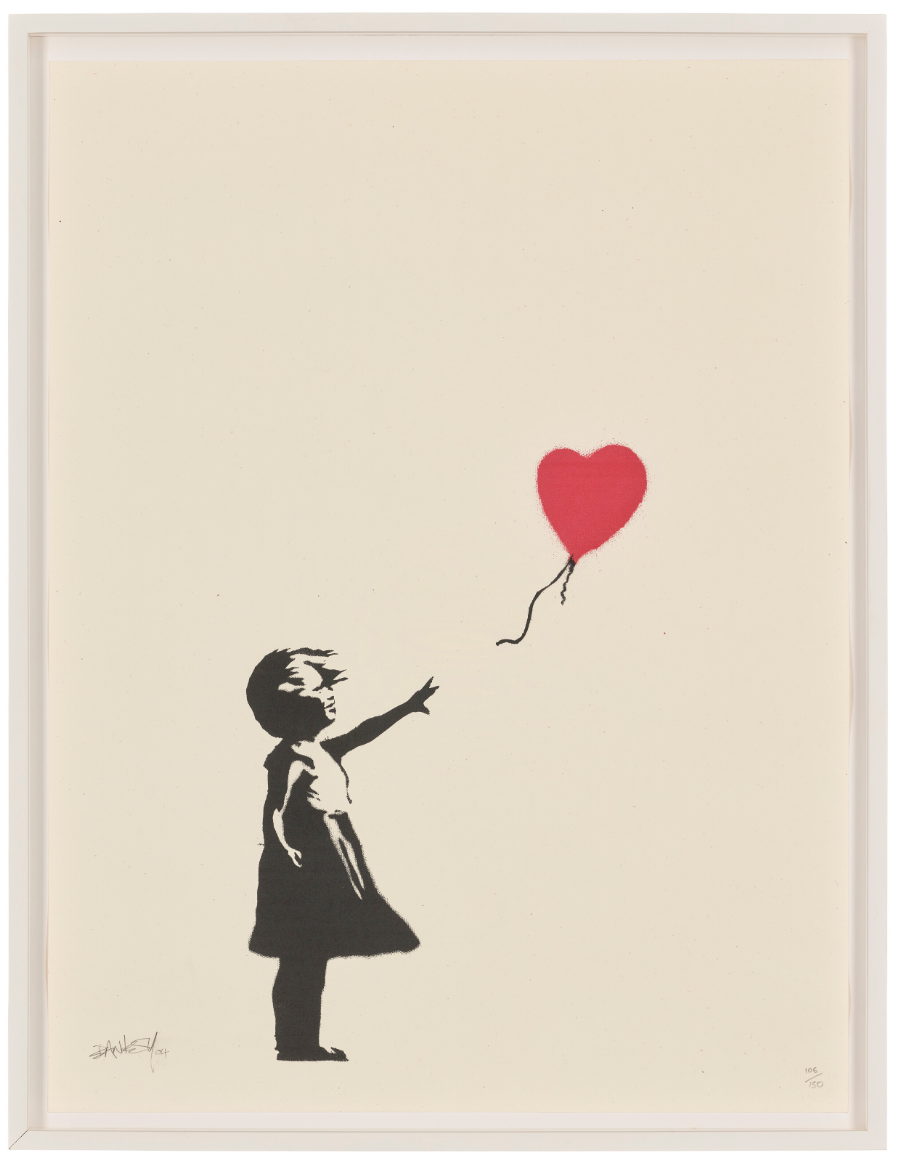
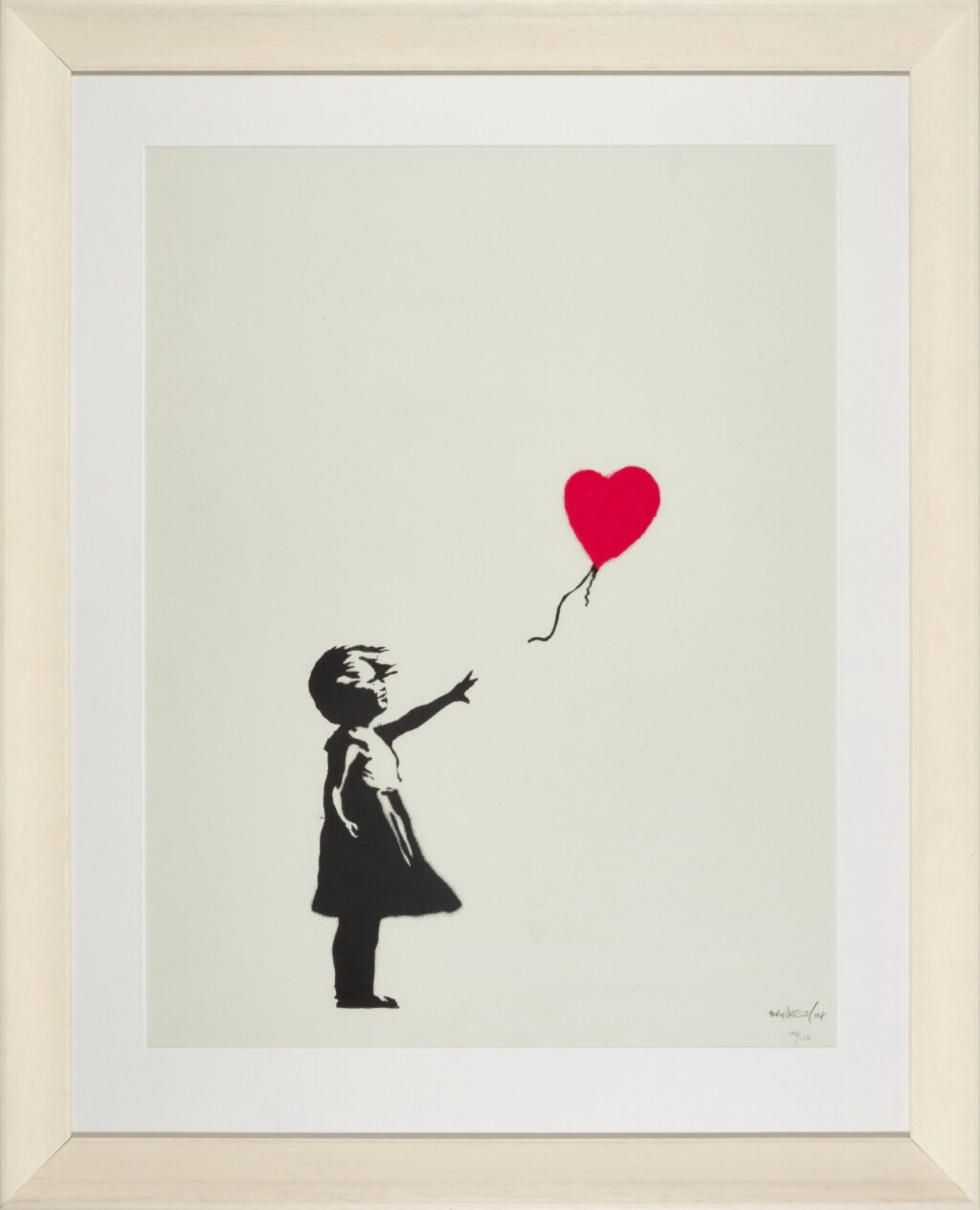
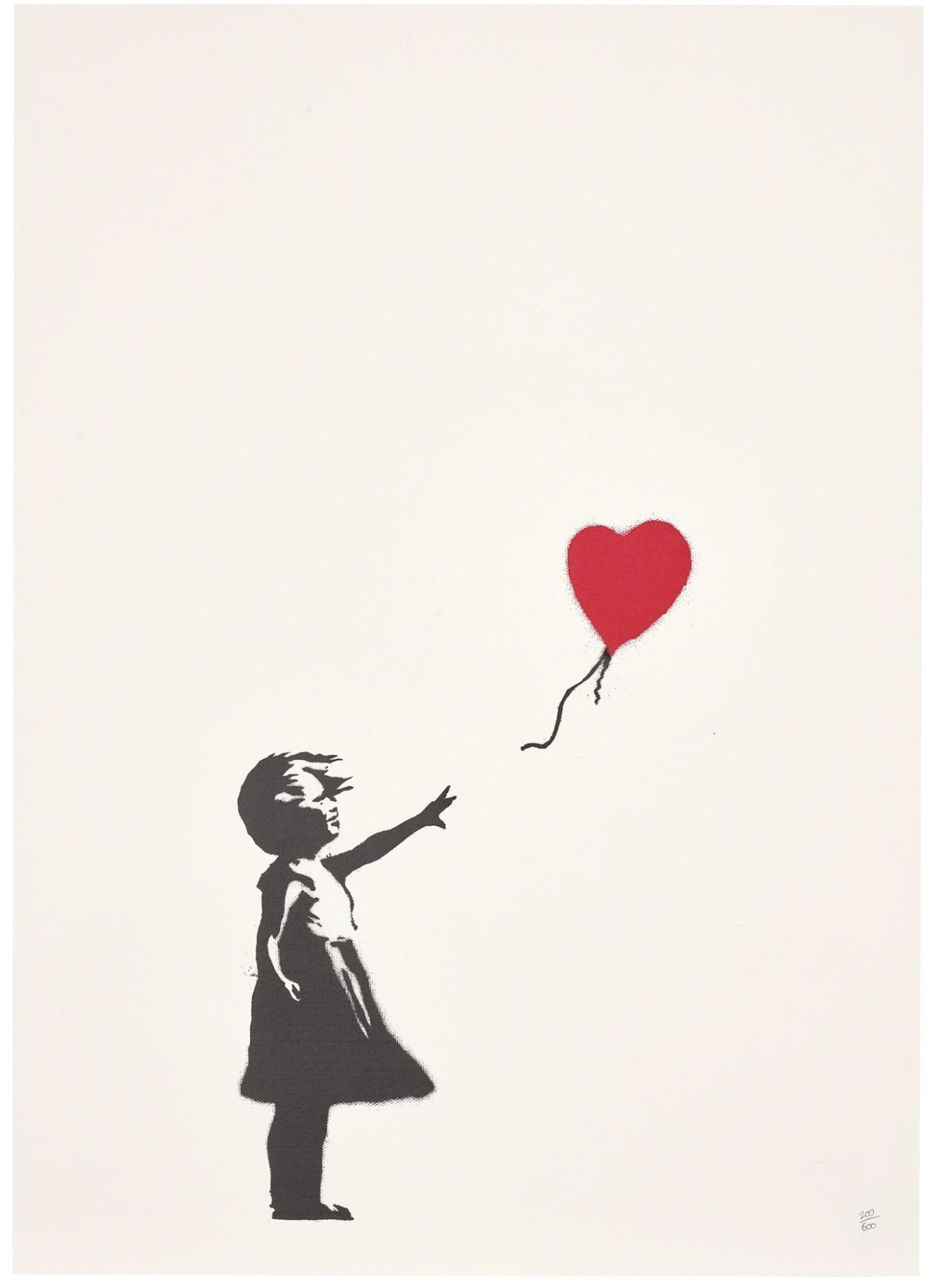
Once again, Girl with Balloon stands apart. The median unsigned impression declined from approximately $206,000 in 2021 to roughly $107,000 in 2025. A decline approaching 48% is substantial, but it represents considerably stronger retention than the 70–80% losses recorded across numerous other editions.
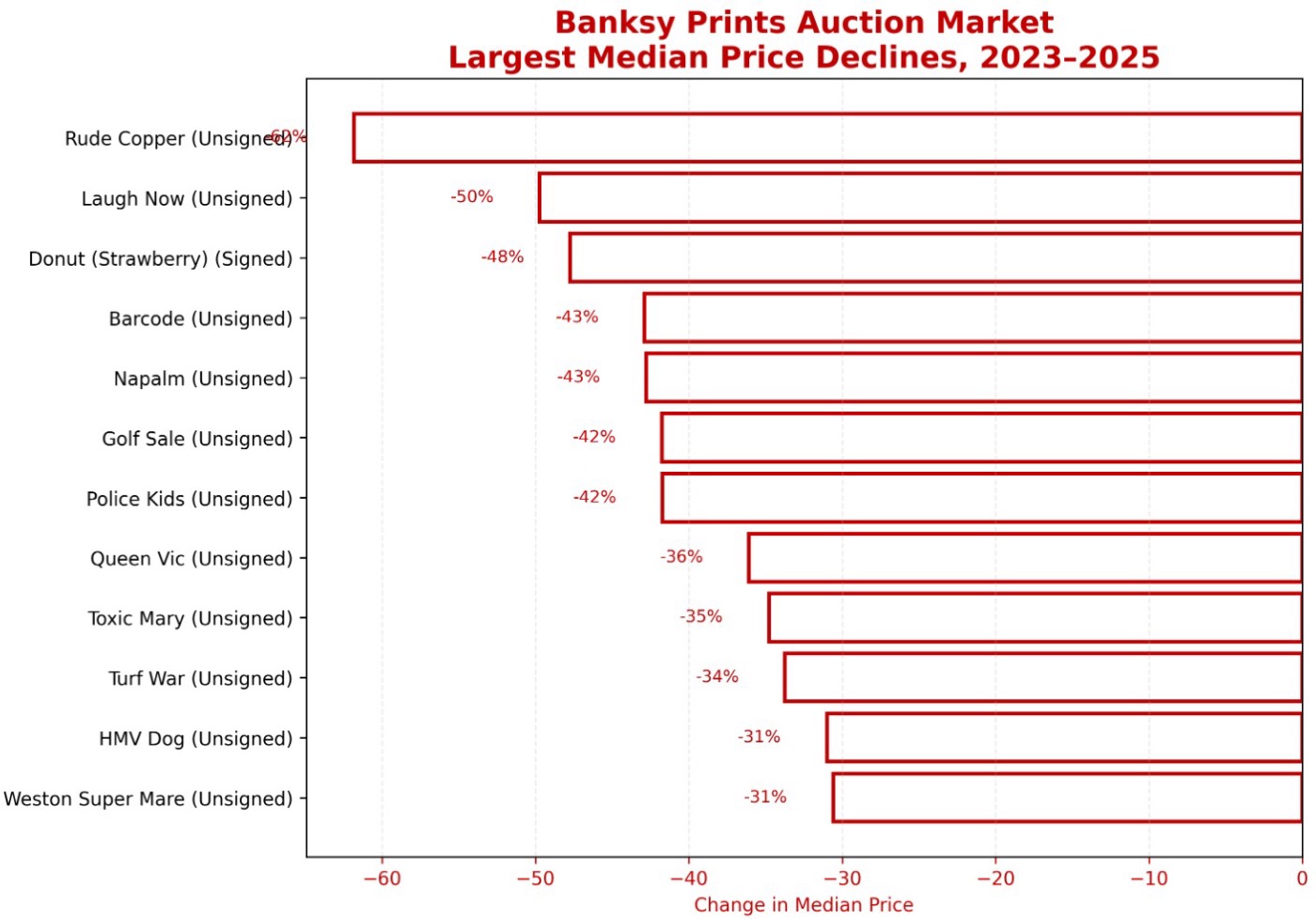
Other comparatively resilient segments include Soup Can signed, Morons unsigned, Love Rat unsigned and Trolleys signed, although comparisons involving smaller annual samples should be interpreted with appropriate caution.
The importance of Girl with Balloon is particularly revealing. It combines four characteristics that rarely coexist within a single Banksy print: exceptional cultural recognition, strong recurring liquidity, finite supply and sustained demand across several different categories of collector. It consequently behaves not simply as another Banksy edition but increasingly as the benchmark against which the upper end of the print market is measured.
The correction has therefore reinforced rather than erased the hierarchy between Banksy's images.
Liquidity is one of the defining strengths of the Banksy print market. Between 2018 and 2025, numerous editions generated dozens of completed public auction transactions, creating a depth of comparable pricing rarely available for contemporary prints.
Girl with Balloon is the most obvious example, with more than one hundred completed transactions across signed and unsigned impressions in the database. Other particularly active titles include Trolleys, Morons, Flag, Happy Chopper, Toxic Mary, Police Kids, Napalm, Pulp Fiction, I Fought the Law, Donut, Soup Can, Bomb Love, Love Rat, Love Is in the Air, Laugh Now, HMV, Flying Copper and Barcode.
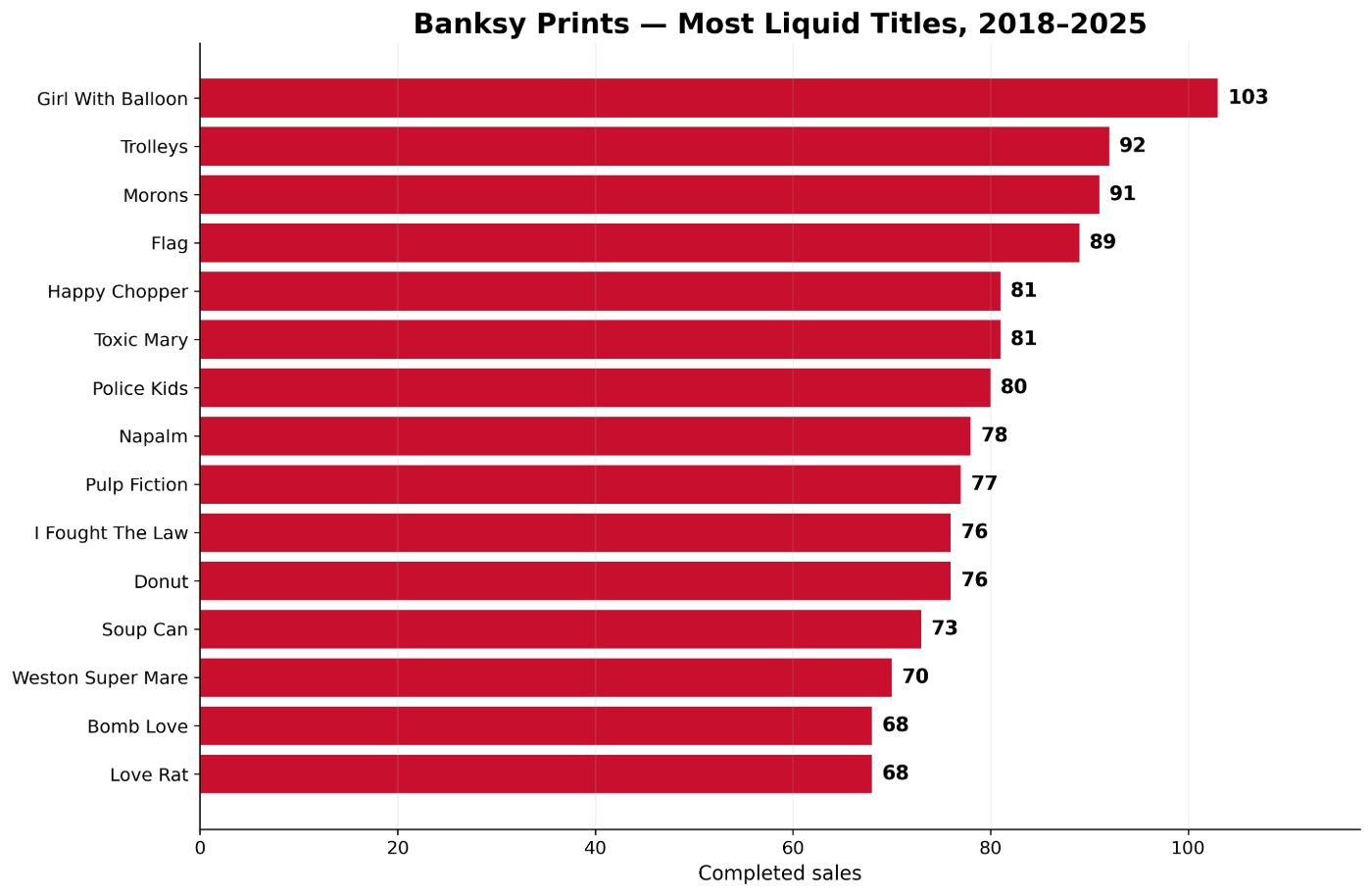
Liquidity matters for several reasons. It improves price discovery, gives collectors more opportunities to enter and exit positions, and reduces dependence upon a single exceptional auction result when assessing value. It also allows changes in market sentiment to become visible more quickly.
The 2021 peak demonstrated the other side of liquidity: when demand accelerates rapidly, a highly transactable market can reprice with extraordinary speed. The subsequent correction has shown the same mechanism operating in reverse.
What distinguishes the mature Banksy print market in 2025 from the much smaller market of 2018 is therefore not simply price. The infrastructure through which these works circulate has become considerably deeper, more international and more sophisticated.
The auction market for Banksy prints is distributed across an unusually broad group of international and specialist houses. Between 2018 and 2025, Forum Auctions represented approximately 24% of all completed transactions recorded in the database, making it the largest individual source of print-market liquidity by number of sales.
When the various sales channels and locations are consolidated, Sotheby's accounted for approximately 16% of completed transactions, followed by Tate Ward and Bonhams at approximately 11% each, Christie's at approximately 11% and Phillips at approximately 6%. SBI Art Auction, Artnet, Heritage, International Art Center, Chiswick, Roseberys, Artcurial, Digard and Mallet Japan form part of a substantial second tier of recurring market participants.
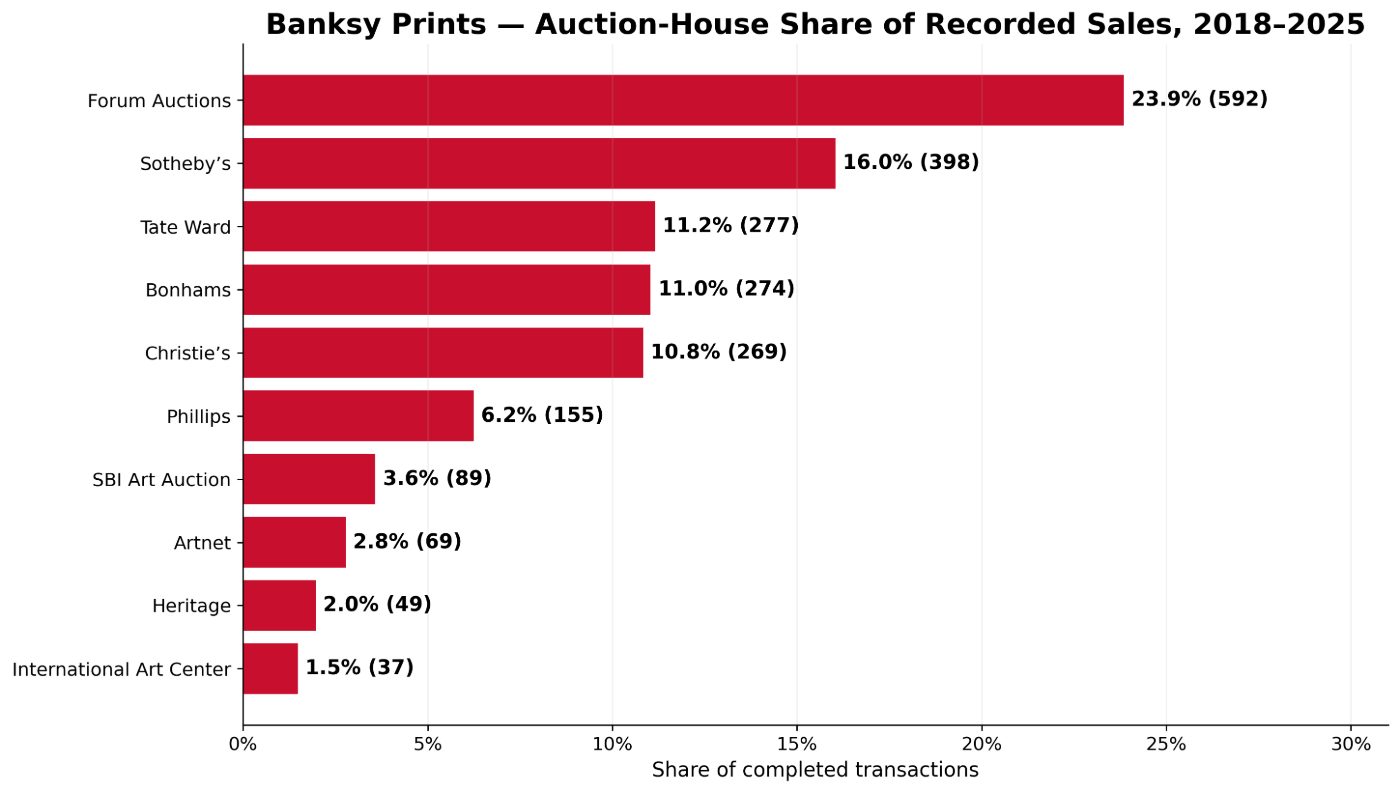
Turnover produces a different hierarchy. Forum remains exceptionally important, accounting for approximately 22.5% of the total recorded value, but Sotheby's rises to approximately 20%, Christie's to 14%, Bonhams to 11% and Phillips to approximately 8%. The difference between transaction share and value share reveals the distinct functions performed by different auction houses.
Specialist houses such as Forum and Tate Ward have been particularly important in generating recurring transactions and liquidity, while Sotheby's, Christie's and Phillips capture a disproportionate share of higher-value editions, rare colorways, artist's proofs and exceptional impressions.
Asia has also become increasingly relevant. SBI Art Auction alone accounted for approximately 3.6% of recorded transactions during the period, while Mallet Japan and other Japanese auction houses contribute additional activity. Hong Kong sales conducted by the international houses further reinforce the importance of Asian demand.
A complete analysis of auction-house market shares, geographical development and the distinction between liquidity and turnover will be developed separately within Banksy Explained's broader analysis of the Banksy auction market.
The full 2018–2025 history divides naturally into four phases.
2018–2019 represented the established pre-boom market. Banksy already possessed an active international collector base, but prices and transaction volumes remained comparatively moderate. Median prices hovered around $20,000 and annual turnover remained below $9 million.
2020–2021 marked the acceleration and peak. Transaction volume expanded dramatically while prices rose even faster. The median price approximately tripled between 2019 and 2020, and by 2021 annual turnover had reached almost $59 million. Banksy's broader cultural visibility, the rapid expansion of online auctions, exceptional liquidity conditions and speculative demand combined to produce a market in which almost every established print appreciated.
2022–2023 represented the first phase of correction. Transaction volume and prices fell substantially, but valuations remained far above their pre-pandemic levels. Buyers who had entered near the peak initially remained anchored to 2021 pricing, while the gap between sellers' expectations and buyers' willingness to pay widened.
2024–2025 brought normalization. Prices continued to decline, but the character of the market changed. The overall median returned to approximately its 2018–2019 level, while annual transaction volume stabilized at just over 200 completed sales. Rather than disappearing, the market began clearing at prices that increasingly reflected distinctions between imagery, scarcity, signature status and cultural importance.
This longer perspective changes the interpretation of the correction. Between 2021 and 2025, the fall in prices was unquestionably severe. But 2021 was an extraordinary historical outlier rather than a normal valuation base. Comparing 2025 exclusively with that peak exaggerates the impression of structural decline; comparing it with 2018 and 2019 reveals a market that has largely completed a round trip in valuation while retaining a substantially more developed global trading infrastructure.
There is also an important distinction between price and market maturity. In 2018, the Banksy print market was smaller, more geographically concentrated and less transparent. By 2025, collectors could draw upon thousands of public auction comparables across specialist houses, international auctioneers, online platforms and multiple continents. Lower prices have therefore coincided with greater market depth.
The correction has also restored hierarchy. During the boom, rising demand lifted almost every image. By 2025, capital had become considerably more selective. Iconic imagery, rarity, condition, signature, provenance and edition characteristics once again exerted greater influence over price. Girl with Balloon remains the clearest example of this differentiation, combining high value with exceptional liquidity and substantially stronger retention than much of the wider market.
The Banksy print market of 2025 is consequently very different from that of 2021, but it is not necessarily weaker in structural terms. It is less speculative, less indiscriminate and considerably less expensive. For sellers whose expectations remain anchored to peak valuations, the adjustment has been painful. For collectors approaching the market today, however, the correction has restored pricing relationships and entry points that had effectively disappeared during the boom.
The defining story of 2018–2025 is therefore not simply the rise and fall of Banksy print prices. It is the transformation of a rapidly appreciating collecting category into a mature secondary market that has now experienced its first complete major cycle.
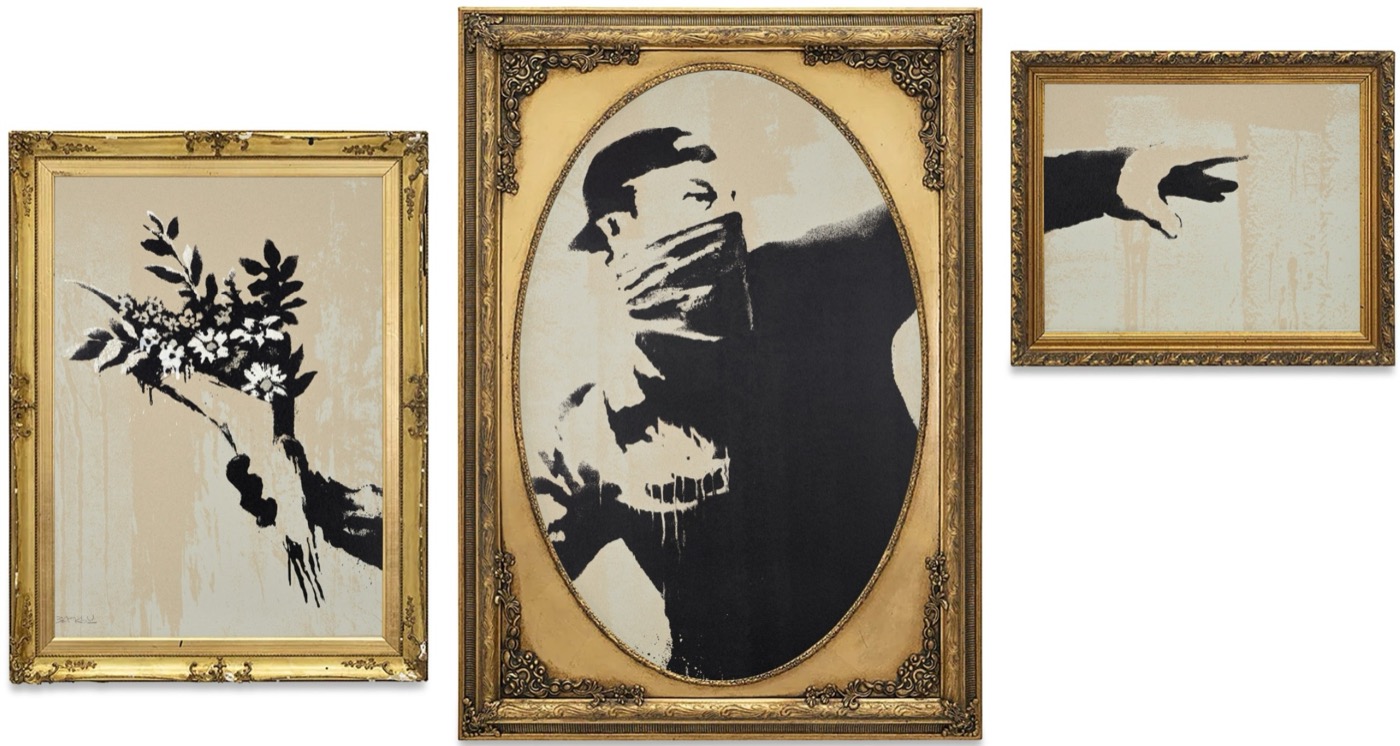
Individual print reports provide a more precise view of this evolution. Girl with Balloon, Choose Your Weapon, Love Is in the Air, Laugh Now, Donut, Pulp Fiction, HMV, Happy Chopper, Flying Copper, Barcode and other major editions each reveal different patterns of appreciation, liquidity and value retention. These individual histories are essential because the increasingly selective character of the market means that aggregate Banksy indices alone no longer provide an adequate measure of performance.
Click any image to open the work’s catalogue entry.
View in catalogue →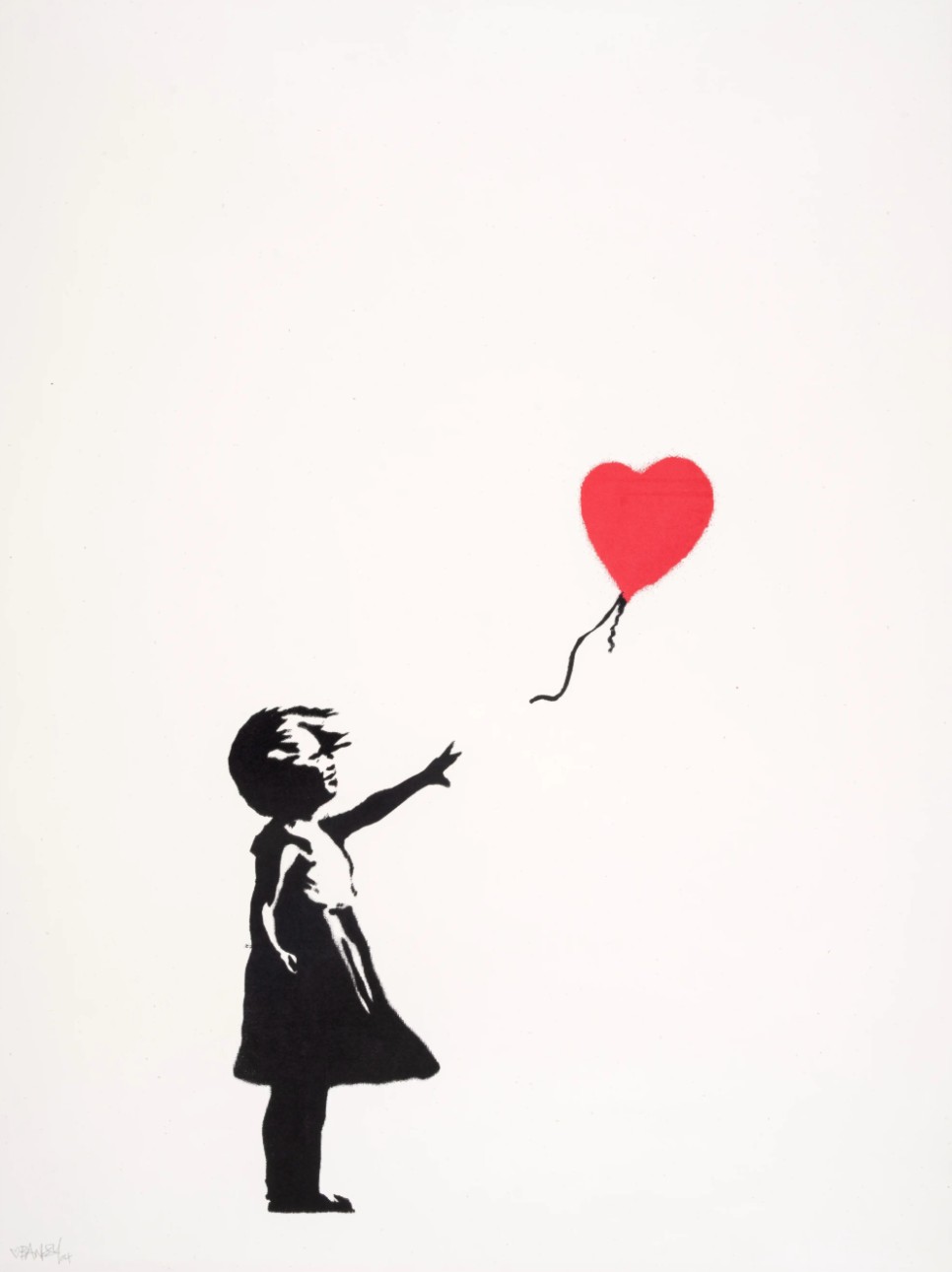 View in catalogue →
 View in catalogue →
 View in catalogue →
 View in catalogue →
 View in catalogue →
 View in catalogue →
 View in catalogue →
 View in catalogue →
 View in catalogue →
 View in catalogue →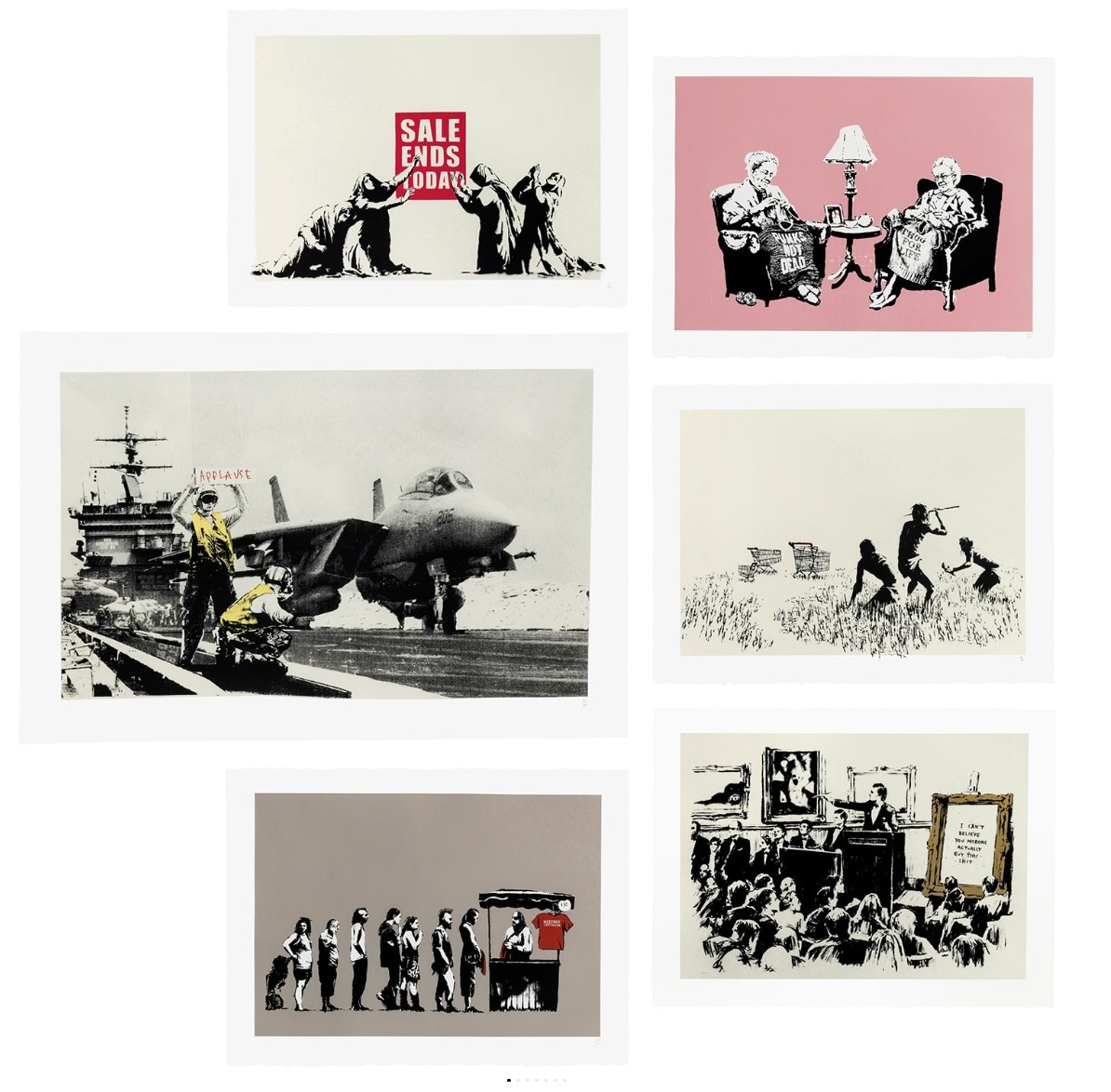
 View in catalogue →
 View in catalogue →
 View in catalogue →
Click any image to open the work’s catalogue entry.
 View in catalogue →
 View in catalogue →
 View in catalogue →
 View in catalogue →
 View in catalogue →
 View in catalogue →
 View in catalogue →
 View in catalogue →
 View in catalogue →
 View in catalogue →
 View in catalogue →
 View in catalogue →
 View in catalogue →
 View in catalogue →
 View in catalogue →
Click any image to open the work’s catalogue entry.
 View in catalogue →
 View in catalogue →
 View in catalogue →
 View in catalogue →
 View in catalogue →
 View in catalogue →
 View in catalogue →
 View in catalogue →
 View in catalogue →
 View in catalogue →
 View in catalogue →
 View in catalogue →
 View in catalogue →
 View in catalogue →
 View in catalogue →
Receive the latest news, exhibitions, artworks and market updates on Banksy.