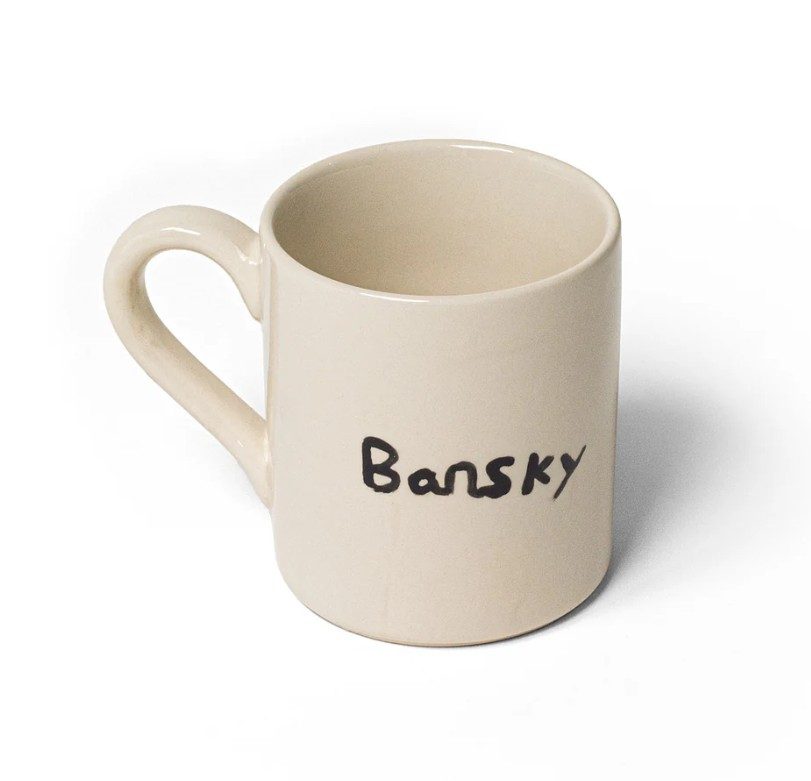
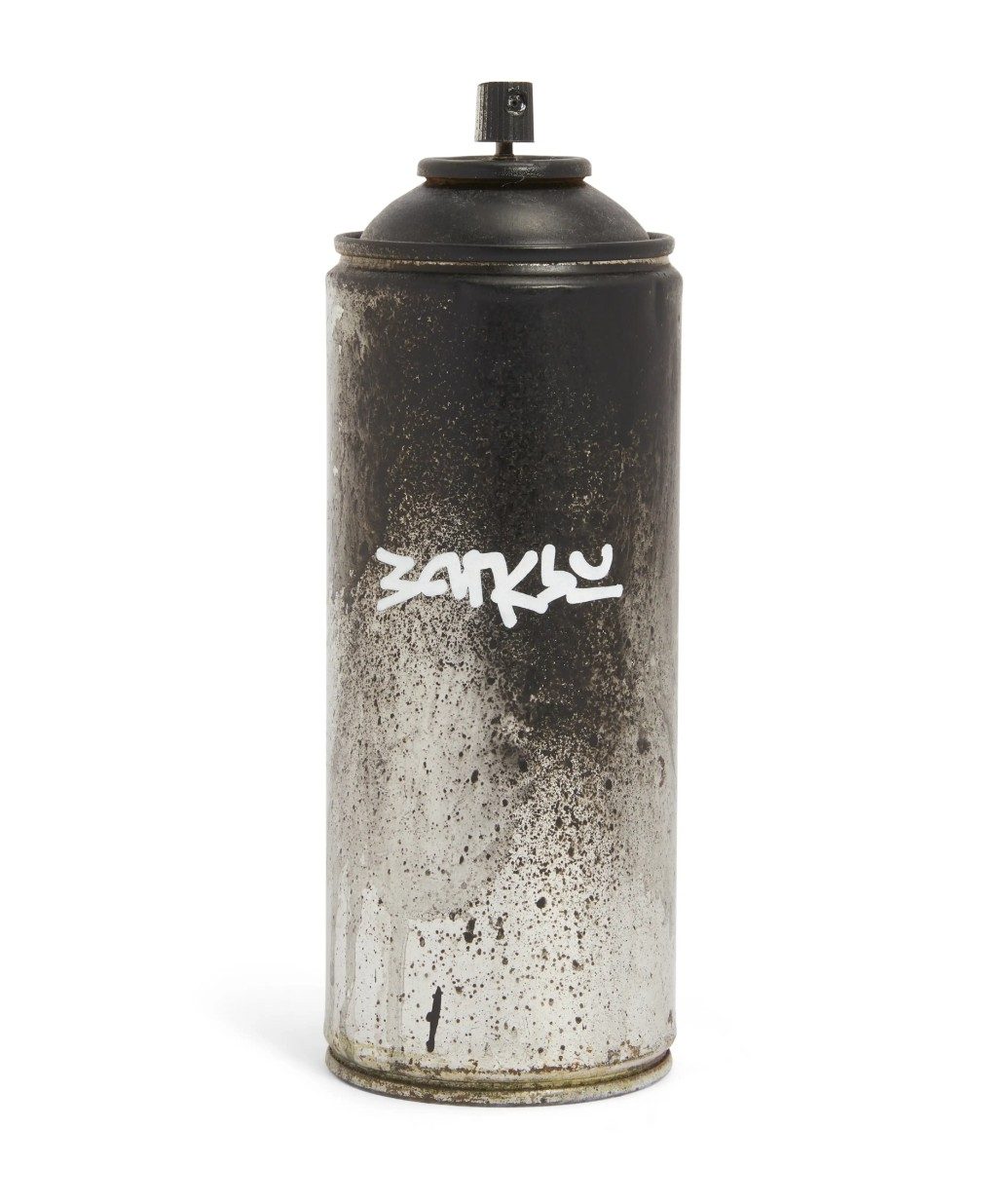
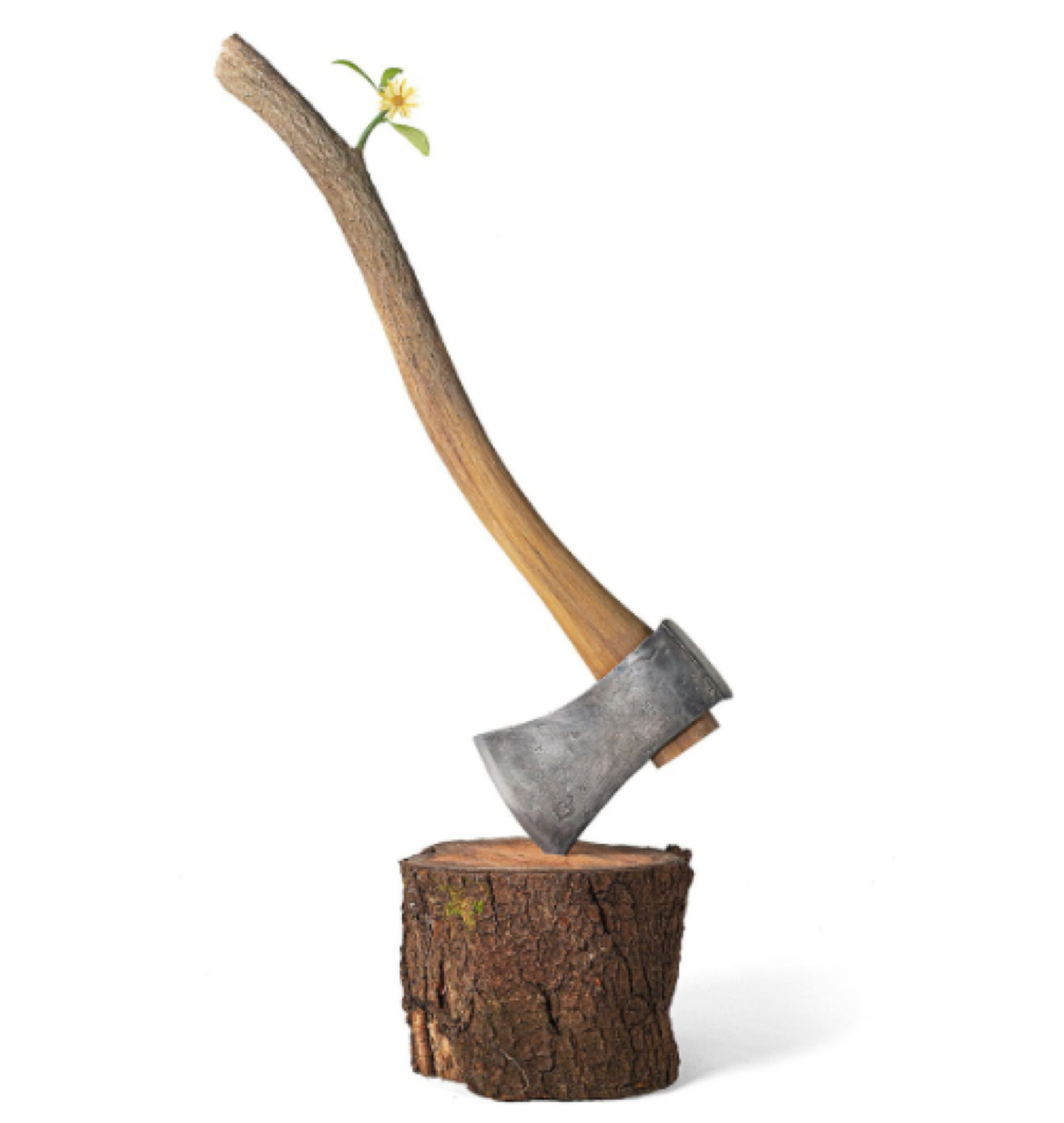
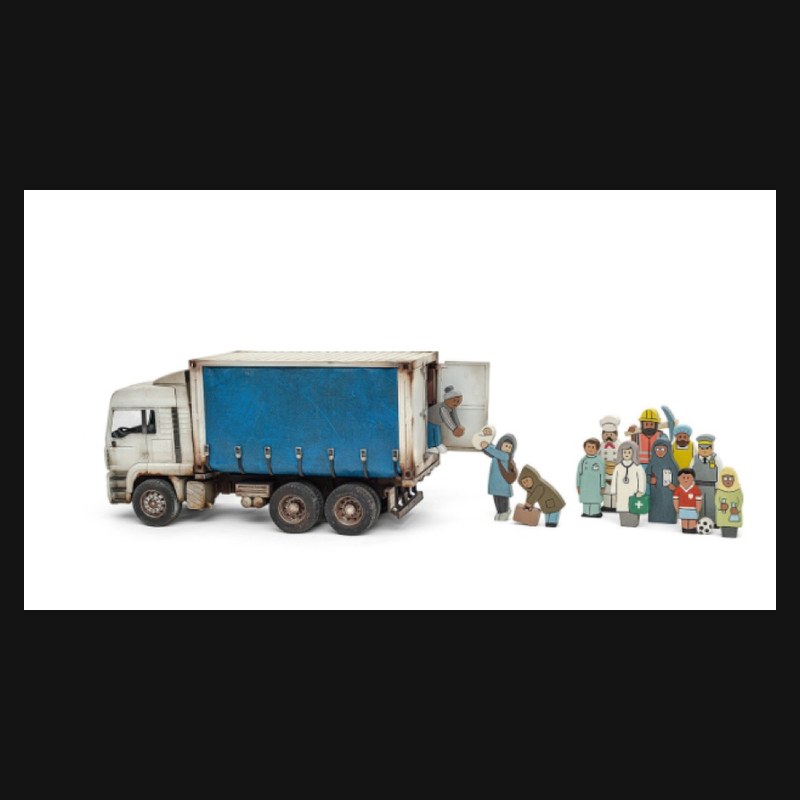
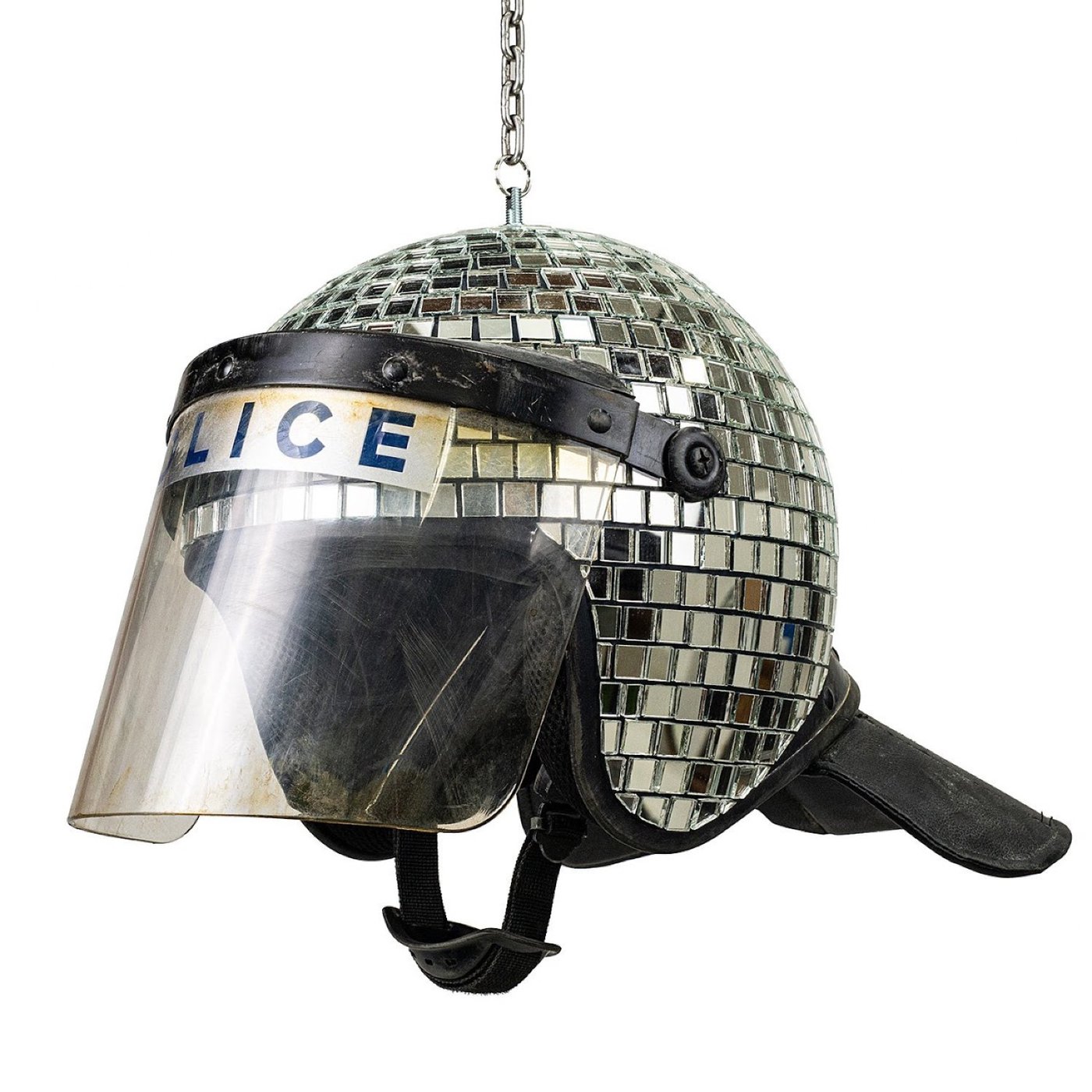
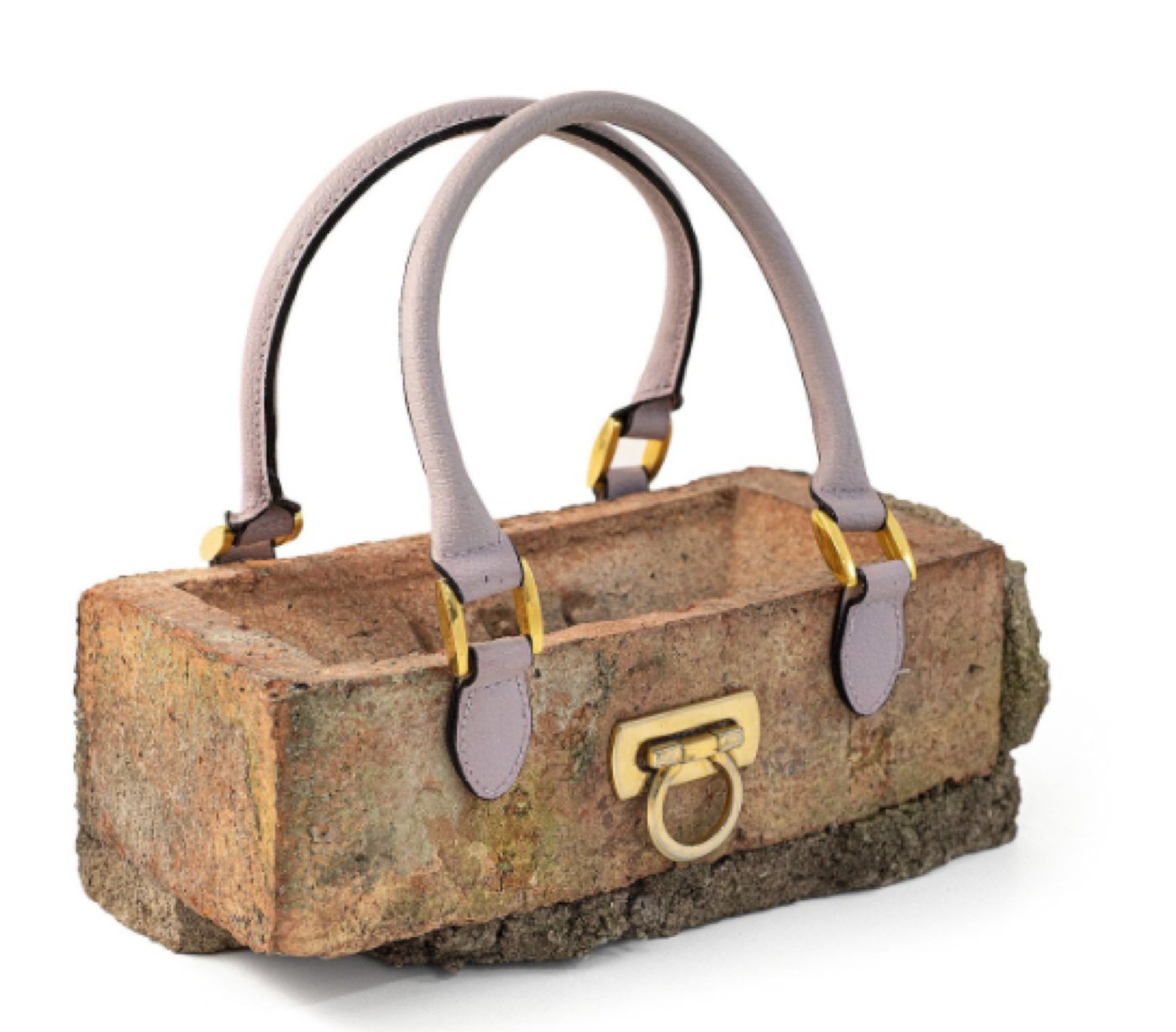
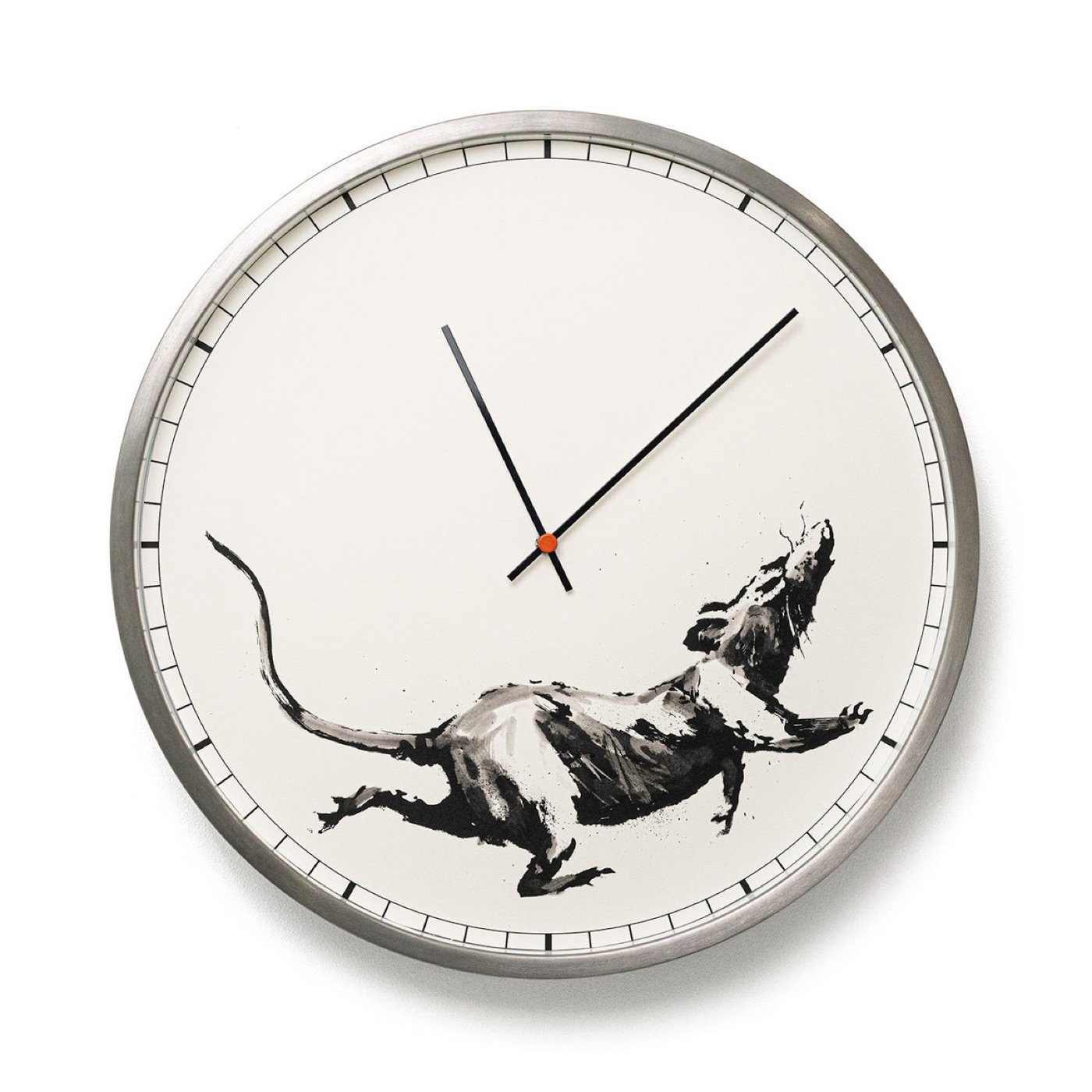
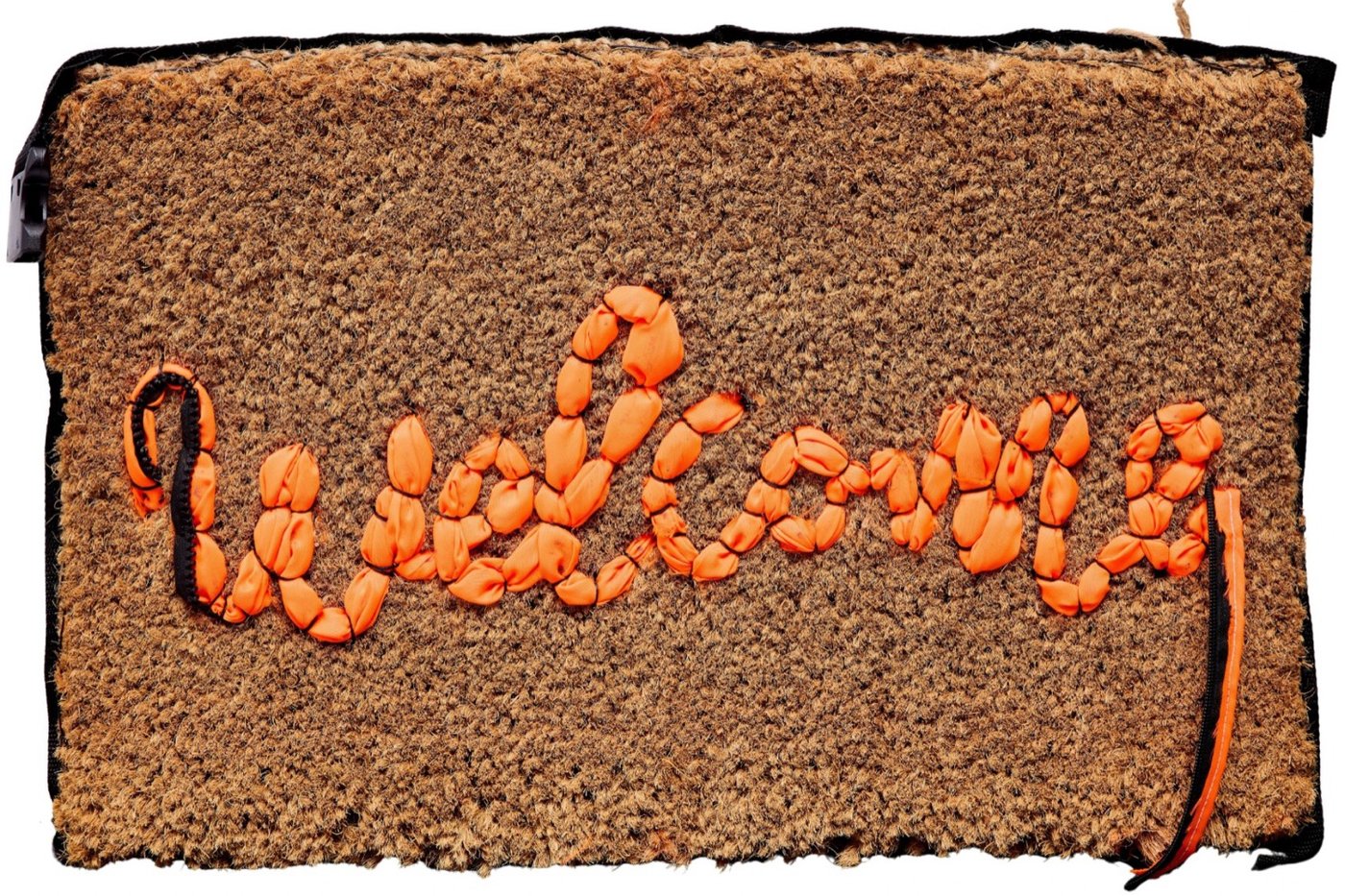
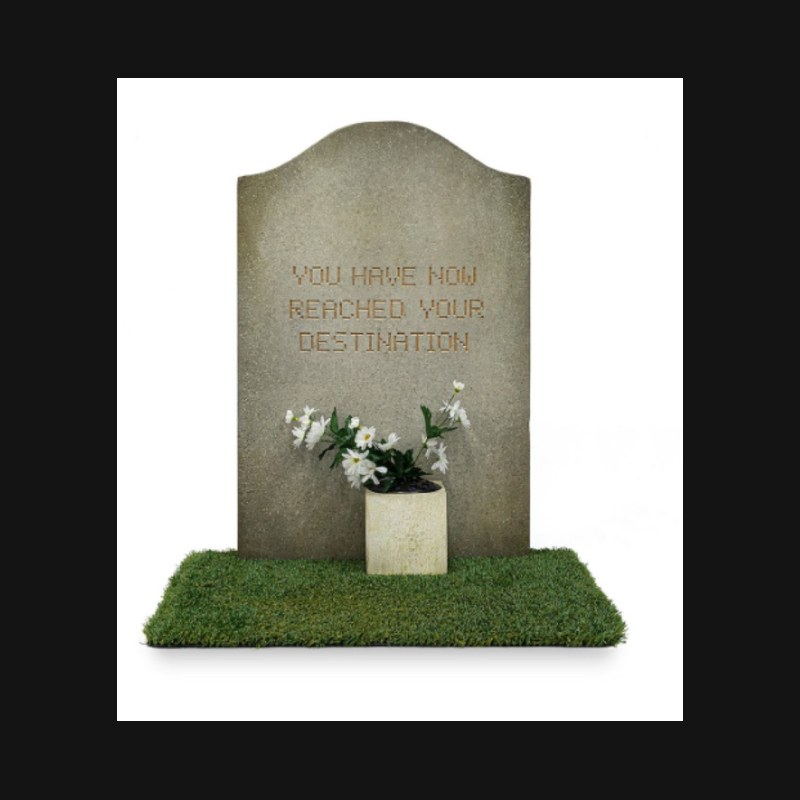
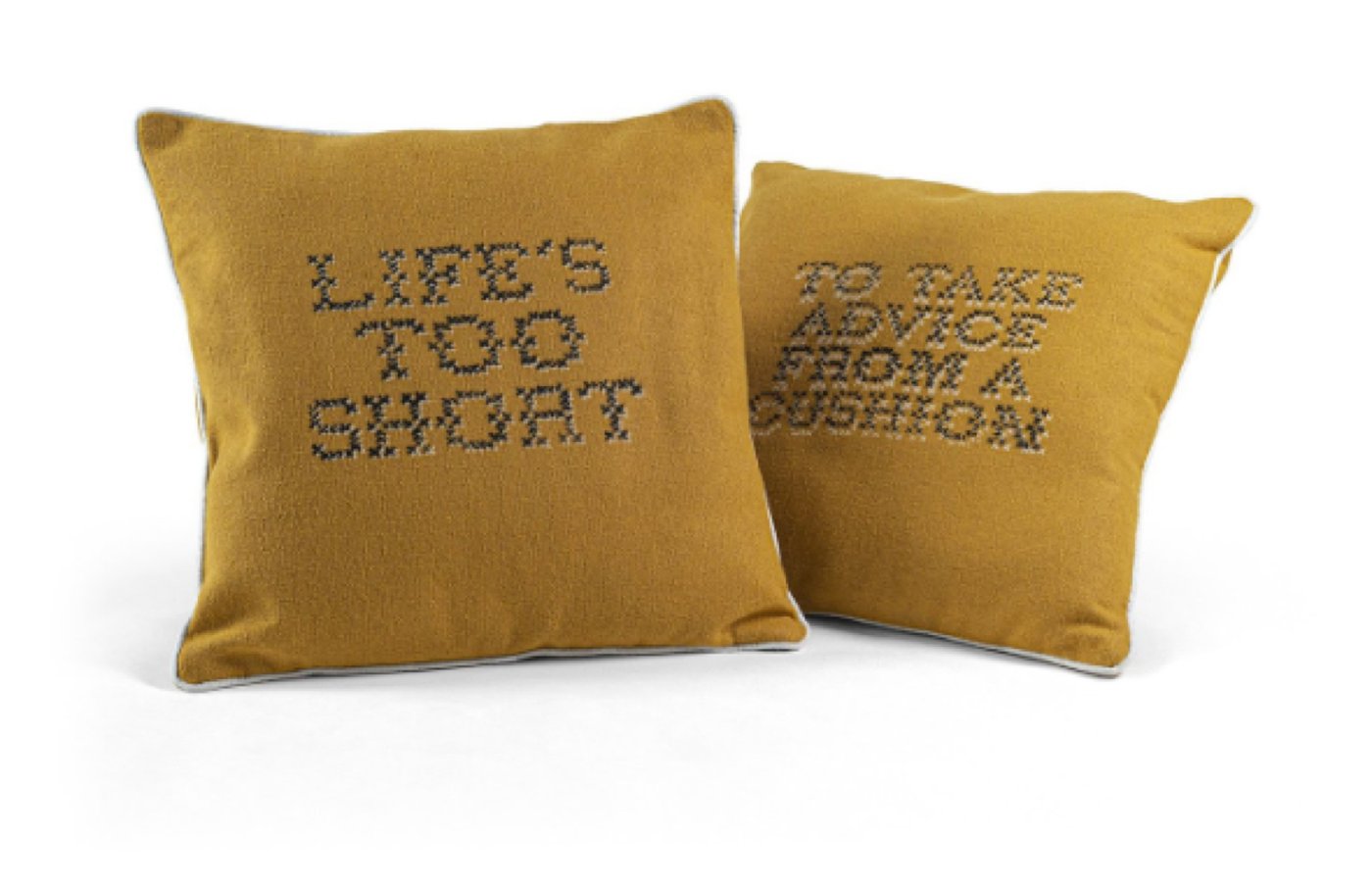
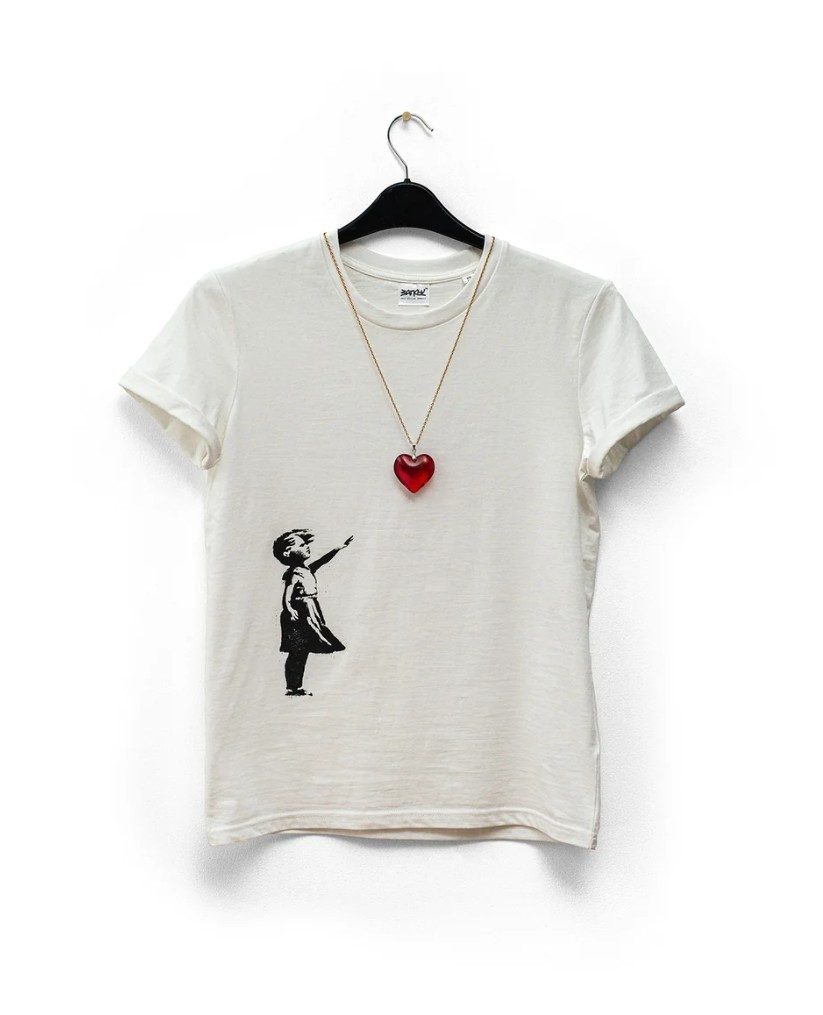
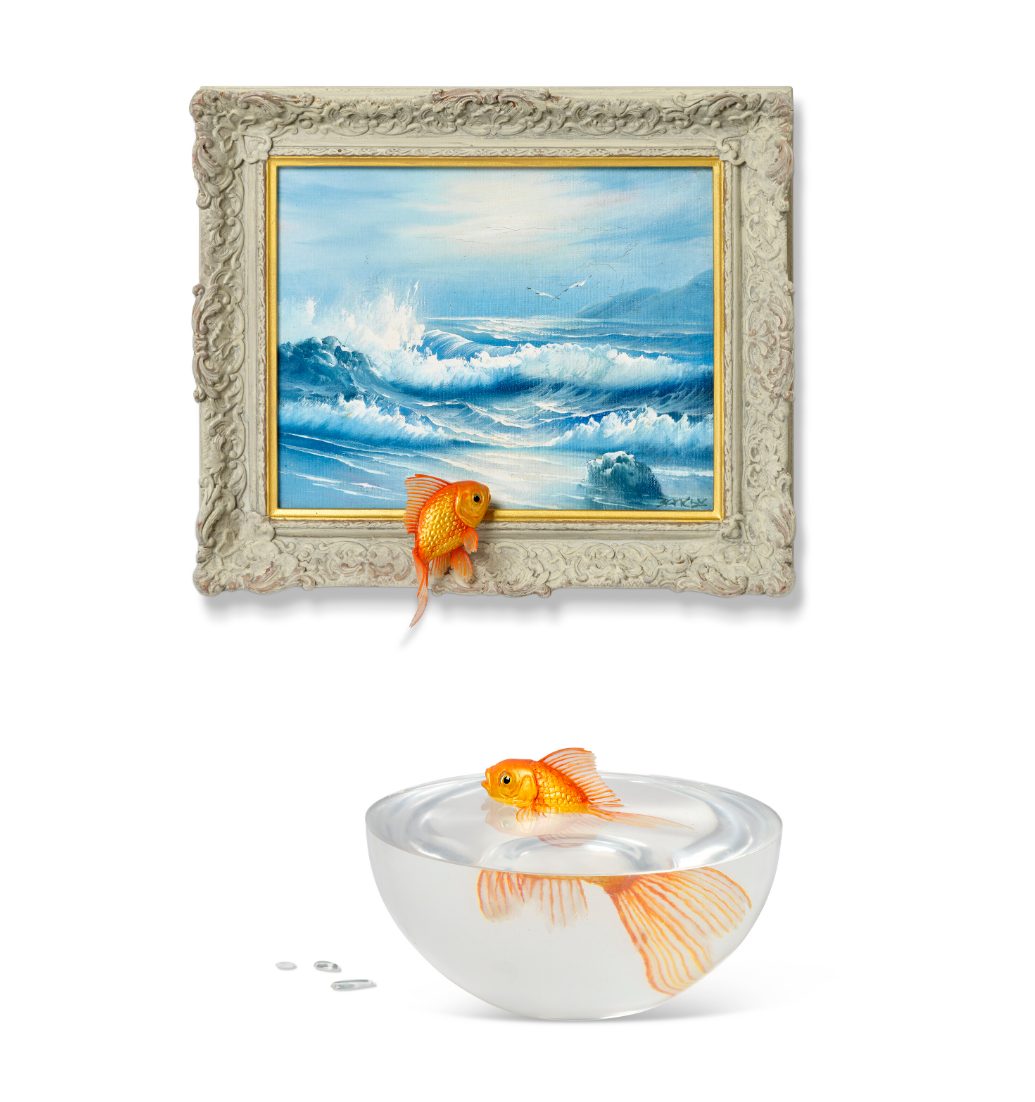
Launched in 2019, Gross Domestic Product (GDP) is arguably the most ambitious conceptual project Banksy has undertaken outside the street. Conceived in response to a trademark dispute, what initially appeared to be an online homeware shop quickly revealed itself to be something far more ingenious: a legal necessity transformed into a work of art.
Faced with the possibility of losing control over his own name, Banksy responded in the only way he could—by turning bureaucracy into satire. Rather than producing conventional merchandise, he created a collection of limited-edition objects that blurred the boundaries between sculpture, design, conceptual art and political commentary. Rugs, mugs, clocks, vests, cushions, blankets and domestic accessories became the unlikely vehicles through which Banksy continued to question consumerism, capitalism, branding and the commercialization of art itself.
The manner in which these works were distributed was as unconventional as the objects themselves. Instead of rewarding the highest bidder, prospective buyers were invited to answer a simple question: “Why does art matter?” Successful applicants were then selected by lottery, reinforcing Banksy's long-standing opposition to speculation and exclusivity while simultaneously creating one of the most sought-after contemporary editions of the past decade.
Ironically, a project conceived to challenge commercialism rapidly became one of the most collectible bodies of work in Banksy's oeuvre. Produced in strictly limited quantities and sold only once through the Gross Domestic Product website, these editions combine unquestionable authenticity, fascinating provenance and exceptional rarity. Many have appreciated dramatically in value, while remaining deeply rooted in the conceptual narrative that gave birth to them.
More than collectible design objects, the GDP editions perfectly encapsulate Banksy's enduring paradox. They ridicule branding while becoming iconic brands themselves; they criticize consumer culture while exposing the forces that sustain it; and they demonstrate, once again, that Banksy's greatest artwork is often not the object itself, but the idea that surrounds it.
15 objects — 15 documented so far.