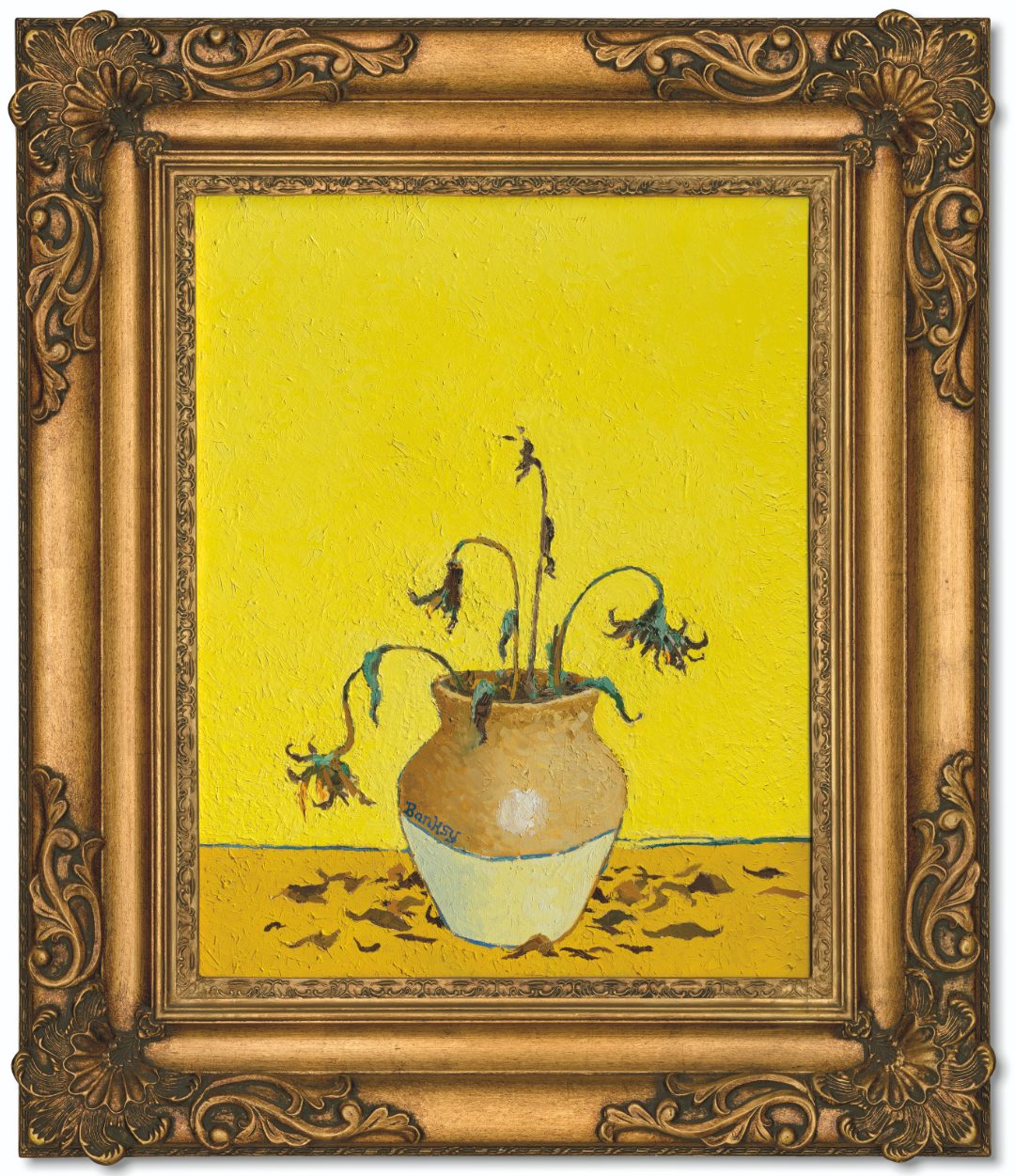
SUNFLOWERS FROM PETROL STATION, 2005
Exhibited
- Crude Oils, London, 2005
- Banksy: The Unauthorized Retrospective, S/2 London, curated by Steve Lazarides, 2014
Provenance
- Acquired directly from the artist by the present owner, 2005
Auction History
Prices are inclusive of buyer’s premium unless stated otherwise, as reported by the auction houses.
Catalogue Note
Flowers After the Apocalypse
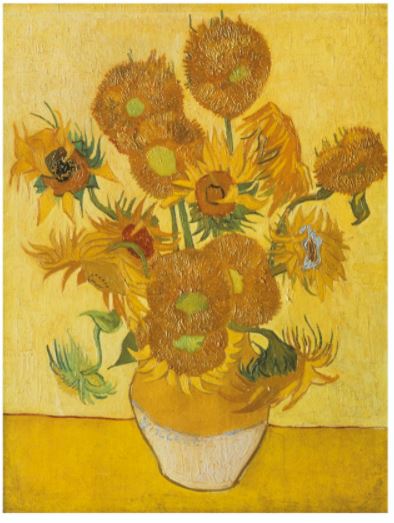
Sunflowers from Petrol Station is one of the defining paintings from Banksy's 2005 Crude Oils exhibition and among the most accomplished hand-painted oils of his career. Taking Vincent van Gogh's celebrated Sunflowers as its point of departure, Banksy transforms the Dutch artist's radiant bouquet into a vase filled with dead and withered stems. Petals have fallen across the table, the flowers droop lifelessly towards the floor, and the name painted prominently across the vase is no longer Van Gogh's, but BANKSY.
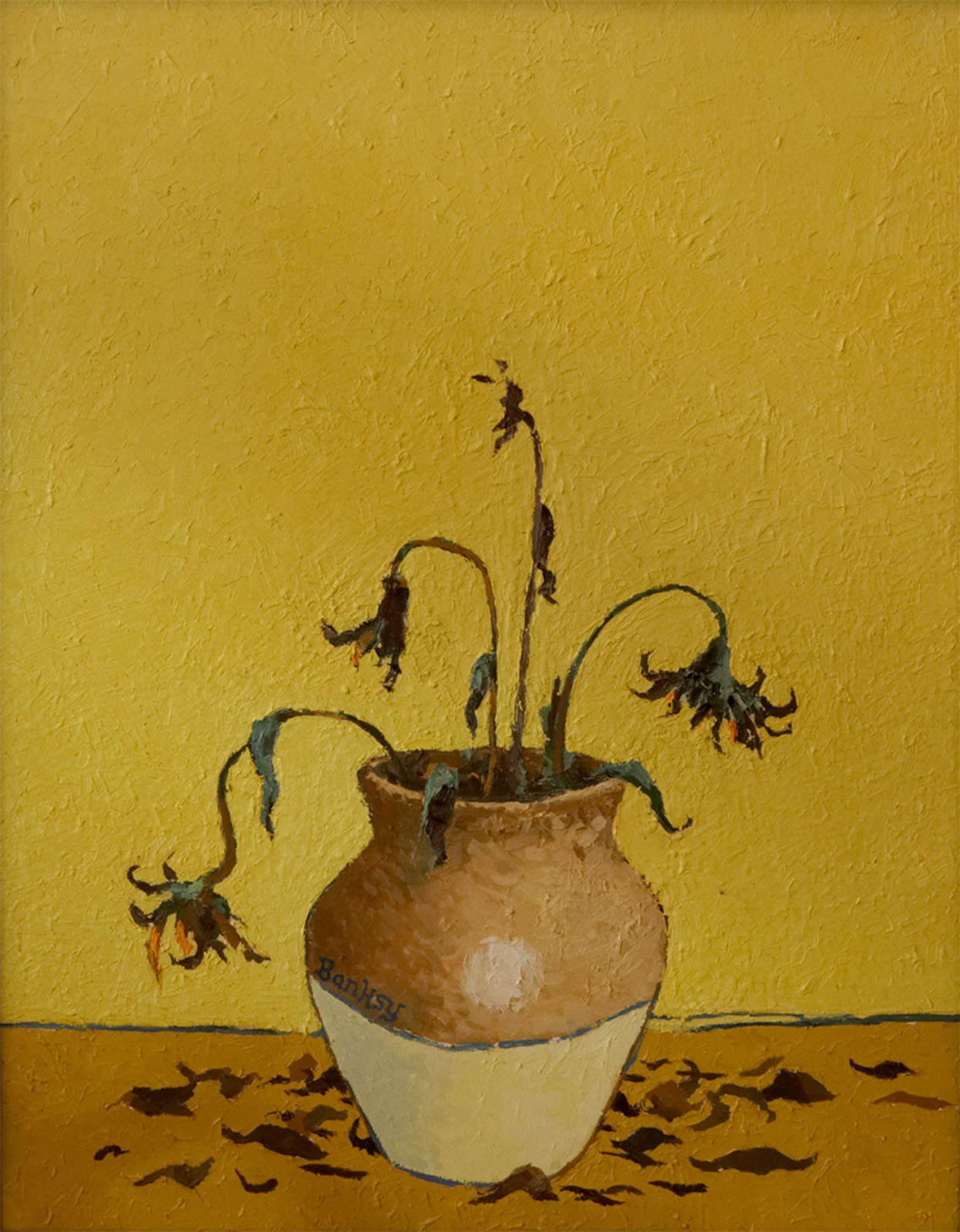
The joke begins with the title. These are not Van Gogh's sunflowers cultivated beneath the intense light of Provence, but the tired bouquets sold beside petrol pumps: flowers removed from nature, transported through a commercial distribution system and offered as another convenience product alongside fuel, snacks and newspapers.
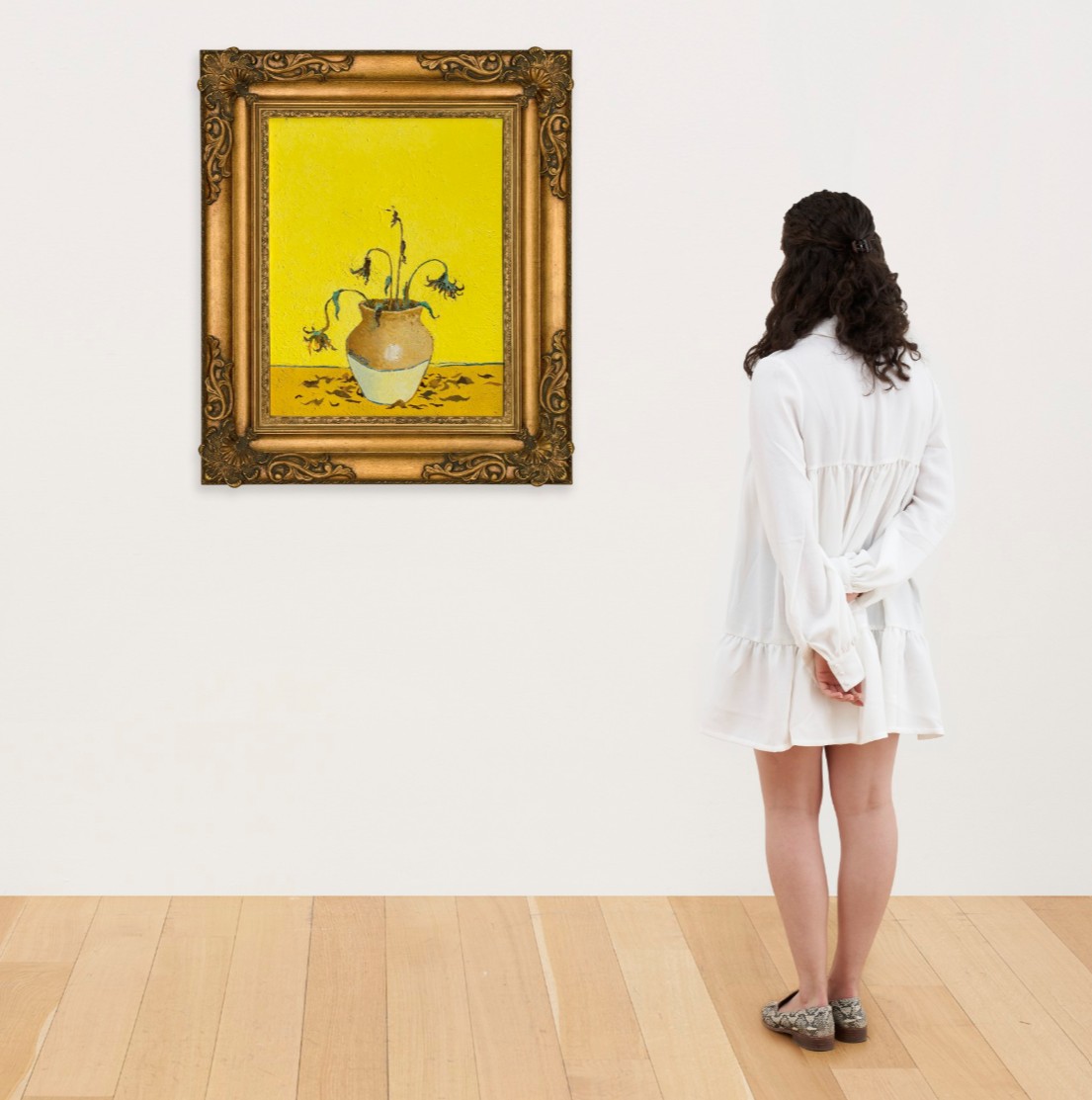
Banksy takes that familiar piece of everyday British life and pushes it towards something considerably darker. What initially looks like a comic parody gradually becomes an image of exhaustion, consumption and environmental decline.
A Modern Memento Mori
Van Gogh's original Sunflowers already contain different stages of the flower's life cycle, from fresh blooms to heads beginning to fade. Banksy takes that process to its conclusion. His flowers are not merely past their prime: they appear almost entirely dead.
In doing so, he reconnects Van Gogh's famous image with the much older tradition of the memento mori and vanitas painting, in which flowers, fruit and other beautiful objects remind the viewer that everything living eventually decays. But Banksy's flowers carry an additional contemporary implication. Their death no longer appears entirely natural.
The words Petrol Station change how we see them.
Petrol represents mobility and convenience, but also fossil fuels, industrial production and environmental damage. The title therefore connects the dead flowers to the very economic system through which they are being sold. Christie's described the work as implicating the pollution of both nature and culture at the hands of consumerism, imagining the disturbing possibility of a future in which the remnants of the natural world are themselves packaged and sold by the industries responsible for damaging it.
The contradiction is characteristically Banksy: nature has become a product available for purchase from the business helping to destroy it.
Banksy the Painter
The painting is also important because it belongs to a relatively small group of works in which Banksy's hand as a painter becomes unusually visible.
“If you want to survive as a graffiti writer when you go indoors your only option is to carry on painting over things that don’t belong to you there either.”
Rather than relying primarily on the crisp mechanical language of the stencil, Sunflowers from Petrol Station is constructed through heavily worked oil paint. The thick surface, visible brushwork and deliberately exaggerated impasto evoke the physicality associated with modern painting while simultaneously bordering on caricature.
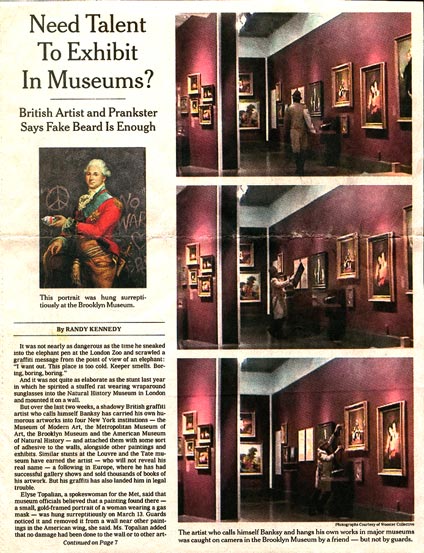
This matters within Banksy's practice. The artist whose public identity had been built upon speed, reproducibility and the anonymity of stencil graffiti was deliberately entering the territory of traditional oil painting. Crude Oils demonstrated that Banksy's engagement with art history was not simply conceptual. He was willing to reconstruct its language by hand before interfering with it.
‘Art is not like other culture because its success is not made by its audience … The Art we look at is made by only a select few. A small group create, promote, purchase, exhibit and decide the success of Art. Only a few hundred people in the world have any real say.’
The substitution of his own name for Van Gogh's on the vase makes the appropriation explicit. Banksy is not pretending that the painting is a Van Gogh. He is claiming the image, signing himself directly into one of the most recognizable compositions in Western art.
The gesture is both audacious and deliberately ridiculous: BANKSY has replaced VAN GOGH.
Crude Oils: Painting Over Art History
Sunflowers from Petrol Station was exhibited in October 2005 at Crude Oils: A Gallery of Re-mixed Masterpieces, Vandalism and Vermin, Banksy's landmark twelve-day exhibition at 100 Westbourne Grove in Notting Hill. It appeared alongside Show Me the Monet and Banksy's reworkings of images associated with Edward Hopper, Jack Vettriano and Andy Warhol, as well as conventional paintings acquired second-hand and subsequently altered by the artist.
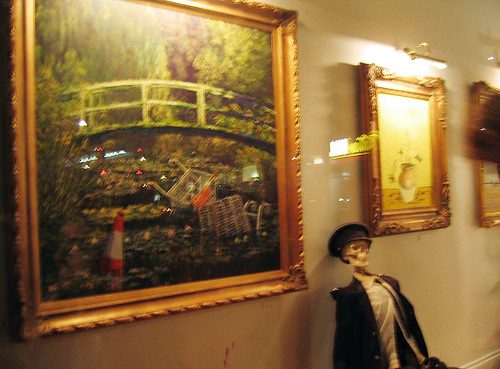
The exhibition extended into painting the strategy Banksy had developed on the street. An existing visual environment was something to be interrupted, altered and given a different meaning. The difference was that the surface was now not a brick wall or road sign, but the history of Western painting itself.
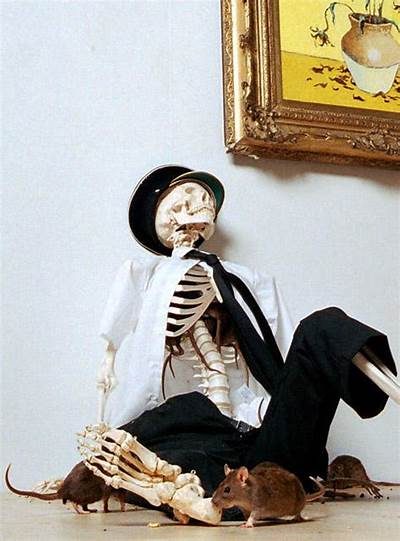
Banksy had already tested the institutional implications of this approach through his unauthorized museum interventions, secretly placing his own works inside Tate Britain, the Louvre, the British Museum, the Museum of Modern Art and other institutions. Crude Oils brought that challenge into a gallery of his own making. Instead of smuggling his work into the canon, Banksy began reconstructing the canon and painting himself directly into it.
Sunflowers from Petrol Station exemplifies that approach particularly well. Banksy does not destroy Van Gogh's composition. As with Show Me the Monet, the parody depends upon our recognition and affection for the original. The inherited masterpiece must remain visible for the intervention to work.
The vandalism is therefore also an act of homage.
Art, Nature and Big Business
Banksy's own comments surrounding the Crude Oils project provide an unusually direct framework for understanding these paintings. He argued that the landscapes represented in traditional painting no longer correspond to the world in which we live, while contrasting society's condemnation of graffiti with its tolerance of far greater environmental damage caused by powerful commercial interests.
“The vandalized paintings reflect life as it is now. We don’t live in a world like Constable’s Hay Wain anymore … The real damage done to our environment is not done by graffiti writers and drunken teenagers, but by big business… exactly the people who put gold-framed pictures of landscapes on their walls and try to tell the rest of us how to behave.”
Sunflowers from Petrol Station compresses that argument into a single still life. The flowers belong to nature. The petrol station belongs to industry. The painting belongs to art history. And Banksy brings all three into collision.
There is also a subtle equivalence between the commodification of nature and the commodification of art. Flowers become products; paintings become products. Van Gogh's sunflowers have been endlessly reproduced on posters, postcards, mugs and other merchandise, while the paintings themselves have become among the most culturally and financially valuable objects in Western art.
Banksy's wilted bouquet therefore asks what remains when something living—or something culturally radical—is transformed into a commodity.
Van Gogh, Banksy and the Auction Room
The relationship between Van Gogh's Sunflowers and the art market gives the painting an extraordinary additional dimension.
In March 1987, one of Van Gogh's Sunflowers sold at Christie's London for £24.75 million, approximately $39.9 million, then the highest price ever paid for a work of art at auction. The event became an emblem of the extraordinary expansion of the international art market during the 1980s.
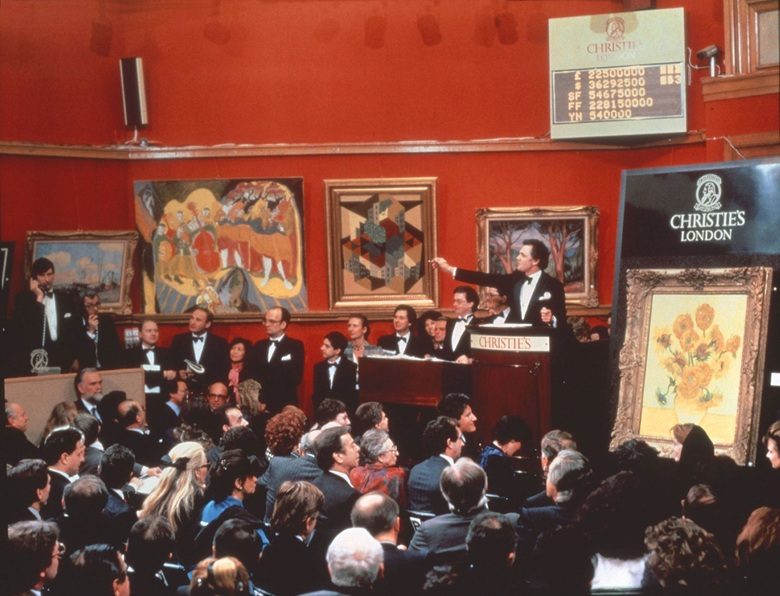
Banksy would return directly to imagery associated with that sale in Morons, his celebrated satire of the auction market. In that work, bidders gather beneath Van Gogh's Sunflowers while the painting being auctioned contains the message mocking those prepared to spend enormous sums on art.
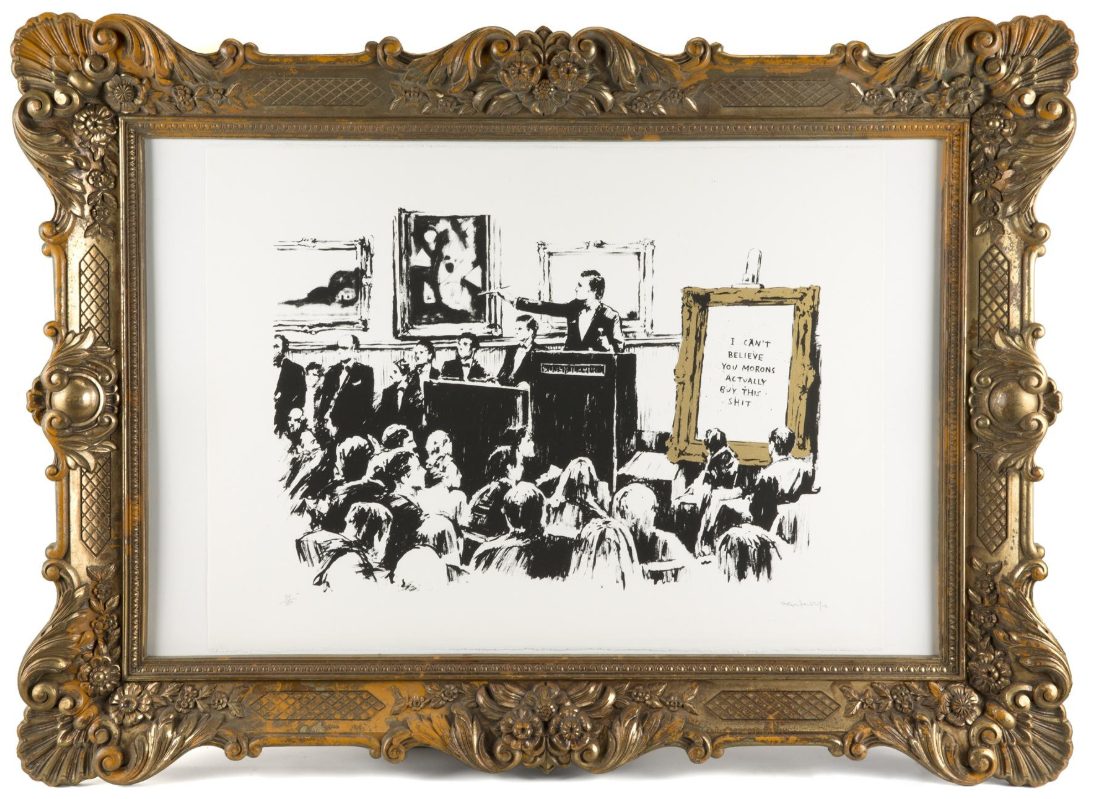
The connection makes Sunflowers from Petrol Station particularly revealing. Van Gogh—who experienced poverty and sold very little during his lifetime—had become one of the ultimate symbols of art as financial asset. Banksy, an artist who built his reputation through illegally produced street works, was beginning a transformation that would eventually produce a similar contradiction.
And the story would come full circle at Christie's.
The Paul Smith Collection
The provenance of Sunflowers from Petrol Station is exceptional. The work was acquired directly from Banksy in 2005 by the British fashion designer Sir Paul Smith, who encountered Crude Oils close to his Westbourne Grove shop.

Smith later recalled being drawn to Banksy's ability to communicate ideas with unusual confidence and clarity and to the immediacy of his observations about contemporary life. The painting remained in Smith's collection for approximately sixteen years, making its appearance at Christie's in 2021 its first entry onto the open market.
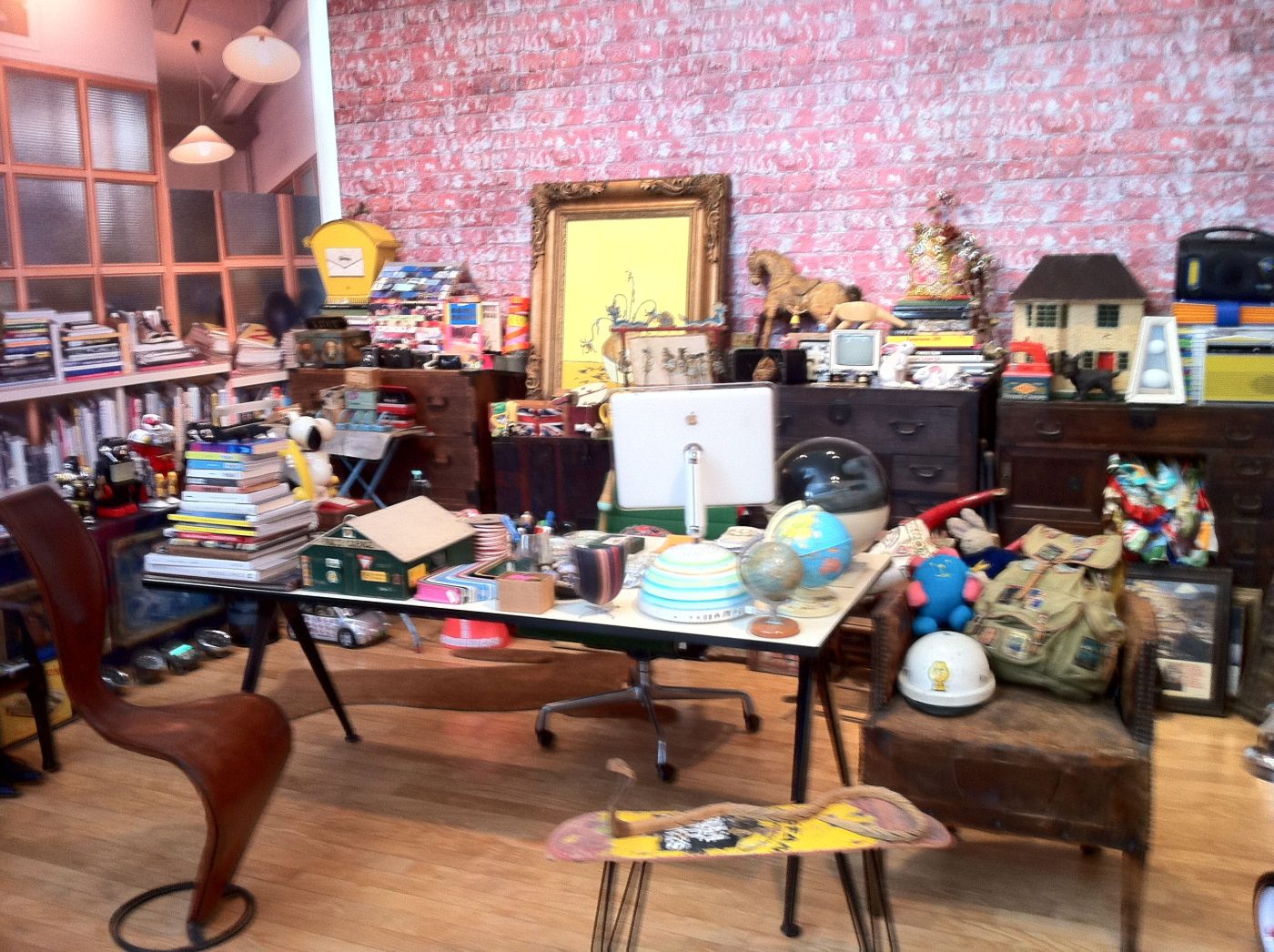
Its long residence in the collection of one of Britain's most important designers also feels particularly appropriate. Smith's own career had consistently blurred distinctions between art, design, fashion and everyday visual culture—the same boundaries that Banksy was attacking from a very different direction.
From Petrol Station to $14.6 Million
On 9 November 2021, Sunflowers from Petrol Station was offered in Christie's 21st Century Evening Sale in New York with an estimate of $12–18 million. It sold for $14,558,000, placing it among the most valuable Banksy paintings ever sold at auction.
The location of the sale provided a remarkable conclusion to the painting's story. Christie's had sold Van Gogh's Sunflowers for a world-record price in 1987. Thirty-four years later, the same auction house sold Banksy's painting of those flowers—now dead, commodified and supposedly purchased from a petrol station—for almost $15 million.
The irony is difficult to improve upon.
Banksy had taken an image associated with beauty, artistic genius and extraordinary financial value; killed the flowers; attached them to fossil fuels and consumer culture; replaced Van Gogh's name with his own—and produced another extraordinarily valuable painting.
Yet beneath the humour lies the darker proposition that gives Sunflowers from Petrol Station its lasting force. Van Gogh painted flowers at different moments in their brief existence. Banksy imagines what those flowers might look like after passing through the world we have created.
STAY INFORMED
Receive the latest news, exhibitions, artworks and market updates on Banksy.