Custardized Oil #3, 2006
Barely Legal, Los Angeles, 2006
Catalogue Note
With Custardized Oil #3, Banksy proves that sometimes the smallest intervention can produce the greatest irreverence. Rather than radically altering an eighteenth-century gentleman’s portrait, the artist simply splatters a custard pie across the sitter’s face. The gesture is childish, almost absurdly simple, yet it completely transforms the image. A portrait originally intended to project dignity, wealth and social authority is reduced to the visual equivalent of slapstick comedy.
The custard pie occupies a peculiar place in British popular culture. Long associated with silent cinema, political satire and public humiliation, it has become a symbol of puncturing pomposity. Figures of authority—from politicians to businessmen and celebrities—have frequently been “custard-pied” as an act of peaceful protest, replacing violence with ridicule. Banksy appropriates this tradition, suggesting that laughter may be one of the most effective ways of dismantling power.
Like many works from the Crude Oils series, the piece also explores the fragile nature of cultural authority. The original portrait carries all the familiar visual codes of aristocratic portraiture: refined clothing, composed posture and the quiet confidence of inherited privilege. Banksy’s intervention is almost laughably minor, yet it completely changes how the image is read. The nobleman no longer commands admiration but sympathy—or perhaps amusement. Reputation, Banksy reminds us, is often built upon surprisingly delicate foundations.
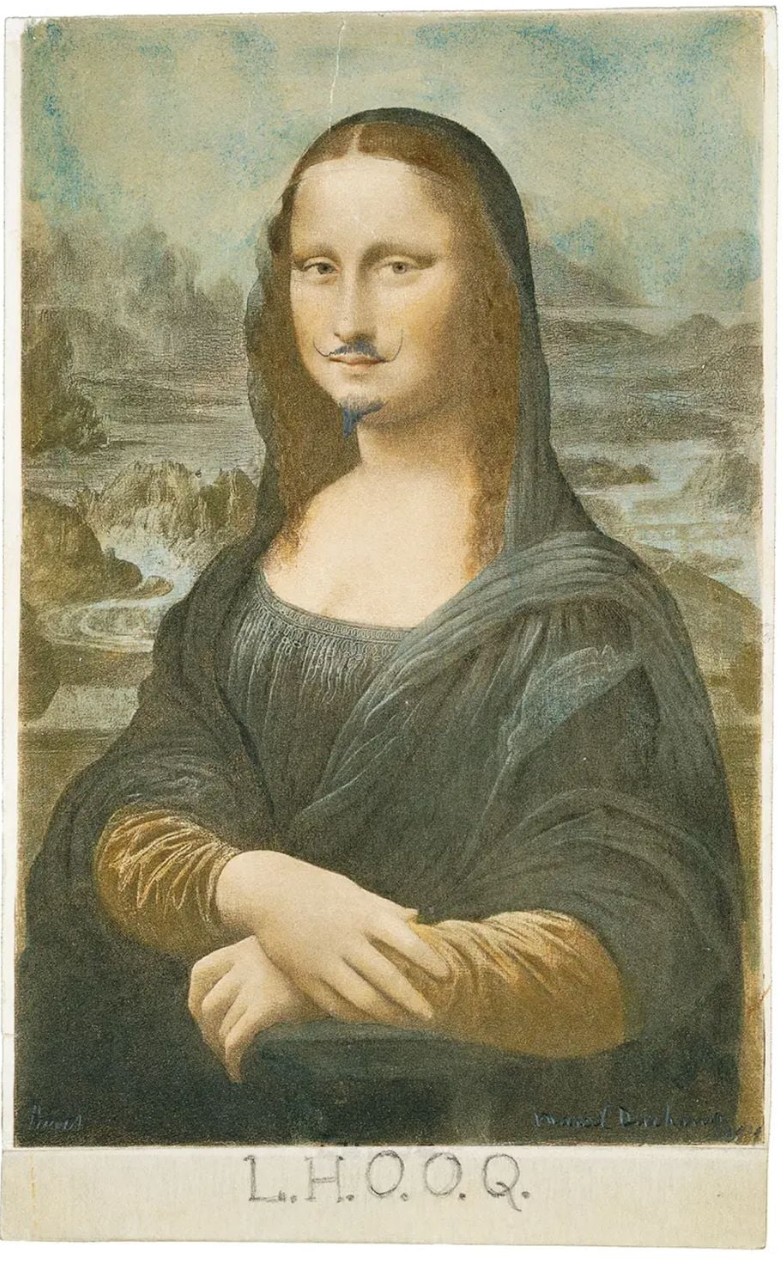
The work also pays homage to one of the great traditions of twentieth-century art. Marcel Duchamp demonstrated with L.H.O.O.Q. that a few pencil strokes could permanently alter the meaning of Leonardo’s Mona Lisa. Banksy arrives at a similar destination through popular rather than intellectual culture. Where Duchamp drew a moustache, Banksy throws a custard pie. Both artists expose how easily artistic reverence can be dismantled through a single irreverent gesture.
Created for Barely Legal in Los Angeles in 2006, Custardized Oil #3 belongs to the remarkable group of modified paintings through which Banksy brought the visual language of graffiti into direct conversation with the history of Western art. Throughout the series, pastoral landscapes become sites of war, Renaissance Madonnas embrace modern anxieties, and respectable portraits are subjected to acts of gleeful vandalism. Rather than destroying the past, Banksy invites us to look at it differently, revealing that masterpieces are not untouchable relics but living images capable of absorbing new meanings.
Ultimately, the work encapsulates one of Banksy’s greatest strengths: his ability to employ humor as a philosophical tool. The custard pie is funny, but it is also profoundly democratic. It treats aristocrats, politicians and masterpieces alike with equal irreverence, reminding us that no institution, no matter how venerable, should ever be immune from laughter. In Banksy’s hands, ridicule becomes a form of iconoclasm—one that replaces destruction with wit and leaves the viewer smiling long after the joke has landed.