CUT & RUN, JUNE-AUGUST 2023
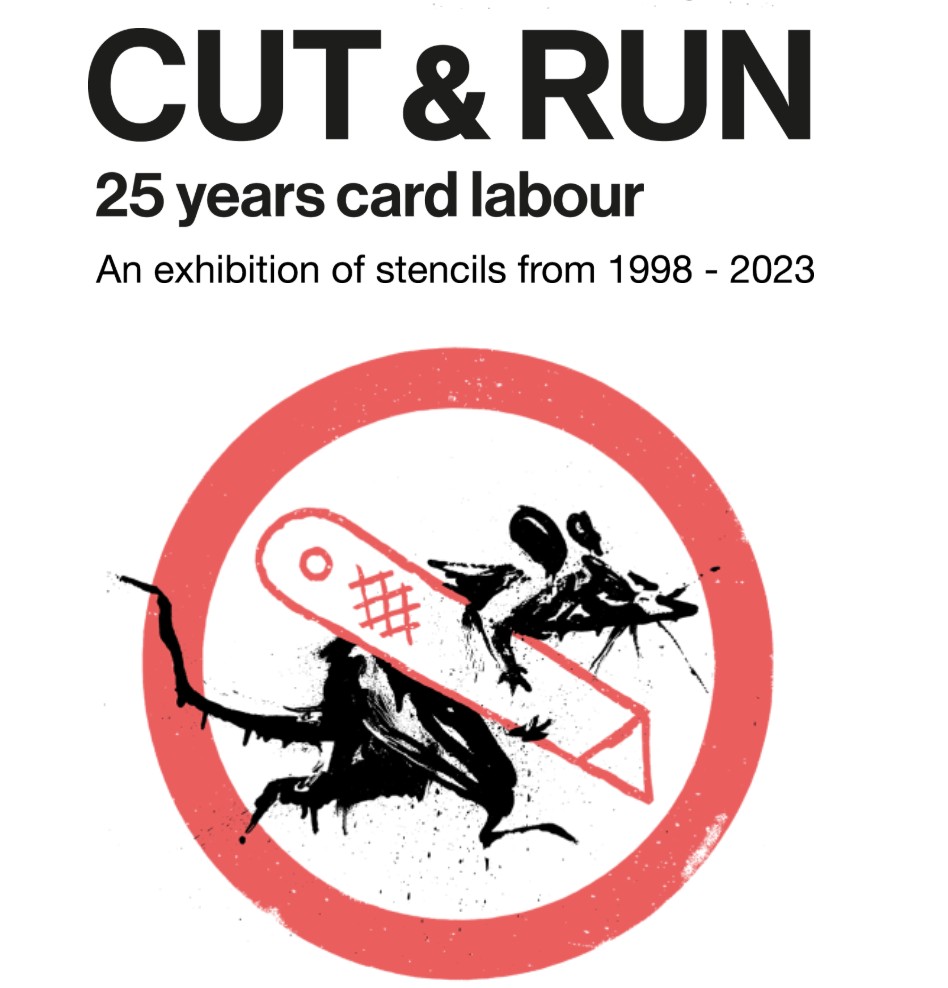
Banksy: Cut & Run A Landmark Exhibition at Glasgow’s Gallery of Modern Art
In the summer of 2023, Glasgow became the epicenter of the contemporary art world, hosting a rare and electrifying event: Banksy’s Cut & Run: 25 Years Card Labour. Presented at the Gallery of Modern Art (GoMA), this was Banksy’s first authorized solo show in over fourteen years. A perfect marriage of mischief and masterful execution, this retrospective exhibition offered the public an unprecedented glimpse into the elusive artist’s creative process, legacy, and signature wit. It reminded everyone why Banksy remains one of the most influential, and often controversial, figures in contemporary art today.
The Exhibition: Behind the Curtain
Spanning from 1998 to 2023, Cut & Run gathered an astonishing collection of original stencils, sketches, and installations, many of which had never been seen before. The show unveiled the painstaking methods behind the spontaneous-looking graffiti: hand-cut stencils, meticulously planned designs, and politically charged visual jokes. Entire environments were recreated, from Banksy’s childhood bedroom to the infamous shredding mechanism used in Love Is In The Bin — the artwork that self-destructed during a Sotheby’s auction.
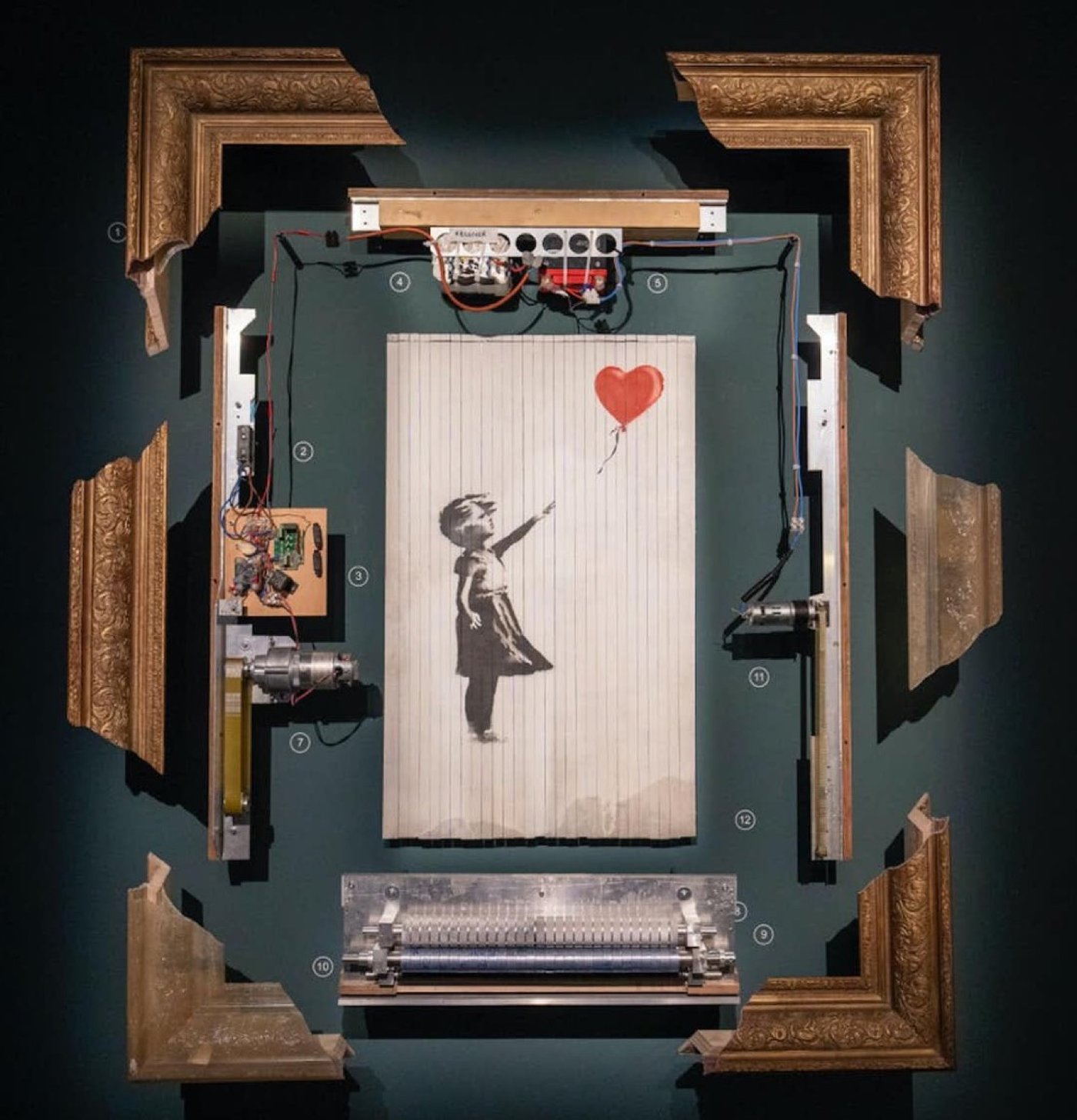
Among the standout exhibits were the prototype of Stormzy’s Union Jack stab vest (first seen at Glastonbury 2019) and a revamped version of the iconic Kissing Coppers. Girl With Balloon (or rather its mechanical innards) made a mechanical, mischievous cameo.
Messages and Meanings: A Language of Irony
The title Cut & Run encapsulates Banksy’s entire ethos: a master cutter (of stencils and of pretension) and a specialist at running from both the law and the spotlight. Of course, all his enduring themes, such as anti-authoritarianism, commodification of culture, political absurdity, and everyday heroism, were omnipresent.
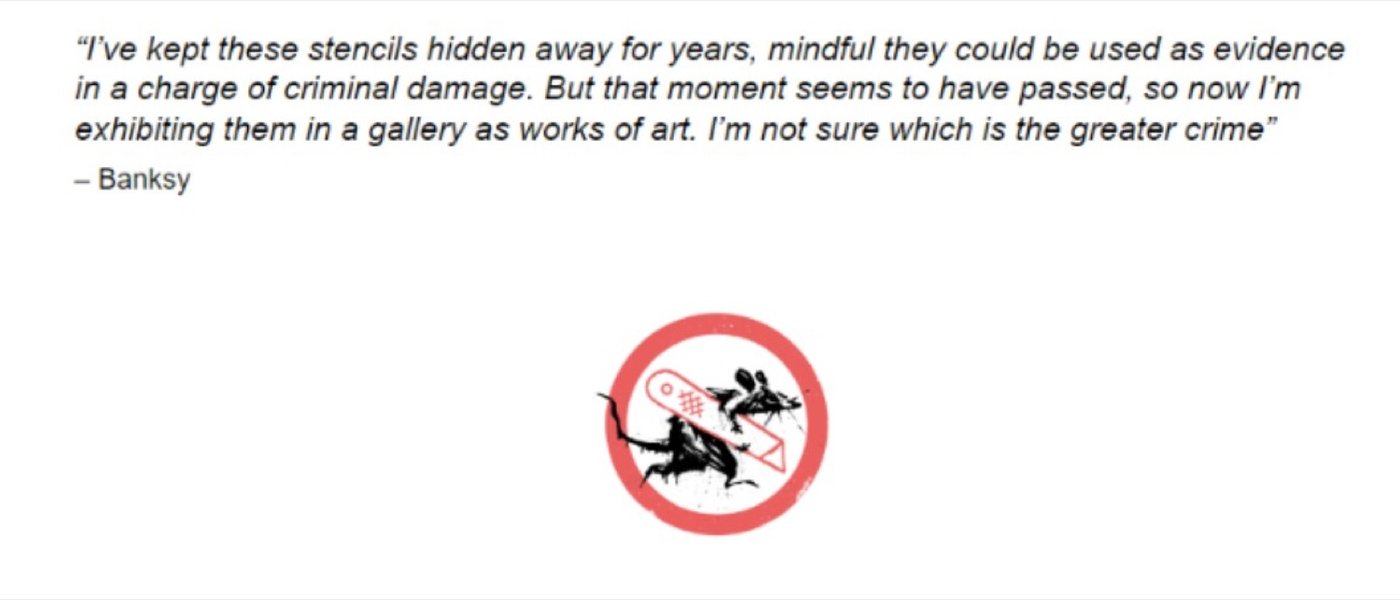
Yet this time, the joke was doubled. By displaying his tools of the trade, once hidden to avoid legal repercussions, Banksy wittily transformed potential evidence into museum artifacts. It was confession-as-exhibition, with a wink.
Techniques: Precision Behind Rebellion
Cut & Run dismantled the myth that Banksy’s work was spontaneous or merely opportunistic. Instead, it celebrated his meticulous craftsmanship. The artist’s stenciling technique, long maligned as simplistic, was here revealed as deliberate and complex, echoing Renaissance cartooning and even early photographic techniques.
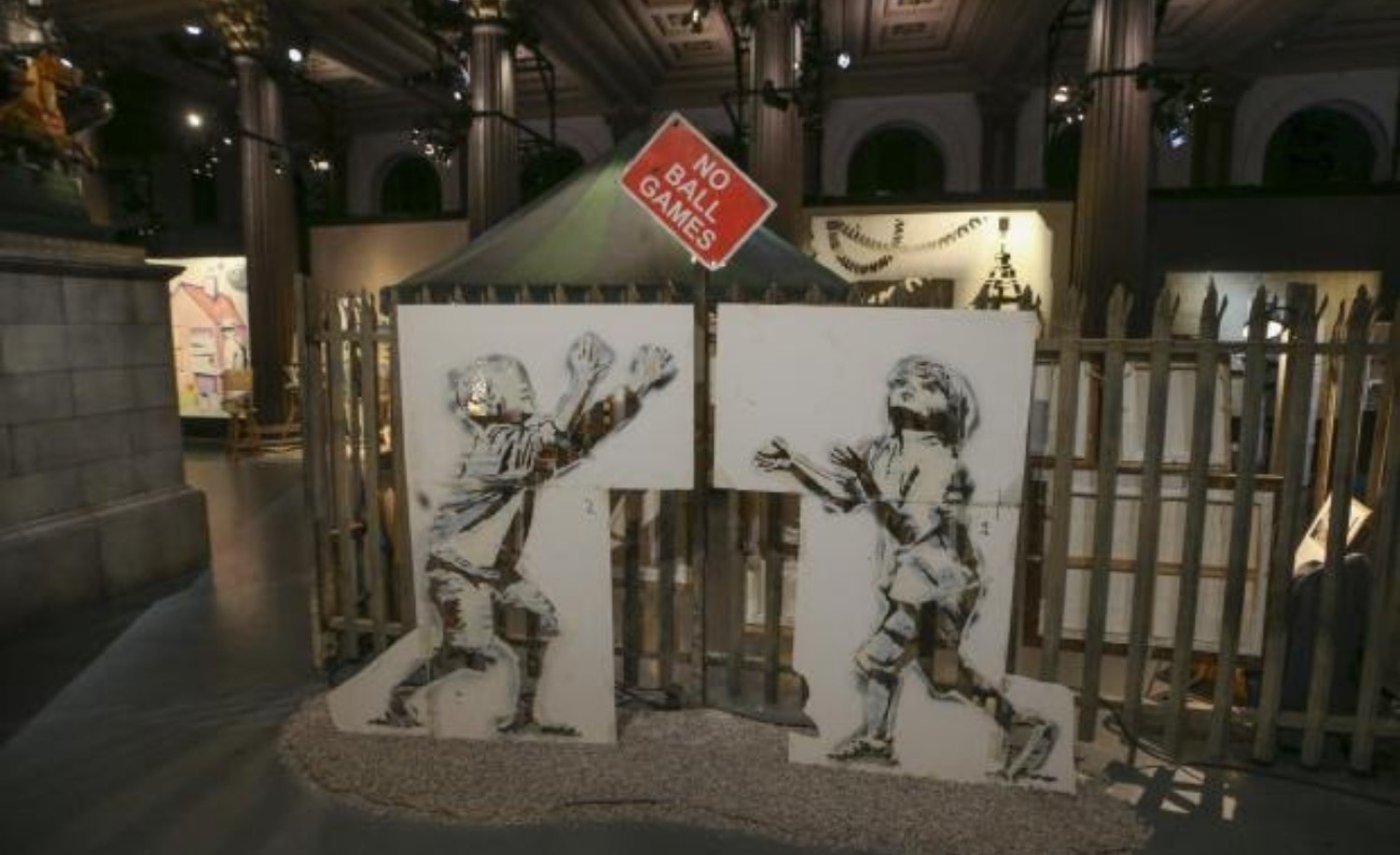
Wood, cardboard, acetate, metal: those humble materials became the foundation for artworks that would challenge governments, billionaires, and the art world itself. Banksy’s ‘shortcuts’ were in fact long-cuts, executed with monastic patience and punk spirit.
Art Historical References: A Subversive Dialogue
Banksy’s engagement with art history was made gloriously explicit. Cut & Run offered knowing nods to the political outrage of Picasso, the playful defiance of Duchamp, and the dark humanism of Goya and Hogarth.
Gallery of Modern Art – Glasgow Life
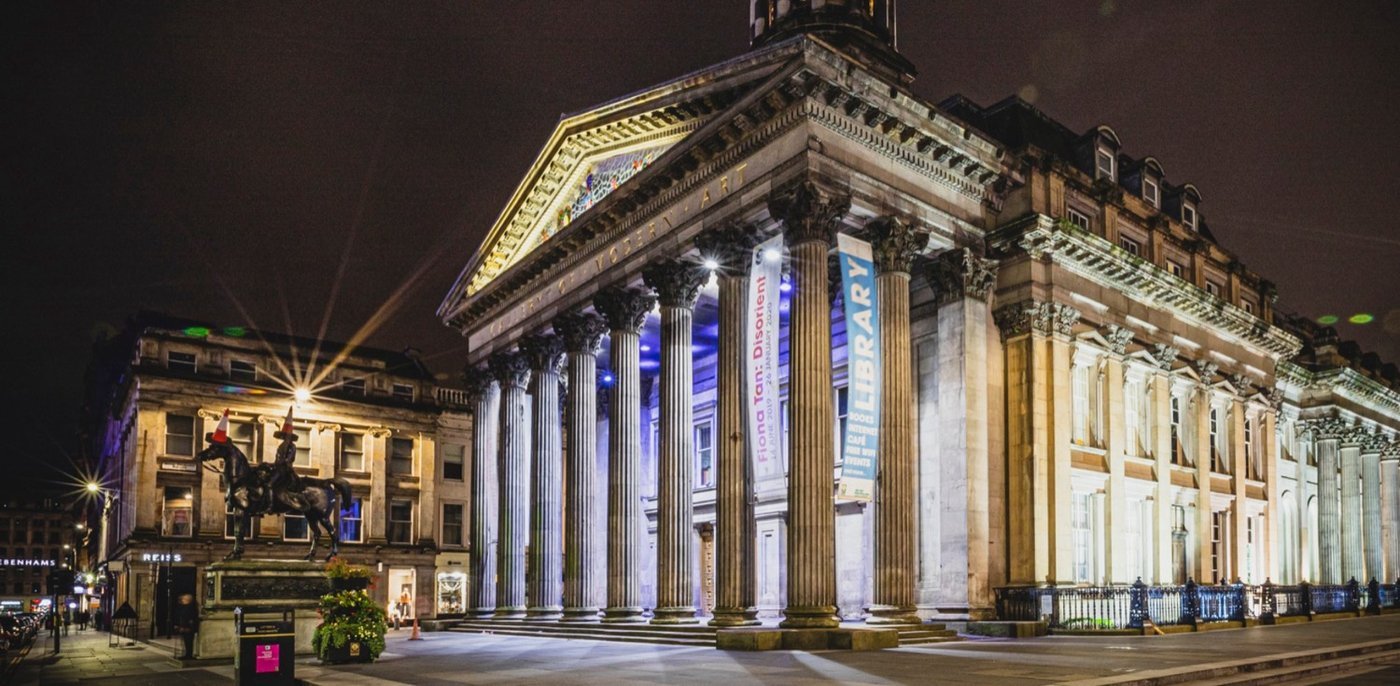
Choosing Glasgow’s GoMA was no accident either: the Duke of Wellington’s cone-hatted statue outside, a perennial symbol of Glasgow’s irreverence, was a perfect Banksian mascot. In true Glaswegian fashion, the city and the artist met in a marriage of mockery and meaning.
Public Reception: A Smash Hit
Cut & Run proved to be a record-breaking triumph. Over its ten-week run, it attracted more than 180,000 visitors, breaking GoMA’s all-time attendance records and contributing to a 47.3% surge in Glasgow’s overnight tourism.
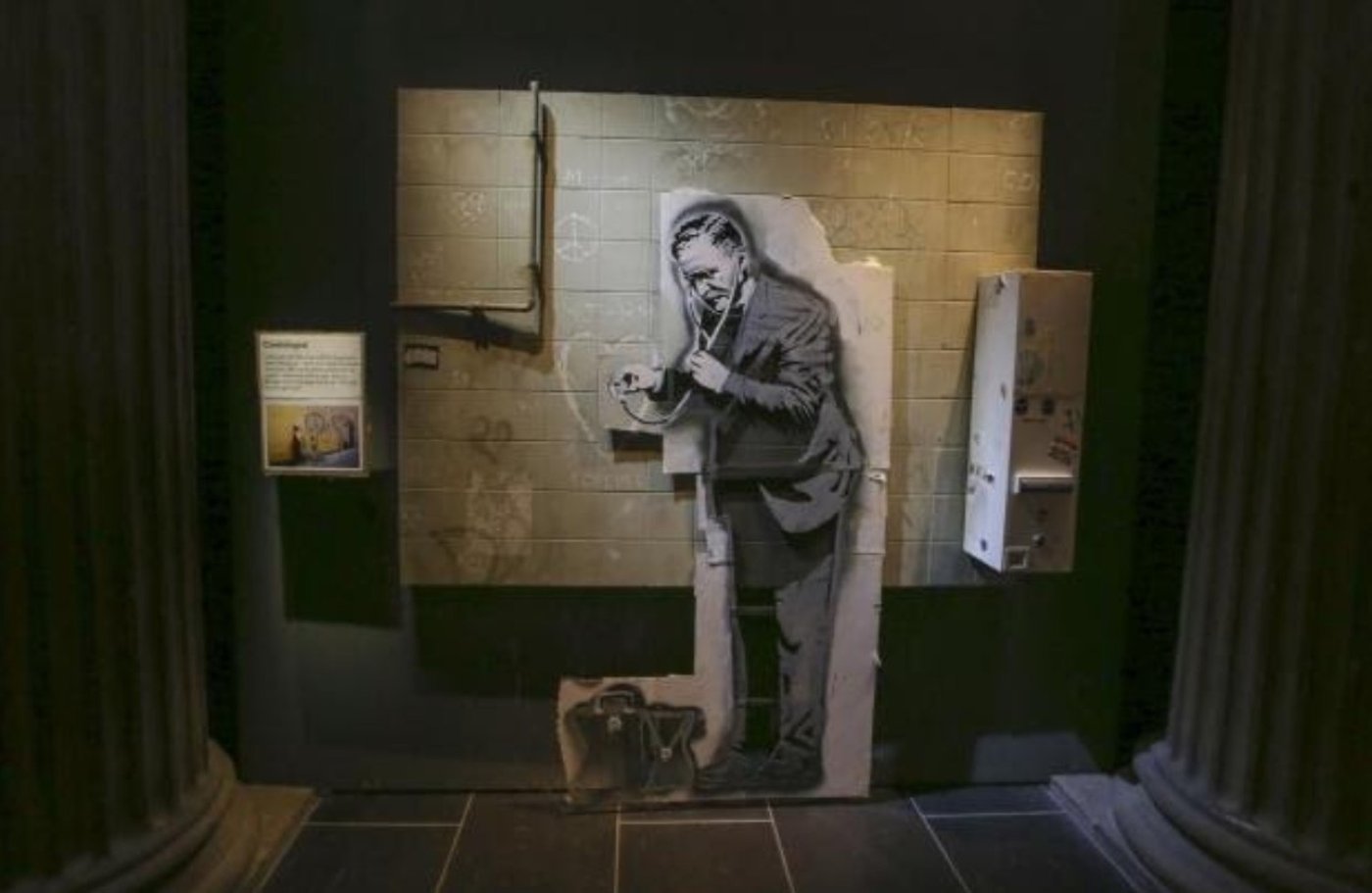
Demand was so fierce that the museum extended its hours, sometimes staying open all night. Critics, too, were overwhelmingly positive, praising the show’s balance of intimacy, humor, and critical bite. Rarely does an artist manage to be both a global phenomenon and a true cultural commentator… Banksy, it seems, still walks that tightrope with ease.
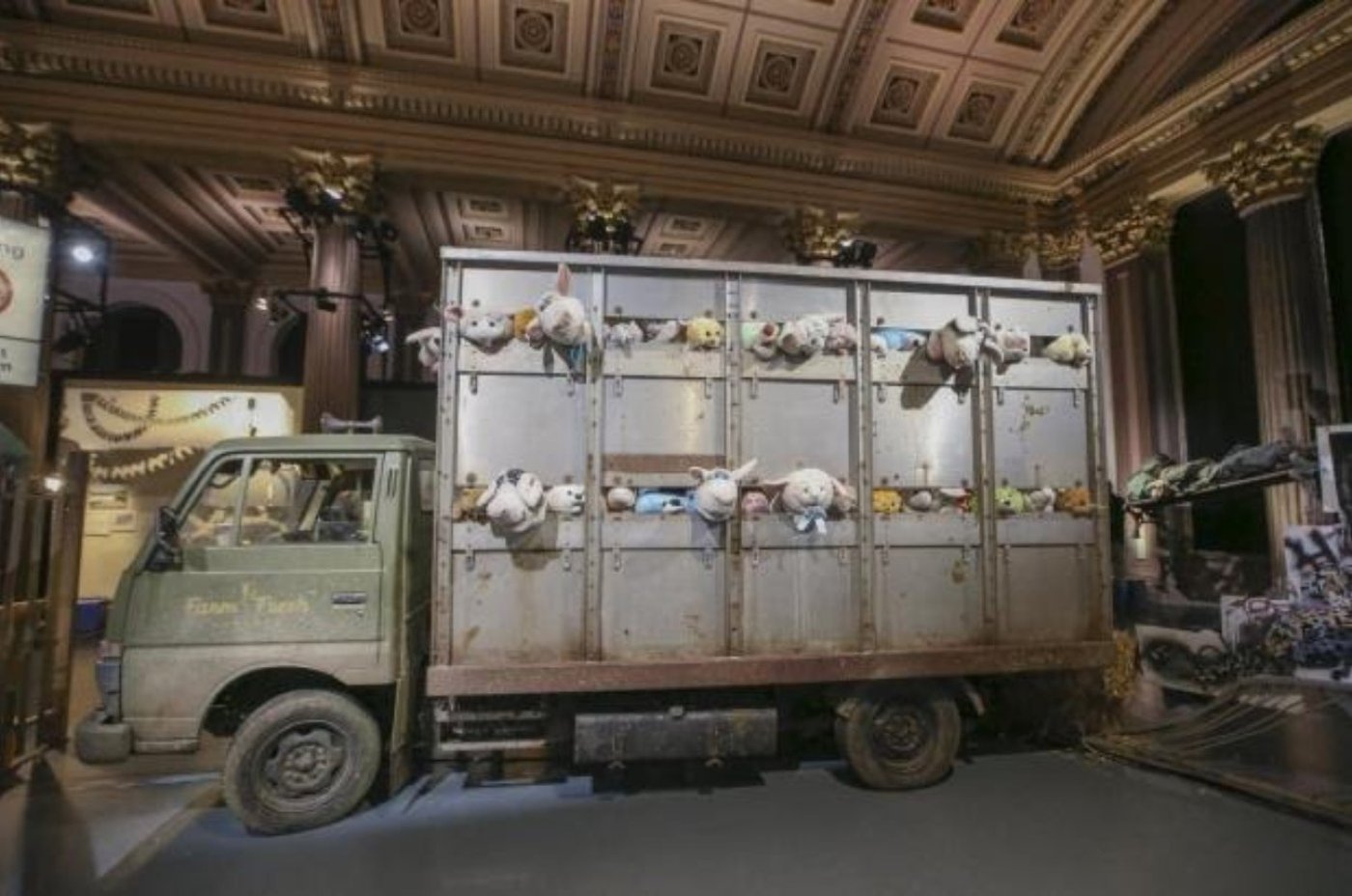
Legacy: A Blueprint for the Future
Following Cut & Run’s Glasgow success, Banksy announced that the exhibition would tour internationally, inviting fans to suggest future locations. It signals a new chapter: the street artist who once relied on ephemerality is now actively curating his legacy.

And yet, true to his nature, Banksy leaves the narrative open-ended. Has he sold out or merely evolved? Is the museum a betrayal or an expansion of the street? As ever with Banksy, the answer seems to be: both?
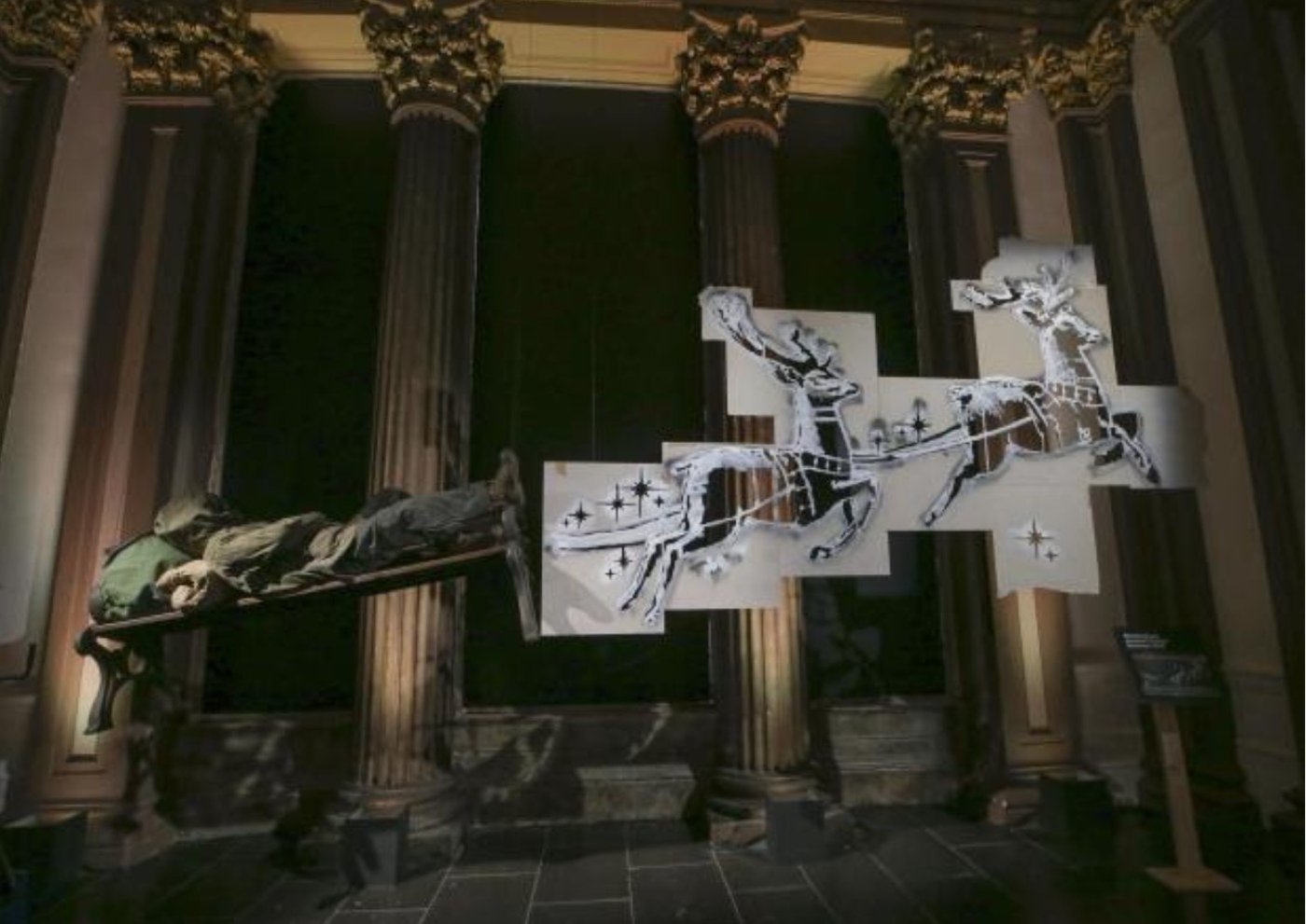
In Cut & Run, Banksy laid bare the meticulous heart beating beneath the chaos, only to remind us that the real art is still out there, somewhere, dodging the spotlight and cutting through the noise.
STAY INFORMED
Receive the latest news, exhibitions, artworks and market updates on Banksy.